Latin America. In an environment where e-commerce has become part of daily life, ensuring that this digital experience is within everyone's reach becomes a pressing requirement.
According to the Study on Online Sales 2024 by the Mexican Association of Online Sales (AMVO), in Mexico, four out of ten users make online purchases weekly. However, the growth of this modality has not been balanced: millions of people continue to face difficulties in accessing e-commerce.
Research conducted by Sumsub, a digital identification platform, indicates that 627 million individuals globally are marginalized or face problems using critical digital services, such as e-commerce. This exclusion implies an unused purchasing power of 1.75 trillion dollars.
For e-commerce to move towards a more inclusive and humane model, a digital environment is required in which all users can transact and navigate without barriers.
According to Sumsub, there are four groups that are at high risk of being excluded:
Identification of difficulties: Individuals without legitimate documents or with documentation that is difficult to verify digitally, such as migrants or those with outdated IDs.
Lack of digital skills: Customers with limited technological skills or language barriers, particularly elderly people, who encounter complicated interfaces or unintuitive procedures.
Alterations in physical appearance: Individuals whose appearance differs from their official documents due to aging, medical alterations or diseases, which could impact facial identification systems.
Although the e-commerce market in Mexico reached 97 billion dollars in 2024, according to Payment and Commerce Market Intelligence (PCMI), there are still barriers linked to restricted payment methods and limited verification processes. However, tools such as artificial intelligence and real-time data analysis are making it possible to improve security without affecting the user experience.
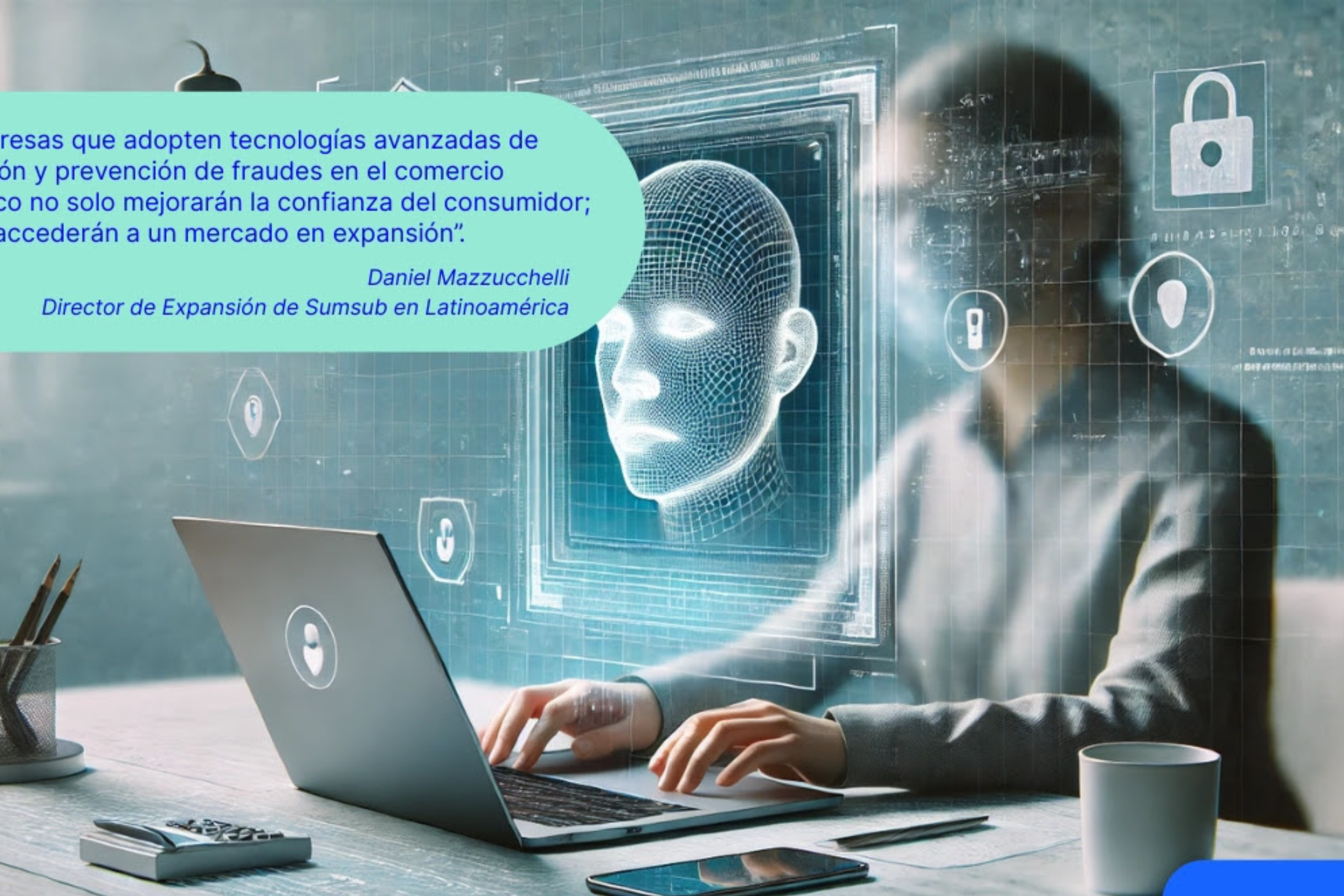
"Ecommerce in Mexico and Latin America must evolve towards a more inclusive model without compromising security," says Daniel Mazzucchelli, Sumsub's Director of Expansion in Latin America. He adds that "companies that adopt Artificial Intelligence-powered technologies for verification and fraud prevention in e-commerce will not only improve consumer confidence; they will also have access to an expanding market. The key is to adopt innovative solutions that enable safe and inclusive e-commerce."
Among the solutions suggested by Sumsub to achieve this balance between security and accessibility are:
Identity verification through biometrics and document verification, without invasive procedures.
Digital education aimed at individuals in vulnerable situations, with the aim of instructing them in the use of platforms and safeguarding their data.
The advancement of e-commerce will depend on the ability of digital platforms to integrate technologies that protect and encourage the engagement of all users. The combination of biometric verification, paperless verification, and secure payment gateways offers the opportunity to build a safer and more inclusive ecosystem.
In an expanding digital environment, security and access are consolidated as crucial components to ensure the feasibility of e-commerce.