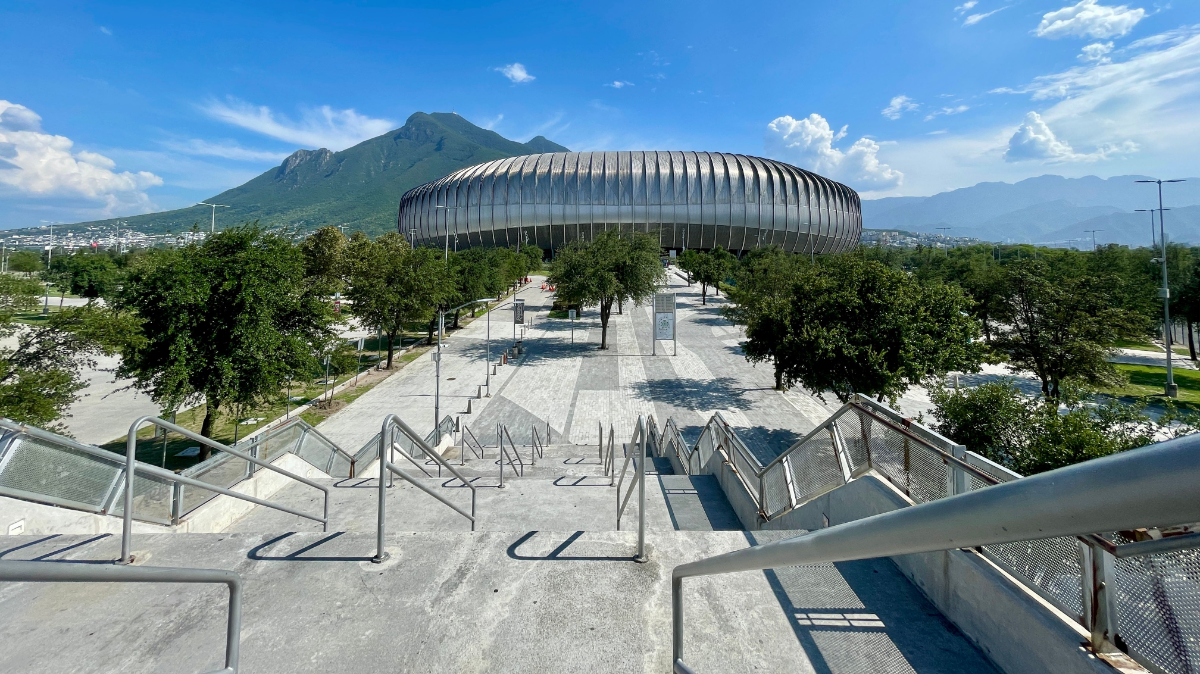
International. With the World Cup underway, stadium operation and the management of credentials and critical assets become key factors in ensuring security in high-demand environments.
Sports venues are highly dynamic environments, where thousands of people circulate through multiple access points at any given time. Within these spaces there are both public areas and restricted areas that require controlled access for a wide variety of actors, including employees, fans, athletes, artists, media, suppliers and authorities.
Stadiums and arenas in Latin America face a particularly complex challenge: managing thousands of keys, credentials and high-value assets within venues that are continuously adapted to different events, audiences and venues.
operational needs (football matches, concerts, trade shows and corporate events, often in quick succession). In this context, digital asset management is no longer optional; It is a fundamental ability to maintain control, transparency and consistency.
To achieve this, security teams rely on a broad set of critical resources. These include physical keys and access credentials for areas such as VIP entrances, private boxes and locker rooms, as well as essential equipment such as communication radios, medical response kits, metal detectors, bag screening scanners and command center technology. This operational reality raises important questions: who is responsible for managing these assets? How are they monitored throughout the event lifecycle? And, above all, what level of visibility is there on each asset delivered and returned?
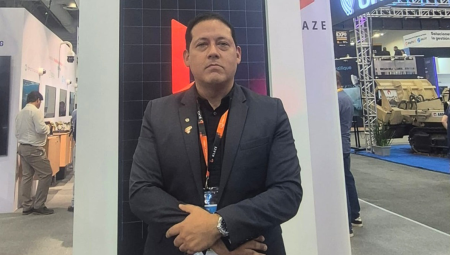
For Diego Cota, Regional Sales Manager at Traka Americas, addressing these challenges requires more than manual processes or fragmented systems. By integrating smart lockers and electronic key lockers with centralized platforms such as TrakaWEB, venues can establish a structured and scalable approach to asset management, enabling real-time monitoring of keys, access credentials, and critical equipment at each event.
The executive emphasizes that the electronic lockers are specifically designed to manage the secure delivery and return of keys and credentials through a centralized and monitored system, helping to prevent losses and strengthening operational security. This way, administrators can quickly see who accessed a key or credential, when it was last used, and if it has already been returned. Cota also details that automatic alerts can be generated if the return deadline is missed or if an unauthorized access attempt occurs.

"Taking this capability a step further, TrakaWEB also powers smart locker solutions designed to secure, manage and track shared devices, operational equipment and critical inventory within the venue. These lockers can be configured with dual authentication protocols, for example, user credentials combined with PINs based on the employee number, to control access to high-risk or high-value assets, including emergency medical equipment or regulated items. In high-pressure scenarios, this ensures that only authorized personnel can access the right equipment at the right time," explains the Regional Sales Manager for Traka Americas.
At the same time, integrated charging capabilities keep essential devices, such as wearable body cameras, radios, and scanners, energized and ready for deployment, as well as protecting advanced assets such as small drones. Each transaction is automatically recorded on the centralized platform, providing a complete and real-time history of asset usage.
On this basis, solutions such as TrakaWEB also reinforce operational accountability by controlling how long keys and credentials remain in a user's possession. The system enforces return deadlines and sends automatic notifications when an item is not returned as expected, helping to maintain control of critical assets even in fast-paced event environments.
Real-time traceability for critical assets
The loss of something as simple as a locker room key can quickly become a major security risk, compromising access to restricted areas and leading to operational and financial consequences for the venue. While compliance with external regulations remains essential, the most visionary operators are adopting digital infrastructures that offer real-time visibility and control over critical assets in environments defined by constant activity and changing demands.
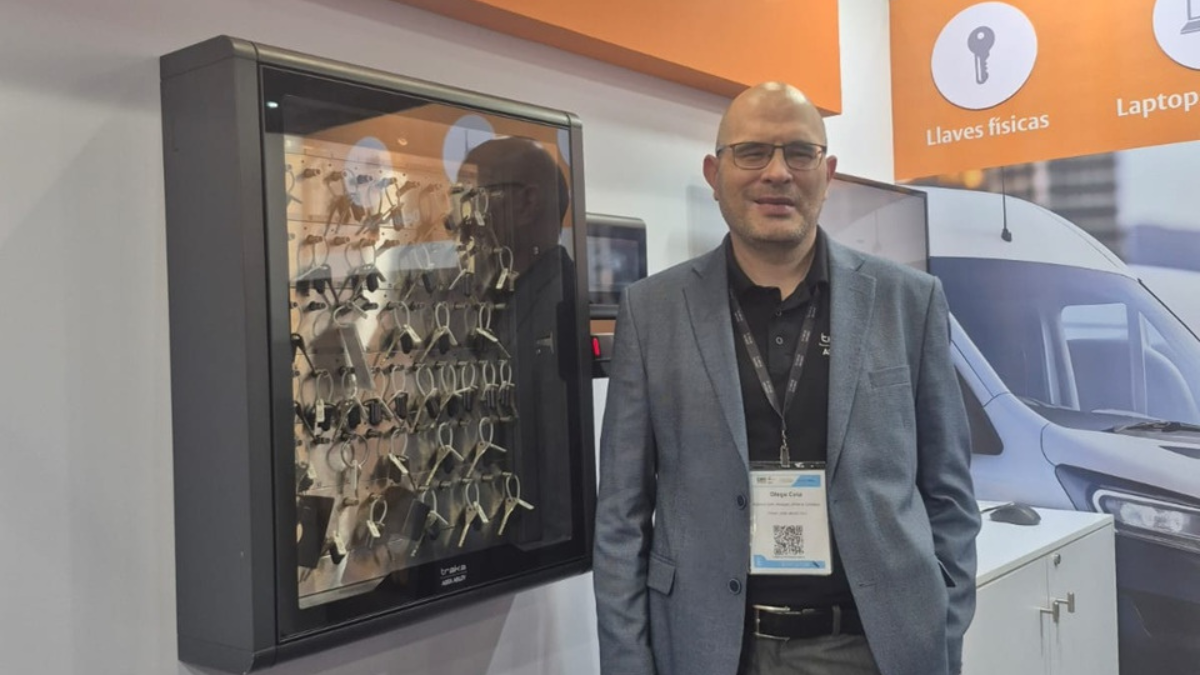
With intelligent key and locker management solutions, security teams gain the ability to independently manage and monitor keys, radios, devices, and other essential equipment. This reduces unauthorized circulation, strengthens traceability, and ensures accountability for every asset under your control.
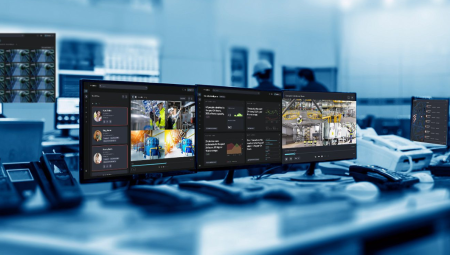
"A centralized platform like TrakaWEB provides unified monitoring, maintaining a complete audit trail of each transaction and ensuring that all movements are recorded in real-time. Thanks to their integration with access control systems, visitor management platforms and point-of-sale technologies, these solutions go beyond security and improve operational efficiency throughout the stadium ecosystem," says Diego Cota.
Ultimately, by implementing intelligent key and asset management, sports venues can overcome reactive security measures and establish a proactive, data-driven approach, protecting people, assets, and operations, while building a scalable foundation for the future of secure, efficient, and multifunctional event environments.
"The true value of these solutions lies in their ability to transform operational complexity into a structured, intelligent system. Electronic key lockers and smart lockers turn everyday resources into
fully controlled and traceable assets, while the integrated software applies usage policies, generates real-time alerts and consolidates data on a single platform," concludes the Traka Americas executive.