
Latin America. The digitization of the financial system in Latin America has created new opportunities to optimize the user experience, expand access, and accelerate. However, this progress has been accompanied by a significant increase in the surface area of criminal attacks, which have found an effective remedy.
According to BioCatch, a company specializing in the prevention of digital fraud through behavioral intelligence, money laundering has become one of the most serious threats to the region's financial stability. This problem is aggravated by high rates of violence and corruption, along with weak regulatory frameworks, the absence of effective sanctions, and difficulties in regulatory compliance.
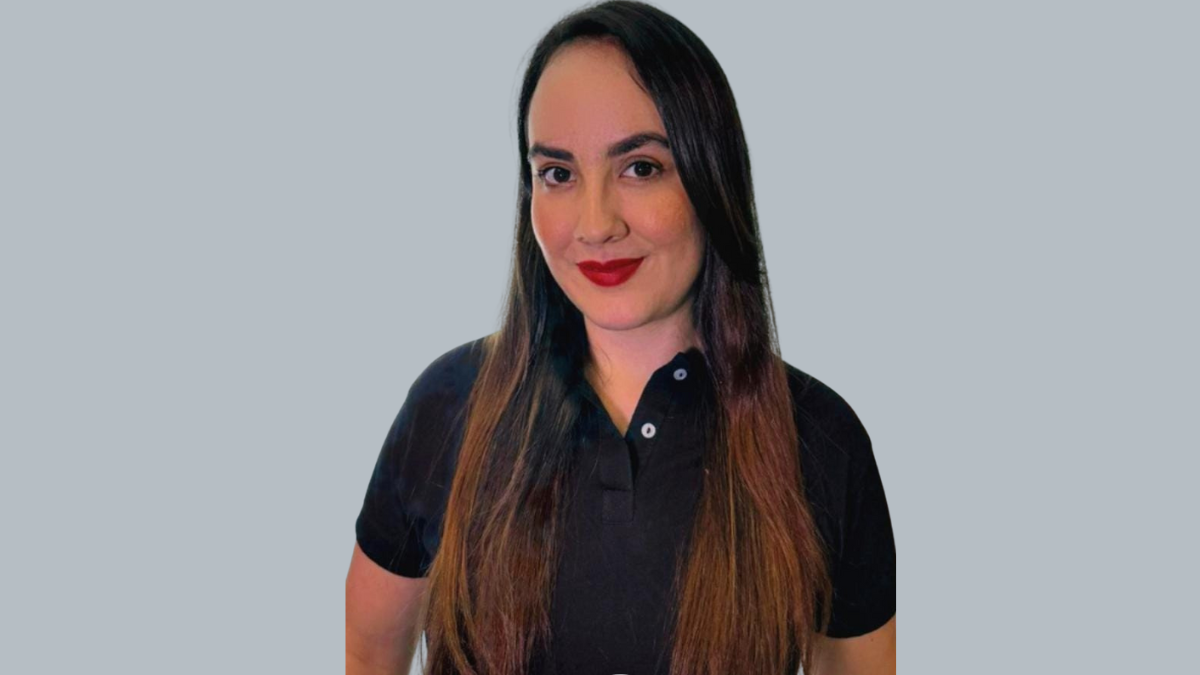
According to Josué Martínez, Global Advisor at BioCatch, one of the essential components in this criminal network is the use of easy-to-start accounts. According to the specialist: "This circumstance is worrying." BioCatch reported in 2024 that there are more than two million money accounts opened by 257 financial institutions in 21 nations on five continents. In addition, 90% of transactions with money mules are related to cybercrime and 78% of such activity involves people under 21 years of age."
The expansion of mule accounts is also linked to increased financial inclusion in the region. Currently, 85% of money recipients in Latin America and the Caribbean manage it through digital means such as mobile apps and digital wallets. In nations such as Mexico, the CoDI system has facilitated access to mobile banks even in remote areas, while Argentina, Panama, Colombia and Peru lead the adoption of electronic wallets.
Inequality, misinformation and regulation
Cassiano Cavalcanti, Director of Presales for LATAM at BioCatch, warns that structural factors such as economic inequality and poor financial education are breeding grounds for this phenomenon: "Economic inequality in Latin America, together with the lack of financial education in large sectors of the population, contributes to the problem of mule accounts. Many people are unaware of the risks associated with unregulated financial transactions and can unwittingly become instruments of money laundering."
Despite the fact that many Latin American countries have anti-money laundering (AML) legislation, there is still no specific regulation on the phenomenon of mule accounts. Martínez considers that this represents a great institutional weakness. "Institutional weakness and lack of coordination between government agencies make it difficult to prosecute crimes related to money laundering. Inconsistent enforcement of laws also creates an environment where illicit activities can thrive without effective oversight."
In this line, Cavalcanti emphasizes: "As digital payment infrastructures mature and achieve widespread adoption, regulatory frameworks must evolve in parallel to counter increasingly sophisticated financial crimes and, at the same time, preserve the substantial advances in financial inclusion achieved over the last decade."
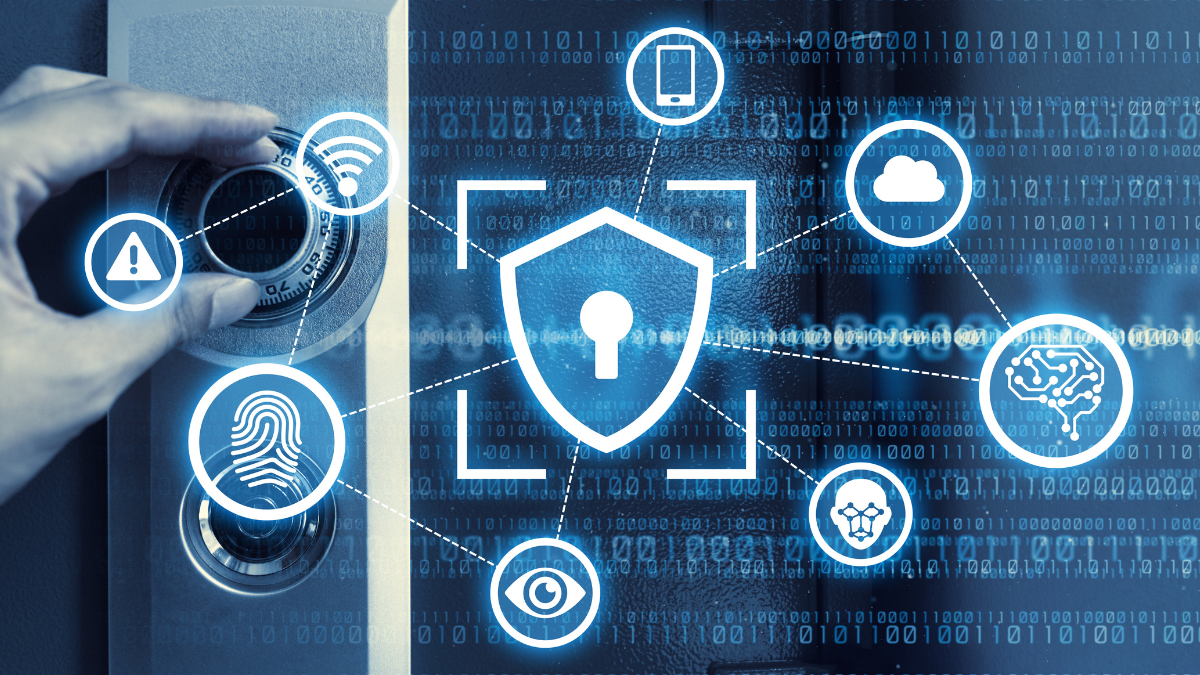
Faced with this scenario, behavioral biometrics appears as an important ally. This technology allows you to identify redirected behavior on bank accounts, such as unusual transaction patterns, changes used in used devices, or suspicious network relationships. By comparing this data with user history, systems can determine whether an account is being used for fake trades.
"The distribution of money from the mules of the account is an urgent challenge for the financial system in Latin America. Without coordinated and effective rules and responses, the impact of this practice will continue to grow, which is detrimental to consumers, businesses and the economy in general," concluded Josué Martínez.