
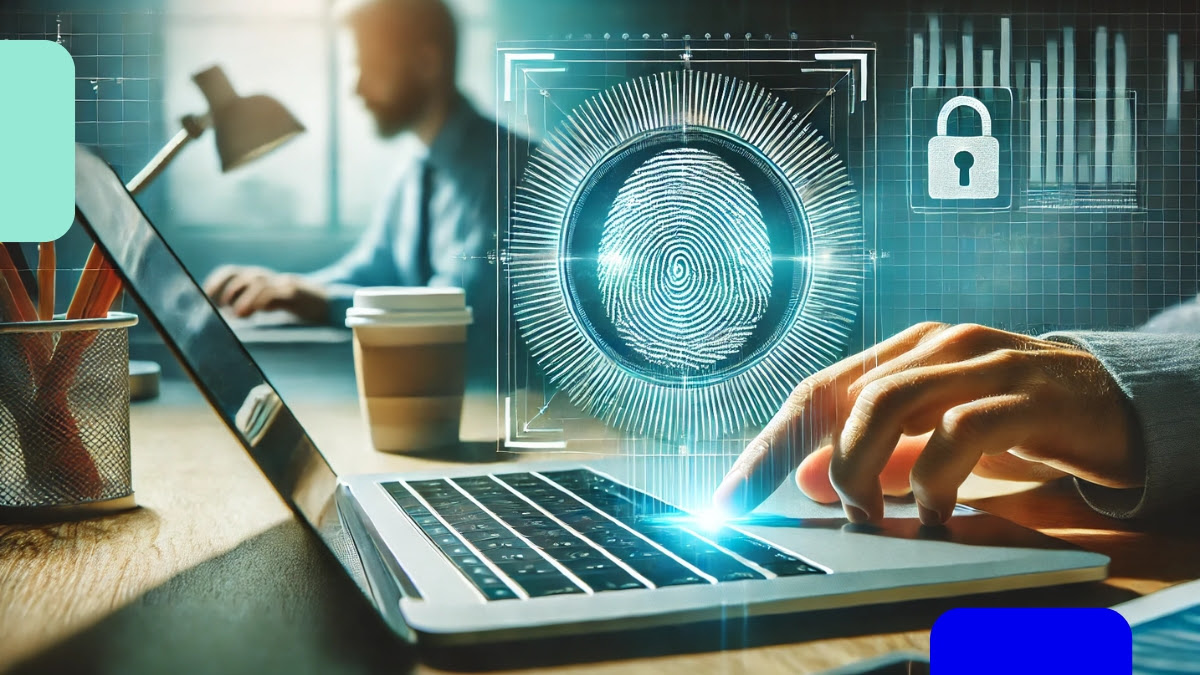
Latin America. Biometric authentication is positioned as a shield against an ever-evolving crime. According to estimates by Cybersecurity Ventures, the global cost of cybercrime could reach $10.5 trillion by 2025, up from $3 trillion in 2015.
This technology is based on the verification of unique physical characteristics, such as face, fingerprint, voice or even behavioral patterns, which allow a person to be accurately identified. However, despite its high capacity for prevention, it also presents risks. If biometric data is not properly safeguarded, it could be used to monitor people without their consent or be exposed to cyberattacks.
Daniel Mazzucchelli, Sumsub's expansion director for Latin America, highlights that rigorous identity validation is essential to prevent this type of incident: "Biometric authentication technology is preferred over passwords, PINs or security tokens due to its greater ease of use, privacy and security," he says.
He added: "It offers strong protection against identity theft, as biometric traits are unique and difficult to replicate. In addition, it provides an improved user experience, as it is fast and eliminates the need to remember passwords."
Mazzucchelli adds that this technology "reduces the risk of human error and can be integrated into multi-factor authentication for added security," and highlights its durability: "Being relatively stable throughout a person's life, biometric traits are also future-proof."
Currently, biometrics are used in different sectors, from unlocking mobile devices to accessing computer systems, secure facilities or banking platforms. However, it is not free of threats.
Data breaches are the biggest risk: if biometric information is stolen, it is permanently compromised. Added to this are errors in the systems, such as false positives or negatives, and the rejection of users who distrust the use of their personal data.
There is also a risk of non-compliance with data protection regulations, as the processing of biometric information is subject to legal frameworks that vary by country. The lack of adequate technical and organizational measures can aggravate the situation.
An example of this was what happened in October 2023, when the genetic testing company 23andMe suffered a serious leak after an attack for credential theft. The incident compromised personal and genetic data of nearly 7 million people, including sensitive information such as DNA profiles and family trees.
Best practices for secure deployment
Experts agree that to take advantage of the full potential of biometric authentication, it is key to integrate it with other layers of security. One of the most effective is multi-factor authentication (MFA), which combines different methods to validate the user's identity.
Another expanding strategy is multimodal biometrics, which merges more than one feature—such as face and voice—to improve the accuracy and robustness of the system.
According to Mazzucchelli, these integrations are essential to face increasingly sophisticated threats: "Biometric authentication is an advanced and effective solution to protect both companies and users against growing cyber threats, including the theft of personal information," he says.
"Although there are challenges such as sensitive data management and regulatory compliance, its integration with multifactorial, multimodal methods and emerging technologies, such as artificial intelligence, ensures its effectiveness against current risks, including advanced threats such as deepfakes."