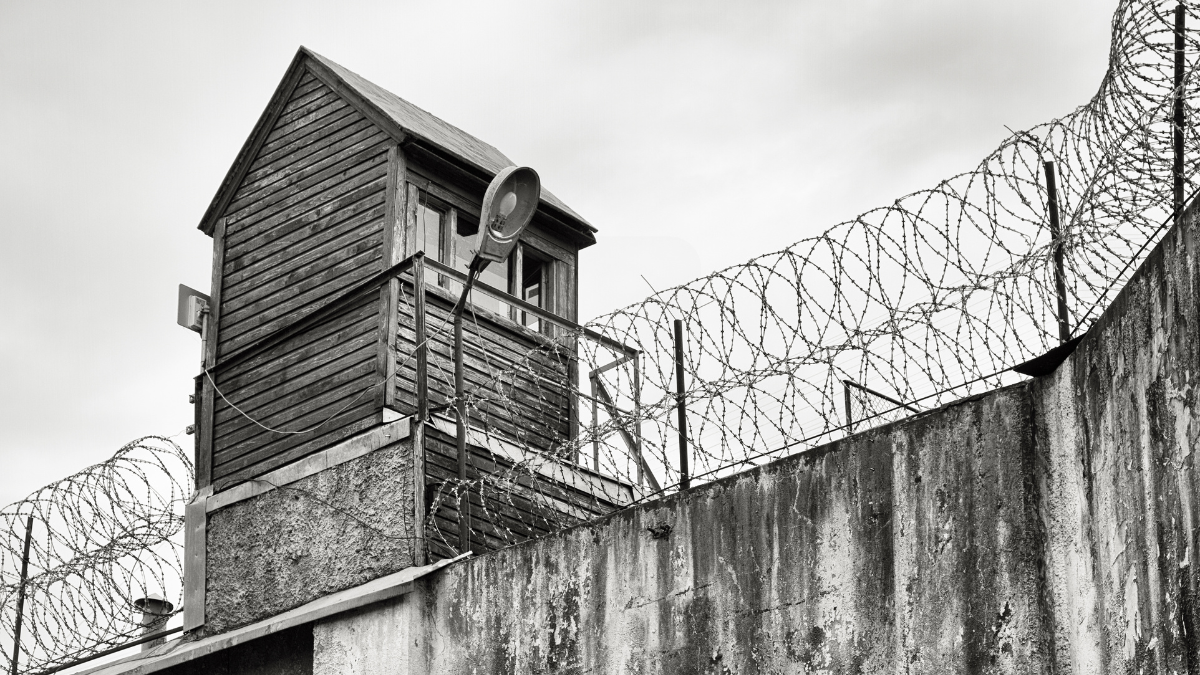
In prison settings, the management of cell keys, communication radios, non-lethal weapons, and other sensitive resources requires accuracy, traceability, and control.
By: Diego Cota*
The circulation between restricted areas, the rotation of personnel and the functional segmentation of spaces make the management of these assets a critical point for institutional security. When processes rely on manual records or fragmented systems, the risk of improper access, loss of assets, duplication of keys, and operational errors that compromise monitoring increases.
The absence of integration between asset management and physical access control limits incident response capacity and overburdens staff with administrative tasks that do not guarantee traceability. Linking both systems allows for a more secure operational logic: if the asset has not been picked up or returned, the entry or exit of sensitive areas is blocked, a technical condition that reduces the margin of error, reinforces supervision and transforms control into an automated, verifiable and preventive process.
AccessCheck, Traka's new proposal for the market
In the day-to-day life of a prison, every key, radio or tactical device in circulation represents much more than an operational resource and becomes a critical piece within the security gear. The constant turnover of personnel, the transit between restricted areas and the fragmentation of space make the management of these assets a delicate task, where any omission can have serious consequences.
When control relies on manual records or systems that don't communicate with each other, vulnerabilities such as improper access, equipment loss, unauthorized duplication, and errors arise that make effective monitoring difficult.
To address these challenges, Traka, a global leader in intelligent key management solutions, has developed the AccessCheck solution, a technical architecture that links automated asset management with physical access control. This integration allows a more secure operational logic to be established: if the asset has not been collected or returned, the entry or exit of sensitive areas is blocked, a condition that is applied automatically, without manual intervention, and transforms control into a verifiable, preventive and sustainable process.
Similarly, the interaction between the three components of the system – input and output hardware, management software and smart lockers – allows a closed traceability loop to be established, where each movement is recorded and validated in real time.
Operation in prisons: traceability and prevention
In correctional facilities, this solution operates as a cross-control system that automates the delivery and return of critical assets. Every time an employee picks up a cell key, communication radio, or weapon, the system records the action in real-time and sends a notification to the access control software. If the asset has not been managed correctly – for example, if it has not been returned at the end of the shift – the system blocks entry or exit from restricted areas, preventing passage until the protocol is complied with.
This mechanism does not depend on manual monitoring and traceability is established from the moment the user interacts with the smart locker, and remains active throughout the operating cycle.
In practice, this means that a staff member may not enter a detention area without having collected the appropriate key, nor leave the premises without returning it. The same goes for turn-assigned radios, weapons, or tactical devices.
In an environment where security depends on precise coordination between personnel, infrastructure, and physical resources, AccessCheck introduces a layer of control that operates preventively, verifiably, and with no room for operational omissions.
Operational and strategic impact
The implementation of this solution in prison environments modifies the logic of institutional management by automating processes that traditionally fall on operational staff.
Automating asset management in prison environments eliminates common points of failure in manual systems and allows for real-time irregularities such as unauthorized access or incomplete returns. By decoupling these processes from direct monitoring and written records, you reduce the administrative burden on staff, optimize efficiency, and minimize the risk of human error or misconduct associated with handling critical resources.
From a budgetary perspective, the system helps reduce costs arising from lost, duplicated or replaced keys and devices. By preventing assets from leaving the premises without authorization, the solution avoids unforeseen expenses on locks, key copies or equipment replacement, and mitigates threats such as device cloning or off-site misuse.
Each interaction is recorded, strengthening institutional traceability and facilitating accountability to internal or external audits.
In addition, by establishing a closed circuit of control between assets and accesses, the system reduces exposure to incidents that may lead to reputational questions or operational sanctions.
In an environment where security depends on the precise coordination between infrastructure, personnel, and physical resources, this technology introduces an automated monitoring layer that operates preventively, verifiably, and sustainably.
Applicability in other critical environments
While its implementation in prisons meets specific operational demands, the system has also been adopted by organizations facing similar challenges in managing sensitive assets. In hospitals and mental health units, for example, it allows the availability of medical equipment and clinical devices to be controlled, ensuring that only authorized personnel access them and that their return is recorded, reducing the risk of loss, misuse or interruptions in care.
In banks, automating access to vault keys, terminals or security devices helps prevent breaches, minimise operational delays and avoid duplications that could compromise security. In data centers, the traceability of assets such as laptops, tablets or physical rack keys allows maintaining the security of the infrastructure and preventing devices from leaving the site without authorization, mitigating risks of cloning, loss or exploitation of information.
The logic that links automated asset management with physical access control not only responds to an operational need, but also proposes a more rigorous way of understanding institutional security.
In environments where the availability of critical resources and the movement of personnel must be regulated with no margin for error, this technical architecture allows you to anticipate failure, not just correct it. More than a one-off tool, it is a structural response to a problem that has been normalized for years: the disconnect between what is carried and what is allowed. Integrating both elements under the same operational logic is not only efficient, it is a way of regaining control in systems that, by their nature, cannot afford improvisation.
*Diego Cota, Regional Sales Manager for Traka