
With the World Cup on the horizon, Mexico is preparing to take on one of the biggest logistical and security challenges in sporting events.
By Andrea Ochoa Restrepo
The country's preparedness goes beyond simply fitting out stadiums: it involves transforming entire cities to ensure appropriate infrastructure, functional hospital services, operational emergency systems, and safety conditions for both residents and the thousands of visitors who will congregate.
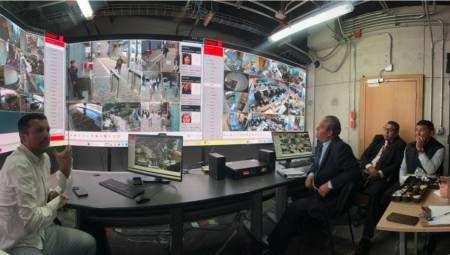
In these circumstances, Marina Vitela Rodríguez, representative of Morena, presented in Congress a proposal to change the General Law of Physical Culture and Sports, with the aim of strengthening security measures in large-scale sporting events. The proposal suggests collaboration between the three levels of government — federal, state and municipal — to establish video surveillance systems in all stadiums in the country, as detailed in the Parliamentary Gazette.
The project includes the installation of cameras in stands, accesses, service areas and parking lots, in order to prevent incidents, identify irregular behavior and maintain order. "The public has the right to enjoy the stadiums in conditions free of violence," the legislative document states.
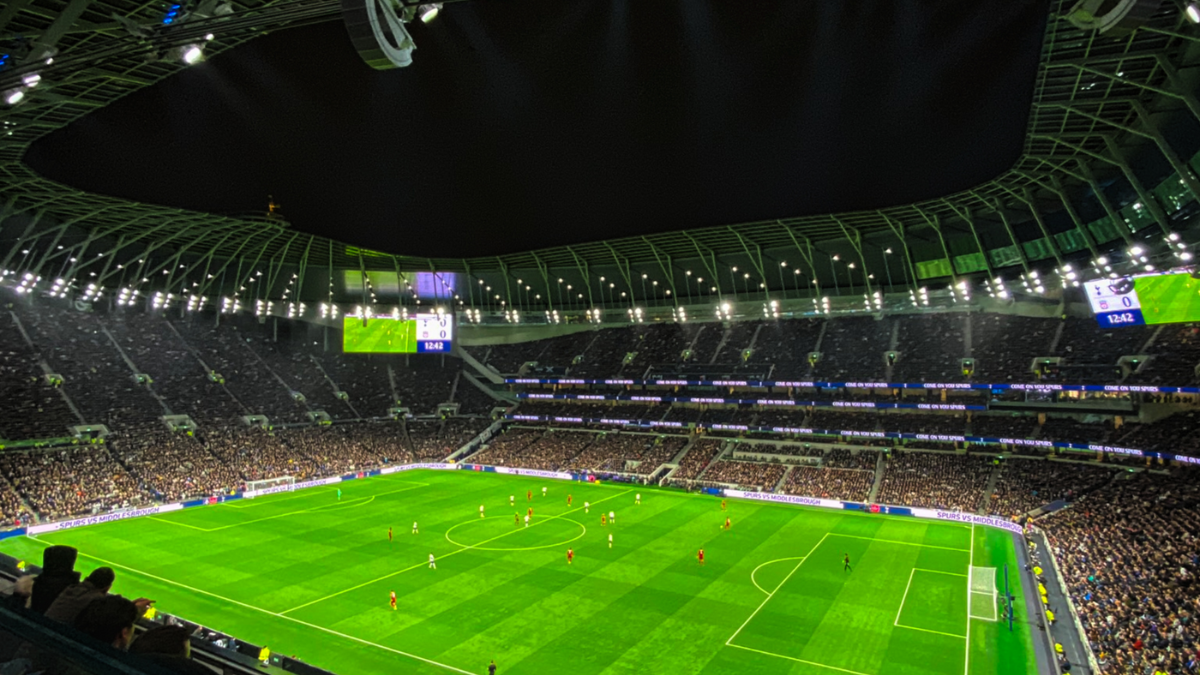
This initiative is presented in a context of high attendance. For example, the Azteca Stadium is expected to receive more than 90,000 spectators per game, while stadiums such as BBVA in Monterrey and Akron in Guadalajara will have capacities between 25,000 and 50,000 attendees. According to the annual report of the Mexican Football Federation (FMF), in 2024 Liga MX registered an average of 22,893 attendees per game, ranking as the sixth league with the highest influx worldwide, according to data from the consulting firm Transfermarkt and the ranking prepared by Statista.
Technology and recent experiences: Brazil and Russia
Previous experiences show the application of technology as a security strategy on other continents. In 2014, more than 10,000 video surveillance cameras were installed in Brazil's most important cities, some with facial recognition capabilities. Brazil's Ministry of Justice and Public Security reported on these data.
For Russia 2018, the government established a nationwide network of smart cameras with real-time facial identification, used to monitor crowds and identify potential threats, according to the state news agency TASS. These cameras were incorporated into regional control centres and used in stadiums and nearby urban infrastructure.
On the other hand, FIFA reinforced the cybersecurity of the event, given the increase in the use of digital platforms for the purchase of tickets, payments and communications. In collaboration with specialized companies such as Kaspersky Lab and Interpol teams, protocols were implemented to protect personal data and prevent unauthorized access to computer systems, according to FIFA's official technical report after the event.
Guidelines for security in the Mexican context
In Mexico, the discussion about security in soccer has gained importance after events such as those that occurred at the Corregidora Stadium in Querétaro in March 2022, which caused dozens of injuries and promoted control actions by Liga MX, the FMF and government authorities. These circumstances continue to be cited by entities such as the National Human Rights Commission (CNDH) and several civil organizations.
The proposal for national video surveillance proposes an approach that combines technological tools, inter-institutional protocols and legal safeguards. Data protection experts, such as the National Institute of Transparency, Access to Information and Protection of Personal Data (INAI), have warned on other occasions about the need to establish clear regulatory frameworks for the use of sensitive technologies such as facial recognition.