
Latin America. Academic institutions are incorporating digital twins into their technology transformation strategies. These virtual systems, which digitally simulate the physical spaces of a campus, allow universities to optimize operations, manage resources and improve the educational experience.
"A digital twin is a detailed model of a campus—including its buildings, classrooms, and infrastructure—created on a computer. Although the potential of this new technology has not yet been fully developed, digital twins already offer various applications that can revolutionize educational environments and outcomes," explained Miguel Arrañaga, Regional Sales Director of Hikvision Mexico.
According to Arrañaga, traditional methods of university management, based on isolated cameras and non-integrated access control systems, are not suitable for current demands. He also pointed out that classrooms with basic equipment hinder both teaching and student participation. "These inefficient and disconnected systems no longer meet the demands of a large-scale, modern campus. This is where digital twin technology can make such a significant difference," he said.
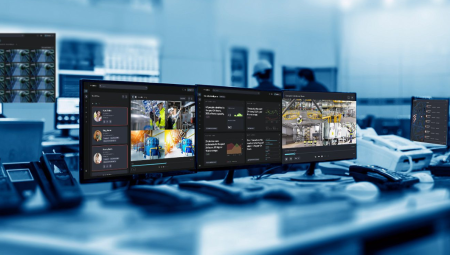
Digital twins allow managers to monitor real-time space usage, optimize resources such as energy and water, and improve operational decision-making. Among its functionalities are security management, maintenance, equipment use and academic planning, all from centralized platforms.
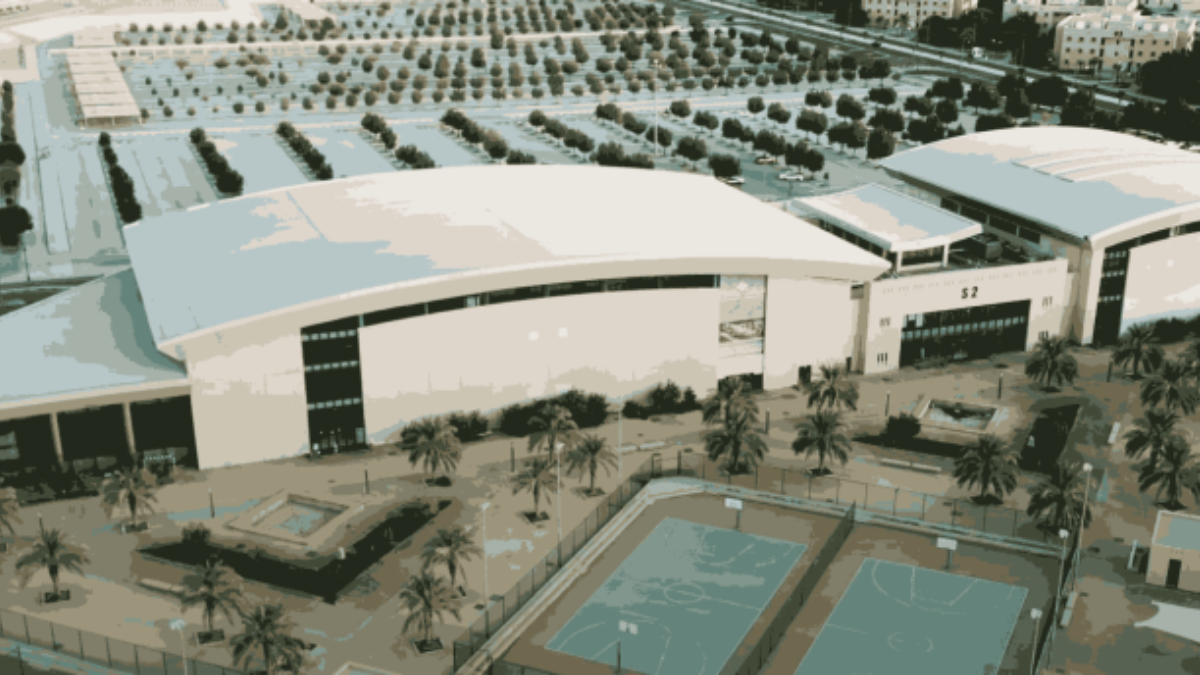
Arrañaga cited the case of Qassim University, in Saudi Arabia, where Hikvision collaborated in the development of an ecosystem of digital twins that spans 30 buildings. "It features a detailed 3D model with more than 6,000 smart cameras. With an intuitive and centralized dashboard, administrators can easily monitor the layout and interior structures, ensuring a safer environment for everyone on campus."
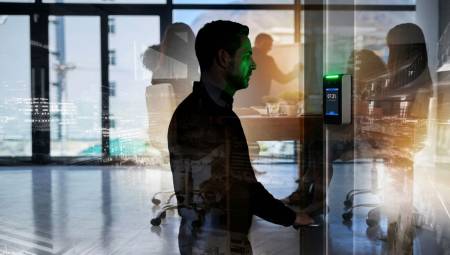
Additionally, the system has allowed progress in the management of attendance, organization of classes and coordination of services such as canteens and residences for students.