In the face of this external pressure, the electronic security sector in the region is betting its sustainability on technological innovation, the diversification of suppliers and the urgent reconfiguration of its logistics chains.
By Andrea Ochoa Restrepo
Recent changes in U.S. trade policy have posed new challenges for the electronic security industry in Latin America. The imposition of a web of tariffs—including those stemming from Section 301 against China, "reciprocal" tariffs, and provisions of the International Emergency Economic Powers Act (IEEPA)—has led to supply chain disruptions, increased costs, and forced industry players to revise their operating models.
Supply chain under pressure
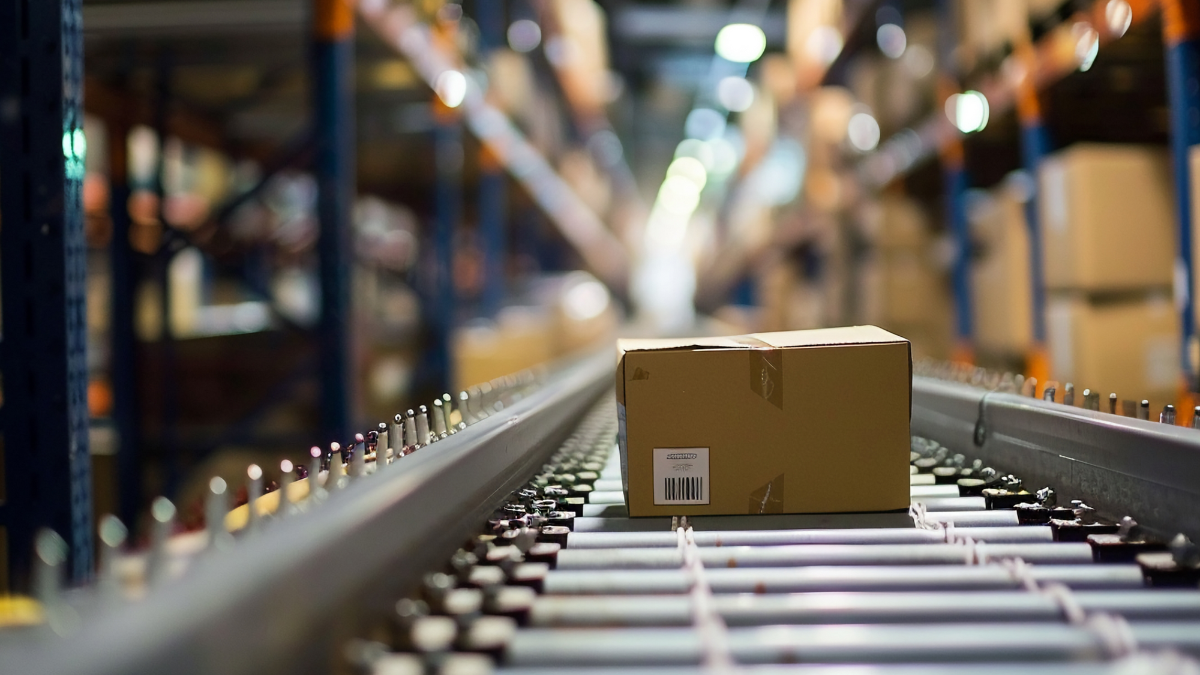
The increase in the costs of components such as semiconductors, sensors, batteries, displays, and structural materials affects the entire value chain, from manufacturers to integrators. This makes it necessary to evaluate whether the cost overruns are absorbed or passed on to the end customer. The diversification of suppliers and the redirection of logistics routes have also increased freight rates, extended delivery times and generated congestion in ports. Some companies choose to store inventories in the face of supply uncertainty, which represents an additional effort in financial terms.
The situation is influenced by varying positions within the U.S. government. Although Customs and Border Protection (CBP) announced on April 5 that certain electronic devices — such as smartphones, computer components, and semiconductor chips — would be excluded from reciprocal tariffs, this decision was nuanced days later. On April 13, Commerce Secretary Howard Lutnick said, "That exemption is only temporary, as they will have a specific levy soon," adding, "All of those products will fall under the semiconductor category and have a specific tariff ... They will be included in the semiconductor tariffs, which are likely to take effect in a month or two. So these will be coming soon."
The implementation of customs tariffs on fundamental elements such as semiconductors, chips and screens will directly impact surveillance camera, alarm and surveillance companies in Latin America. These devices are based on imported materials, many of which come from China or include components produced in that country. The increase in customs tariffs will cause an increase in the purchase expenses of these devices, impacting the profit margins of companies in the industry. Specifically, companies with agreements at an unalterable price will have to determine whether to assume these extra expenses, which would affect their profitability, or if they distribute them among end customers, which could cause dissatisfaction or decrease in their competitiveness.
In addition, supply chain issues and long delivery times will also impact the ability of electronic security companies to meet their installation and maintenance obligations. The lack of concrete components could force integrators to reformulate their solutions or employ less sophisticated technologies, thereby diminishing the quality or capabilities of the systems. In this context, companies in the industry will have to reorganize their supply chain, diversifying their suppliers and considering new options to minimize the risks caused by tariffs and uncertainty in global trade.
In addition, President Donald Trump announced a 145% increase in tariffs on Chinese products, adding 125% to the 20% already in place. In his words: "We need semiconductors, chips and flat panels; we need these products to be manufactured in the United States. We cannot depend on Southeast Asia (...) Therefore, this is not a permanent exemption." China responded with equivalent tariff measures.
Distributors and integrators at the critical point
In Latin America, distributors and integrators face financial and logistical challenges. Fixed-price contracts can pose a risk to unexpected variations in costs. In some cases, this leads to renegotiations or cancellations of projects. On a technical level, the availability of equipment begins to condition the design of solutions, which influences the final configuration of the systems.
Mixed Picture: Growth with Friction
Structural factors such as demand for urban and industrial security, digitalization, and the development of smart cities continue to drive the market. However, tariffs, logistical bottlenecks, and currency volatility create constraints, especially in sectors with tight margins such as small businesses, retail, or local governments.
The presence of Chinese technology is still relevant. This participation implies both dependence in logistical terms and access to lower-cost solutions.
Technological evolution: from surveillance to strategic value
The industry is going through a stage of technological transformation. Artificial intelligence (AI), the Internet of Things (IoT), and automation are changing the traditional approach to electronic security.
Luis Atiencia, director of the company Compucima, points out that "electronic security was one of the first industries to venture into the use of artificial intelligence." He explains that since 2005 video analysis algorithms began to be implemented and that "cameras went from being passive eyes to generating useful information and automatic alerts in real time."
Atiencia recalls that ten years ago there was already talk of banking systems that used machine learning to identify patterns and improve security. He adds that currently "algorithms make it possible to identify even if a worker is wearing a helmet or vest in a factory". He mentions the case of a project in Ecuador where "thermal cameras made it possible to detect temperature variations in high voltage lines before a failure occurred, avoiding millions of dollars in losses." He concludes: "These technologies enable companies to be proactive rather than reactive."
Regarding cybersecurity, Atiencia indicates: "The electronic security market has had to adapt to cybersecurity, and today it is one of the most important aspects for customers, especially in strategic sectors such as banking and energy."
Adaptation and balance: nearshoring and digital transformation
In the medium to long term, reconfiguring the supply chain through nearshoring strategies could benefit Latin America, provided obstacles such as informality, internal logistics costs, and specialized infrastructure are overcome.
The use of technologies such as artificial intelligence, advanced analytics and cloud platforms will also be decisive to increase operational efficiency and traceability in processes.
The current tariff environment is part of a dynamic of structural adjustments in global trade. Tensions between the United States and China remain, forcing companies in the sector to develop agile and adaptive models.
Recommendations
Companies in the sector can consider the following strategies:
• Diversification of suppliers and markets to spread risk.
• Use of customs instruments such as free zones, free trade agreements and tax planning.
• Redesign of products with modular platforms that allow flexibility of components.
• Dynamic inventory management with a focus on critical inputs.
• Investment in cybersecurity and contractual governance to face digital and legal risks.
Other perspectives
Luis Fernando Uribe, CEO of Totem Seguridad, describes how his company—with more than 10,000 cameras monitored in Latin America—has integrated new technologies in response to current market conditions.
On the use of artificial intelligence, Uribe comments: "We don't watch video, we watch clips analyzed with artificial intelligence analytics." He explains that, since the pandemic, they have implemented algorithms that allow "identifying people at restricted times or segregating vehicles from pedestrians". He points out that "95% of its cameras have some type of intelligent analytics".
He adds that: "We do not develop our own technology. We implement what is already proven in the market and focus on doing it well."
In relation to cybersecurity, Tótem is in the process of ISO 27001 certification. Uribe explains that they have implemented "communications encryption, perimeter firewalls and approved access control." He also mentions a recurring concern in the sector: "The problem in cybersecurity is Chinese products. Even if you put a firewall on them, they are often still vulnerable. But the market is in charge."
Cost continues to be a weighty variable. "We make a mix of cameras, alarms and access controls that allow us to monitor more efficiently and reduce costs in the field," explains Uribe. Compared to other offerings on the market, he says, "We can't compete with someone who goes and does an installation in a day with cheap products, but we can differentiate ourselves in service, reliability, and scalability."