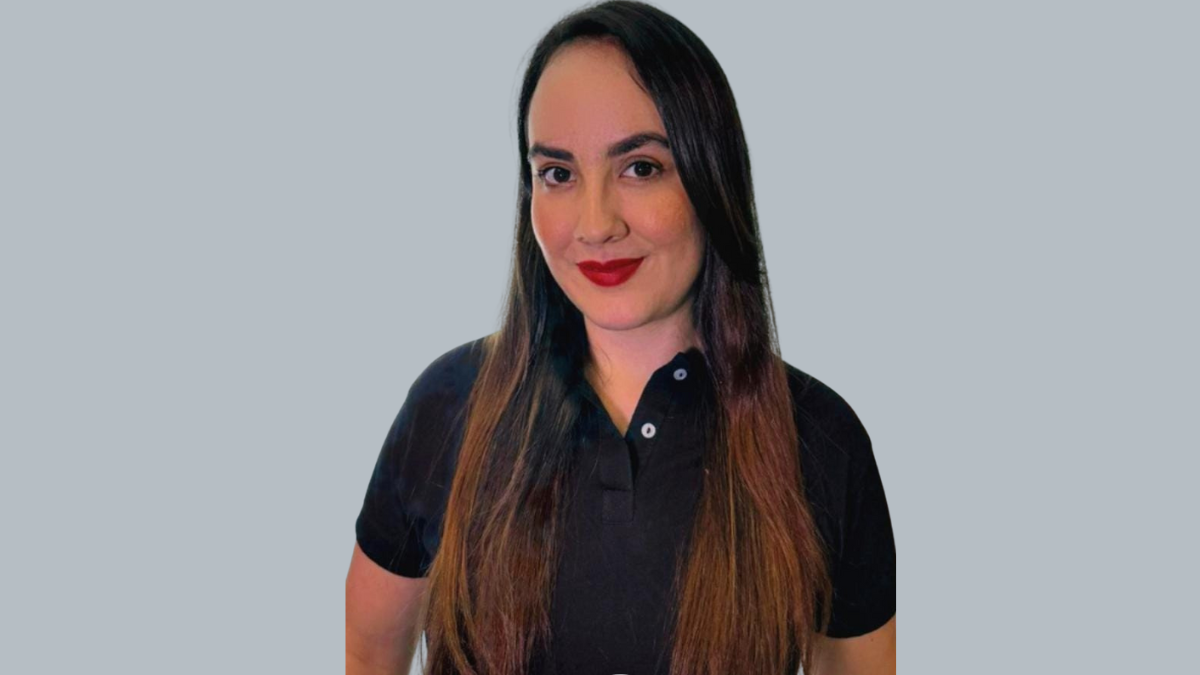

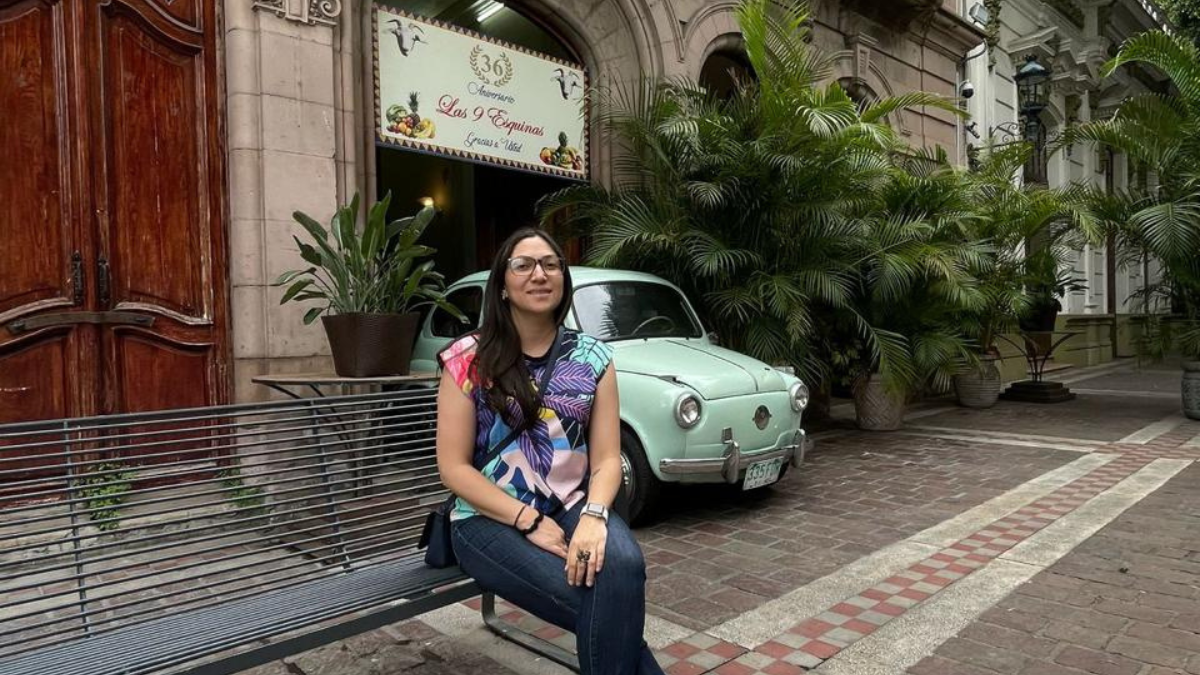
In a sector where historically leadership has been dominated by technical and male profiles, Jacqueline León has managed to carve out a space for herself with empathy, perseverance and innovation.
By Security Sales
A communicator by profession, a strategist by training and a manager by nature, today she represents the Came brand, a manufacturer of access control and automation equipment, and also chairs the Mexican National Committee of the Latin American Security Association (ALAS), a position she holds with a vision that balances innovation, inclusion and attention to the challenges of the sector.
All those who participate in this ecosystem – whether they are entrepreneurs, CEOs or representatives of integrators – share the same goal: to promote a culture of prevention and professionalization in security. And in this common effort, Jacqueline's career has been an example of how discipline, creativity and commitment can generate opportunities beyond positions or labels.
A career that breaks the mould
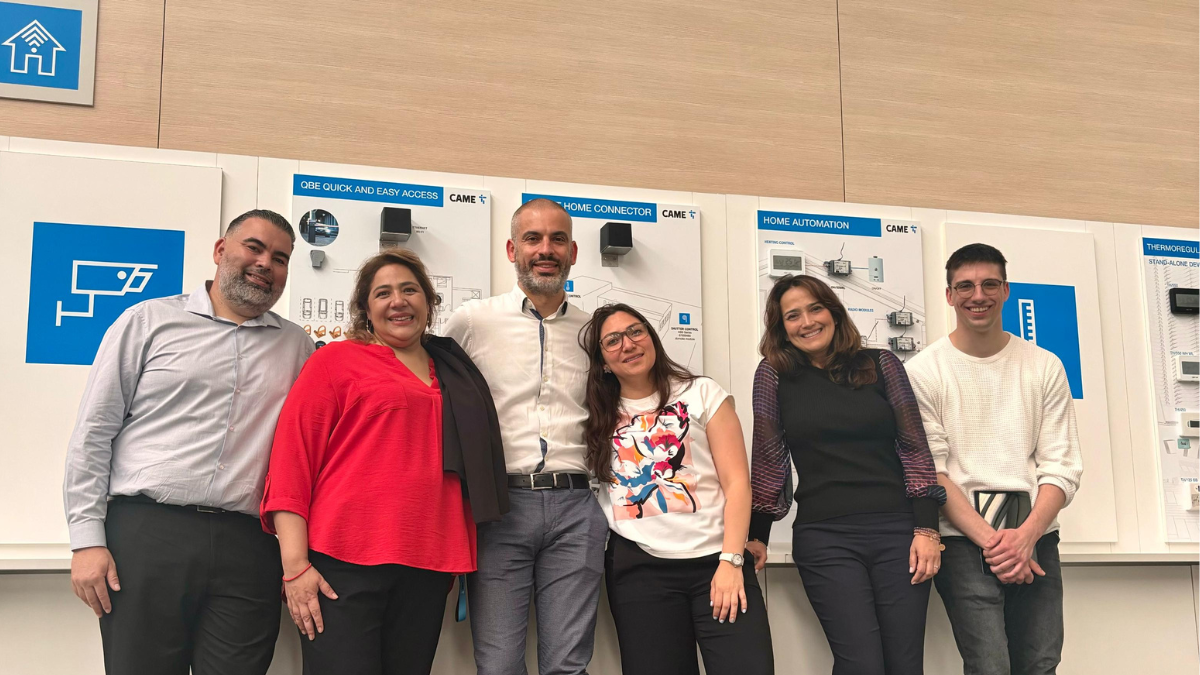
Jacqueline tells her story from experience. "What has opened the doors for me is that I do it selflessly. I like what I do. I like to connect with people," he says. Her experience organizing events and leading strategies in different sectors – from organizational communication to human resources and social responsibility – has allowed her to build a broad vision.
It has not been a path without difficulties. One of the main ones, he acknowledges, has been learning to silence destructive criticism in order to move forward firmly. "You're never going to keep everyone happy. At first that broke my head. But I understood that if eight out of ten look good, I've done my job," he says clearly about what it means to exercise visible leadership and subject to questioning.
Another challenge has been to overcome the barriers of a traditionally closed industry. While she recognizes that today there is greater openness, largely thanks to the work of previous generations, she also points out that her role — and that of other women in visible positions — is to continue to push to keep open the doors that others barely managed to open. "We are not mostly engineers, nor are we all managers, but we are managing to occupy spaces as mediators, as bridges between what is said in the technical field and what the industry really needs," she explains.
Leadership that transforms
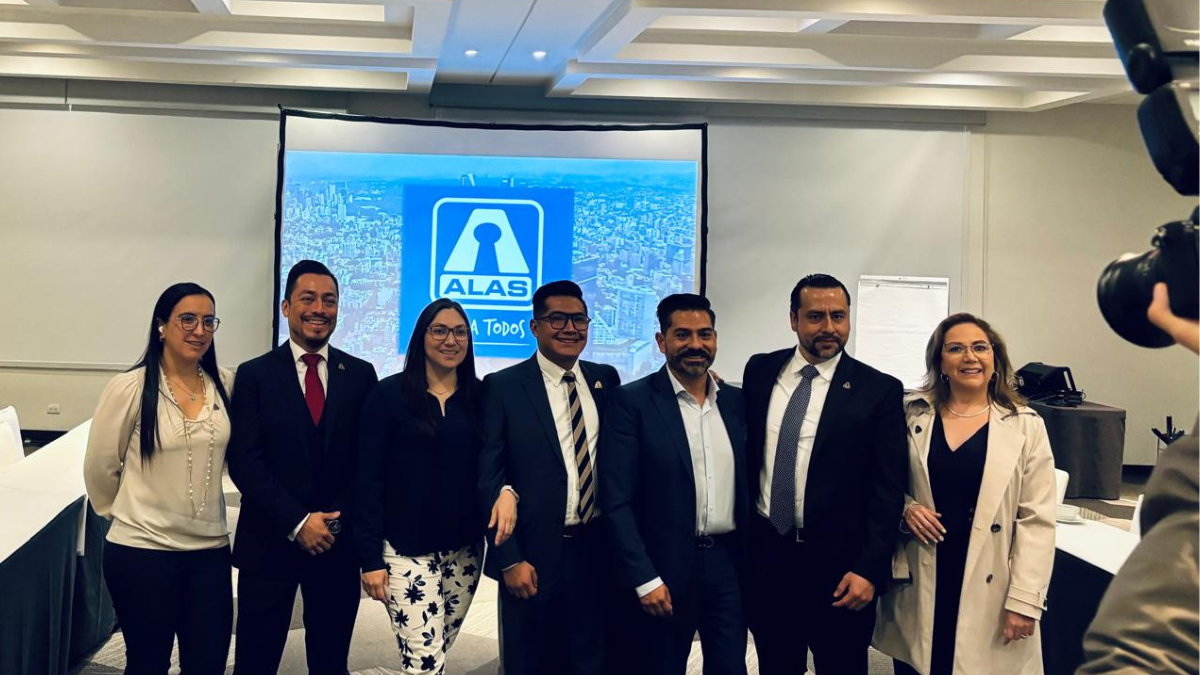
During her tenure at ALAS Mexico, Jacqueline has promoted greater female participation. Proof of this is that, for the first time, the committee has two vice-presidencies held by women. Dulce Diana, from end-user business development at H&D, and another vice president of memberships, accompany her management in a collaborative work that she describes as follows: "Today we are comadres. We are friends and we are working hard to continue promoting opportunities."
Beyond the gender approach, Jacqueline identifies another challenge: to coexist and build from three different generations that today share the sector. For her, it is a matter of finding balances, recognizing experiences and promoting a more equitable generational change, without losing sight of structural transformation.
A style forged in personal experience
Jacqueline didn't have conventional upbringing or structured conversations about difficult topics. "I didn't have that," he says. What he had was conversation, observation and intuition. The talks with his mother, the stories of his cousins, the learning that came from seeing and talking: "I was learning as I went, in a very light, very thoughtful way." Her mother stood out with each anecdote, and in those experiences values such as respect, empathy and solidarity were formed. "Mom and my grandmother were like that," she adds, without hiding that talking about them today implies a recent emotion. "My grandmother recently passed away. But hey, I'm going to try, in the most objective way."
That childhood, which combines closeness and overprotection, shaped her sensitivity to other people's stories. "If there is one thing I like, it is to listen to success stories, personal or professional, and I do not generate a bond of envy or judgment; on the contrary, it fills me with pride. The level of empathy is so high that I can cry with you." That ability to be moved by others was not formed with theories, but with examples. He strengthened it. And it prepared her, without knowing it, to face decisive moments in her life with resilience.
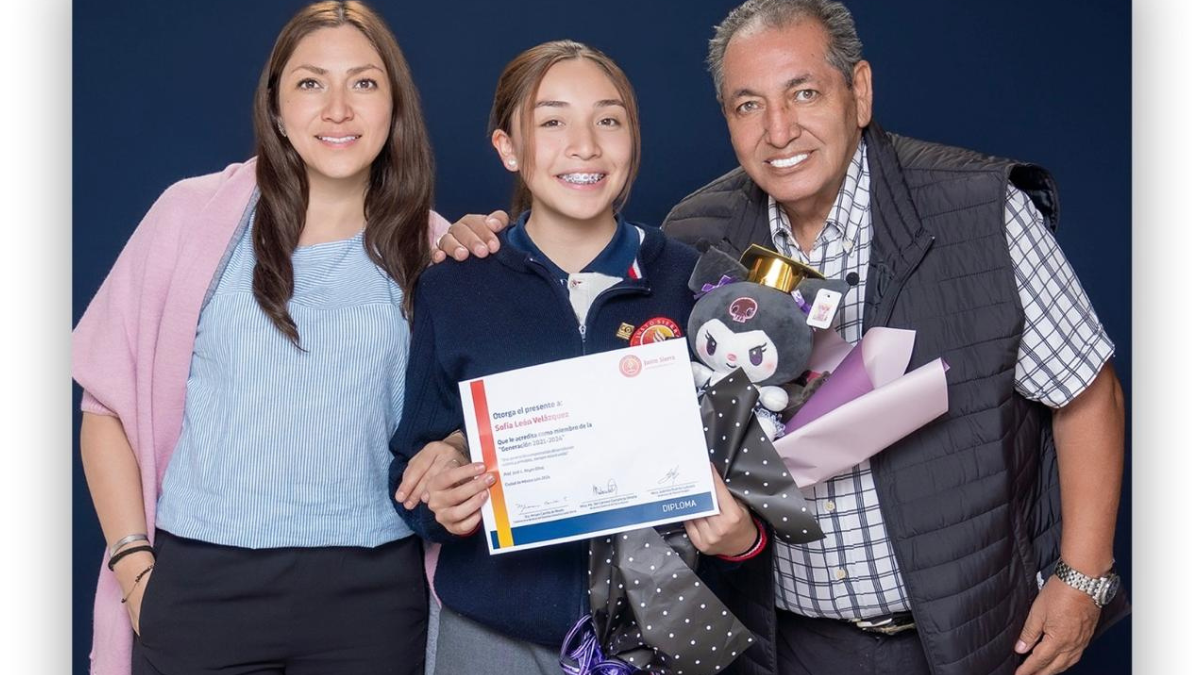
One of those moments came when she became a single mother. Her daughter, who is now fifteen years old, is a constant presence in her life and also a source of inspiration: "she is a disaster in her room, but she is a teenager who is moving forward, and that also motivates me a lot to seek balance." That balance, for Jacqueline, is not based on a formula but on a network: a job she likes, a flexibility she values and a support network that expands beyond the family — "because my family is very small" — to include friendships, colleagues and the bonds her daughter builds. "That network becomes extended, and that level of trust is critical to evolve."
The pandemic marked a before and after in this search for balance. It taught her that teleworking, travel, events, and personal responsibilities can coexist if there is a willingness and flexibility. He also understood that leadership is not based on control, but on trust. "You have to trust, not only in yourself, but in the other person. In that he will know what he has to do. Because if not, they become very dependent on what you say. They only obey, but they do not learn to think or to solve."
For Jacqueline, leading implies accepting different styles, valuing results different from those expected, and recognizing what each person contributes with their own resources. "When you're a boss, you think everything has to look like what you expect to see. But that is a mistake. The result that materializes may not look like what you thought, but if it serves its purpose, it's okay. Sometimes you have to look at it objectively and say: 'hey, he improvised well, he brought the ball down well'. That's talent too."
Mentors and references
In her professional career, Jacqueline acknowledges having learned from many people inside and outside the industry. He especially mentions Viviana Viveros, current director of Human Resources at Banco Invex, whom he considers a guide in his personal and professional development. He also highlights Francisco Sánchez, today his boss, and Magdalena Reyes, director of special high-security projects at Came. "I have always met someone who encourages me to continue learning. I'm kind of romantic about that: I try not to learn only from one focus, but from different perspectives," she explains.
A commitment that goes beyond the position
Jacqueline León does not speak from the authority of a title. Their leadership is not imposed, it is built. Their trajectory reflects a way of acting with sense and with the certainty that security – as a sector, as a culture and as a practice – must continue to develop. "As long as you keep doing what you love and stay positive, change can happen. It is not a matter of crying out against what has not been achieved, but of continuing to build from where one can."
Today, from the presidency of ALAS Mexico and in her role at Came, Jacqueline continues to promote collective development, the professionalization of the sector and the opening of new spaces for those who come after her. And he does so with a simple statement:
"If the public keeps asking you, you have to keep going."