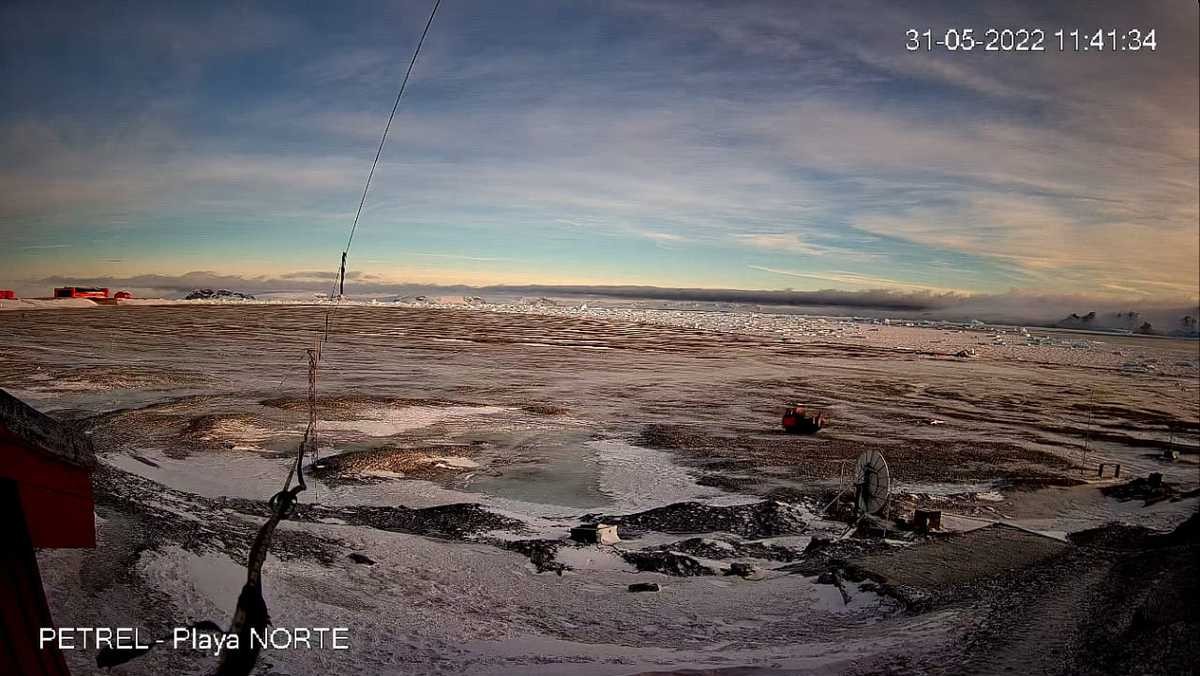
Argentina. The video surveillance project in Antarctica was developed in different bases in order to have 24-hour visualization, increase and improve human contact and connectivity, as well as understand and study more thoroughly the local fauna, maintain contact with scientists and optimize knowledge of meteorology.
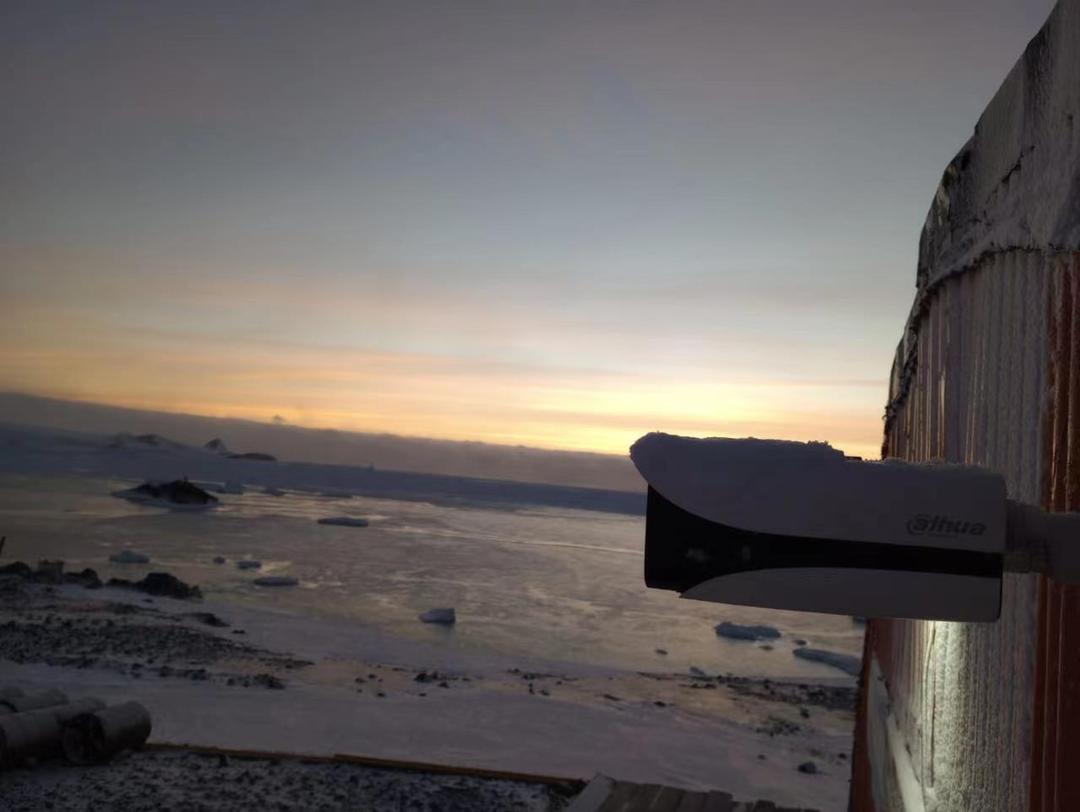
This project had the installation of 15 video surveillance cameras that were specially developed, taking into account the particularity of the area, and donated by Dahua Technology for an area with little connectivity and that did not have cameras installed that connected the general base with the capital of the country.
"The most difficult part of the project was to get the specific cameras that can cope with the low temperatures and climatic conditions that the region suffers to offer an optimal result depending on their need," explained Engineer José Varas, BDM of Dahua Technology.
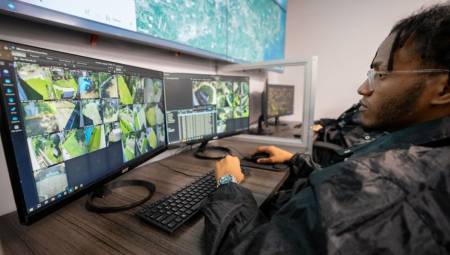
The CCTV project allows real-time viewing in the Joint Antarctic Command building from an external screen. A point that is of vital importance since not everyone knows the existence of this research base.
The integrating company of the project was Mirich Electronic Security, and its president, Javier Sebastián Mirich, shared some experiences that were presented during the installation of this system.
 "The main complexity for the installation was obviously the extreme weather of Antarctica during the winter. With a temperature of -30 ° C that complicated the fixation of the devices by the intense wind, added to the difficulty of manipulating tools with double gloves and the constant rotation of technicians, since you could only stay outside 90 seconds. However, the installation was a success and the cameras are working and withstanding the harsh and demanding Antarctic climate."
Dahua recognizes the support and logistics it received from the Argentine Army through the Joint Antarctic Command that had its resources to guarantee a safe work for the entire team and in turn contribute to the same social and environmental objectives.
"In addition to increasing connectivity and showing more closely the activities that are carried out there such as different environmental studies and the evaluation of the growth of flora and fauna, it also seeks to provide greater security to the runway every time a plane arrives in the region, something fundamental to continue carrying out explorations in this area," added Julia Anschütz, MarCom Manager of Dahua Technology.