All organizations, no matter their size or industry, depend on efficient management of their resources to operate smoothly.
By Diego Cota*
In this sense, keys become relevant since they regulate access to facilities, equipment and processes, which means that poor management of these can translate into economic losses and operational difficulties.
In Latin America, many organizations continue to rely on traditional methods of managing their assets; however, this practice represents significant risks such as the lack of control over access that can lead to theft, intrusions, failures in operational processes and even affects the safety of personnel.
Without proper management, companies face losses due to lost or misused implements, in addition to a reduction in operational efficiency by not having the necessary resources at the right time. In sectors such as health, industry and logistics, among others, the lack of control in the supervision of equipment can compromise operational continuity, safety and quality of service.
Advanced technological solutions for the secure control of keys and equipment
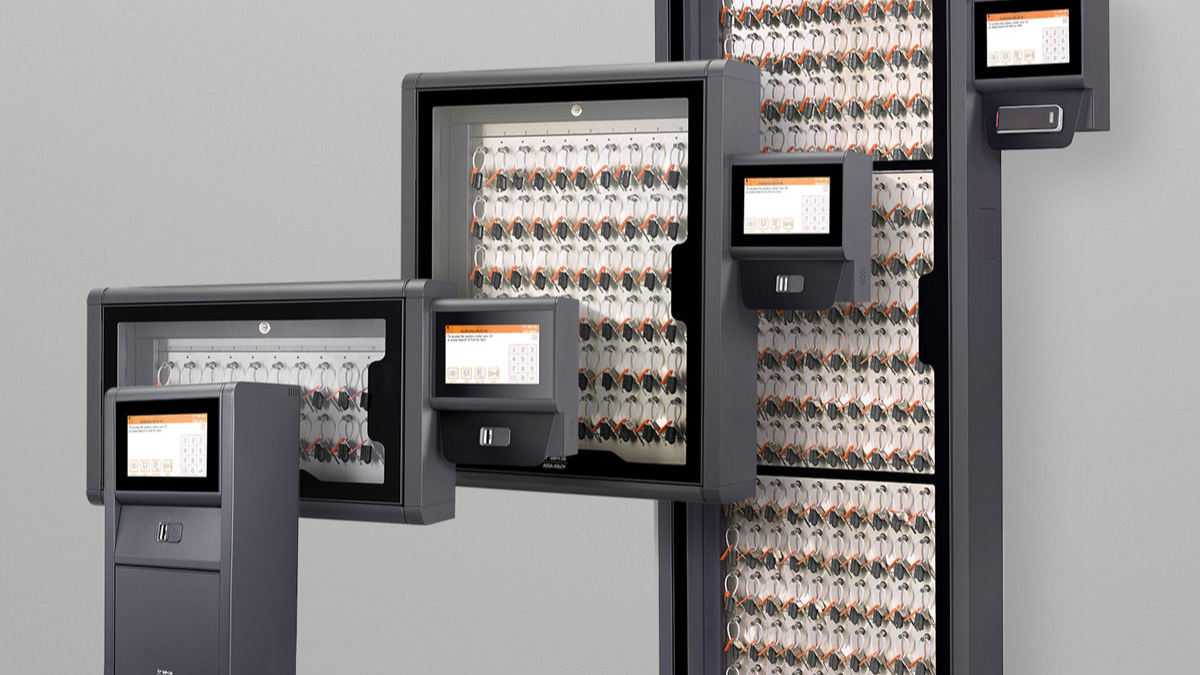
In the face of these challenges, various technological solutions have evolved to provide efficient and secure management of keys and physical equipment, such as smart lockers and electronic cabinets that automate the delivery and tracking of critical resources such as development laptops, test cell phones, radios, tablets, life support systems, personal protective equipment, and objects that must be constantly monitored.
In addition, in sectors where security is essential and requires more robust measures, such as law enforcement and private surveillance agencies, the control of keys and equipment requires state-of-the-art measures to guarantee restricted and supervised access, such as in gun shops, where it is ensured that an agent has access to certain keys and can only remove firearms using his fingerprint or an access card. provided that you have additional authorization from another agent, a strategy that minimizes the risk of unauthorized access.
These electronic cabinets have readers and advanced technology to integrate with access management platforms, which, in turn, connect with broader security control systems, allowing centralized and dynamic administration, thus facilitating the assignment of permissions and applying restrictions according to predefined roles, which is particularly valuable in industries where security and control of critical elements are a priority.
The benefits of adopting smart key management
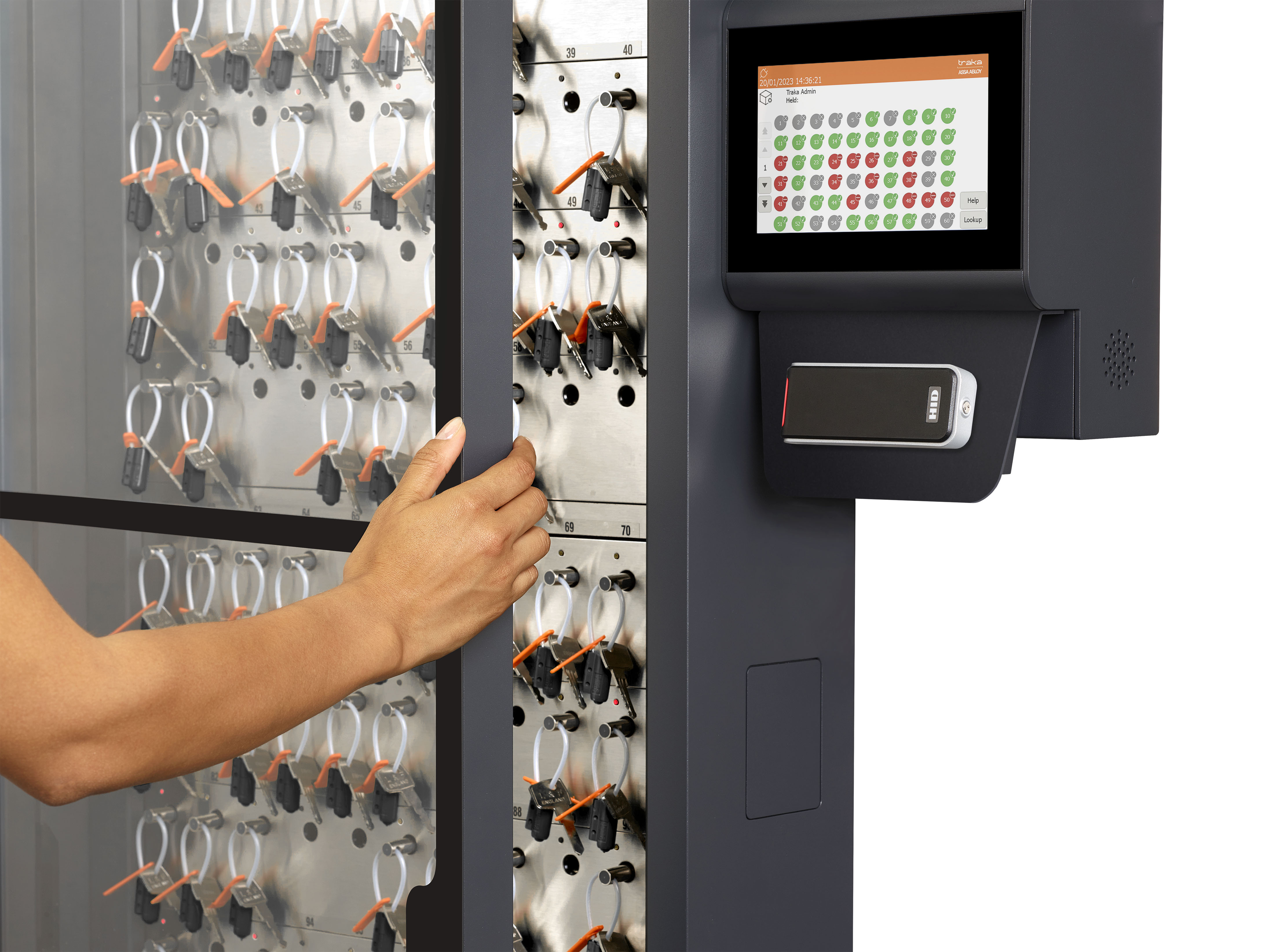
The adoption of advanced technologies for key management brings tangible benefits in different sectors: in the manufacturing and logistics industry, for example, the automation of access to tools and vehicles improves productivity and reduces the time lost in the search for resources; In the healthcare sector, these systems ensure control over critical equipment and sensitive medications, minimizing risks and ensuring their availability when needed.
In business environments with high staff turnover or in industries where instrument protection is critical, such as private security or retail, these systems offer an additional layer of protection, by eliminating reliance on manual, decentralized methods. In this way, companies can reduce operating costs, improve the traceability of their resources and strengthen their security policy.
In an increasingly competitive market, where security and efficiency are differentiators, having a key management solution becomes a strategic necessity for organizations looking to optimize their operations and protect their resources.
*Diego Cota, Regional Sales Manager for Traka.