

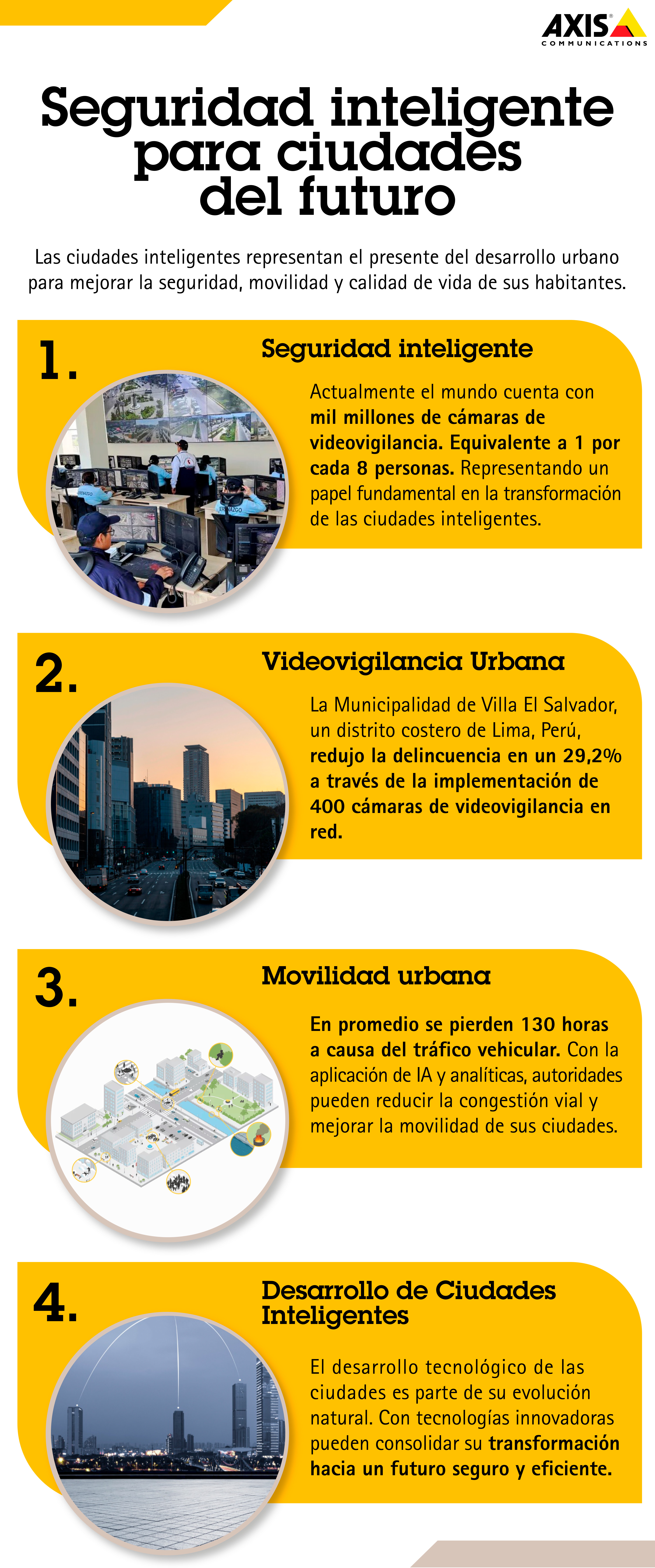
Smart cities represent the present of urban development, where technology and innovation combine to improve the safety, mobility and quality of life of citizens. With more than one billion surveillance cameras in the world, equivalent to one for every eight inhabitants, video surveillance plays a fundamental role in the evolution and protection of cities.
By Luis Bonilla
As the urban population continues to grow, with an estimated 5 billion people by 2030, it is crucial that cities implement efficient technological solutions to ensure safety and resource optimization. For this reason, it is important to develop innovative scalable solutions that allow you to make the leap.
 Urban security and intelligent video surveillance
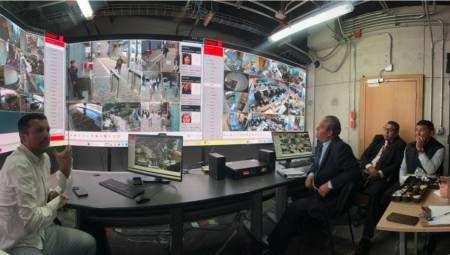
Law enforcement agencies face increasing pressure to respond quickly to crime, despite limited budgets. Thanks to advanced security solutions, response times can be optimized and effectiveness in crime prevention can be improved. An example of this are cameras with high definition and integrated video analytics that allow us to understand what is happening outside and thus detect patterns that can anticipate incidents and generate automatic alerts. Integration with loudspeakers, SOS poles with IP intercoms, and smart lighting can help deter criminal activity before it occurs. These technologies do not replace the police, but they do provide them with more effective tools to protect and connect citizens.
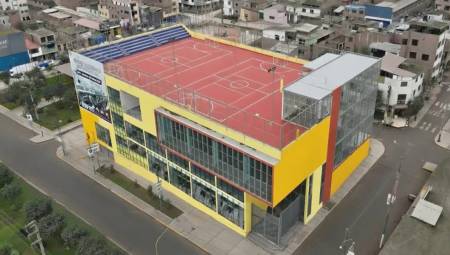
An example of this is the technology implemented in the Municipality of Villa El Salvador, a coastal district of Lima, Peru, which has a population of approximately 432 thousand inhabitants and where crime was reduced by 29.2% through the implementation of 400 high-tech network video surveillance cameras. Among them are 30 cameras with facial recognition and 20 with LPR license plate recognition analytics to identify people and vehicles in real time; plus 150 360-degree panoramic cameras and 200 PTZ (pan, tilt, and zoom) cameras for detailed monitoring
Urban mobility and traffic management
The growth of the urban population generates new challenges in mobility, which affects the economy, the environment and the quality of life. Traffic congestion is increasing more and more, especially in the world's large cities. According to a 2023 Statista study, the cities that lose the most hours in vehicular traffic, on average per year, are Lima with 157 and Mexico City, with 152, followed by Bogotá with 117, Recife with 116 and Belo Horizonte with 109. These data reflect the need for better traffic management by the authorities, an area where video surveillance, analytics and Artificial Intelligence can help.
Through intelligent video analytics, authorities can make better decisions and respond better to various road situations. Solutions based on video analytics enable the automatic detection of road incidents. In addition, license plate recognition helps to sanction infractions and improve security. By using AI-based analytics, it is possible to assess traffic flow in real-time so authorities can make informed decisions to reduce congestion and improve mobility in the city. The use of networked audio allows public administrations to convey important messages, improve the experience of citizens and strengthen the sense of security in public spaces.
Technological development is not only the natural evolution of any city, but also promotes better communication between citizens and authorities. With the integration of innovative technologies such as Deep Learning and Artificial Intelligence, a single smart security device can provide multiple, cost-effective solutions for different spaces. With the evolution of modern technology, interconnected smart cities can solidify their transformation towards a safer and more efficient future.
 *Luis Bonilla, manager of business development and sales engineering for Latin America at Axis Communications.