
Colombia. A recent report by the United Nations Office for Disaster Risk Reduction (UNDRR) indicates that in Latin America only 30% of the resources allocated to emergencies are used in effective response actions, which shows a gap between planning, prevention and the capacity to react on the ground.
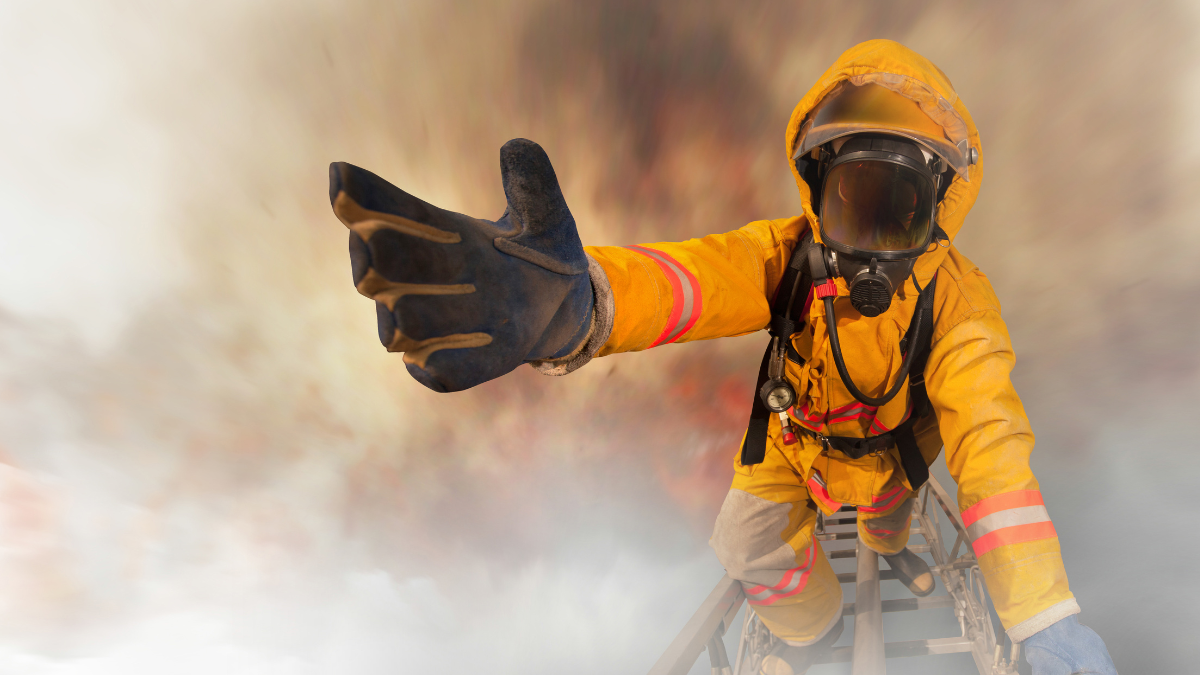
In Colombia, where the presence of energy, chemical and mining industries exposes communities to high-risk incidents, the first hours of an industrial emergency are decisive for the protection of lives, ecosystems and critical infrastructure.
"Specialized training is the bridge between the will to serve and the real ability to save lives. Preparing teams to react from the first minute not only reduces the impact of emergencies, it also protects the development and safety of our communities," said Carolina López Pérez, technical manager for Latin America at SACS Group.
According to data from SACS Group, every minute gained in the initial reaction can reduce the magnitude of potential damage by up to 50%, by containing the focus of the incident and limiting its spread. Controlling an event in its first hours represents an economic saving of close to 40% in infrastructure restoration and asset replacement, in addition to reducing environmental and human health impacts.
The organization maintains that the ability to act with immediacy reinforces the coordination and operational efficiency of emergency teams and contributes to generating greater trust with communities, authorities and strategic allies.
"The first moments of an emergency are the ones that weigh the most in the balance. There is no technology or resource that compensates for the lack of preparation in those critical hours. That is why investing in realistic training and simulation is, ultimately, investing in resilience," López Pérez added.
The capacity for immediate response is proposed as a pillar for the industrial sector and for national security. According to the report and the experts consulted, the challenge is not only to react, but to do so in advance and preparedness, preventing a contingency from becoming a disaster.