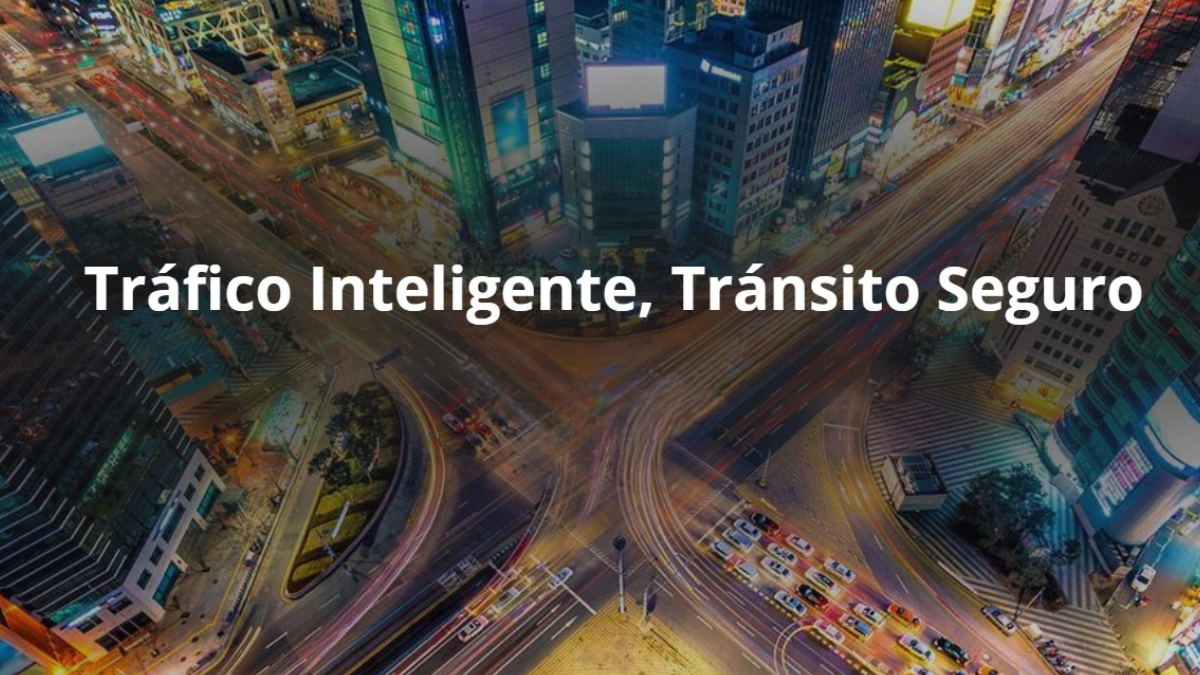
Latin America. Progressin urbanization, the increase in the number of vehicles and the increasing demand for public transport are promoting changes in the administration of mobility in the city.
In this scenario, the incorporation of technological solutions emerges as an essential instrument to enhance the safety, efficiency and operation of transport systems.
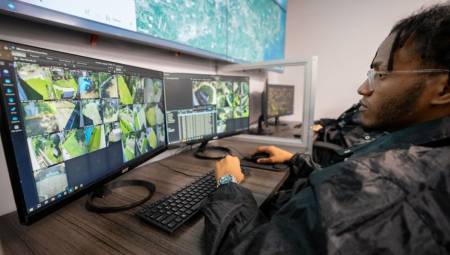
Research conducted in Mexico by the Institute for Transport and Development Policies (ITDP) and the Inter-American Development Bank (IDB), conducted in Mexico City, Guadalajara, Mérida and Monterrey, documents advances in the digitalization of public transport, such as the use of data for decision-making, the implementation of electric routes, unified payment systems and mobility management centres.
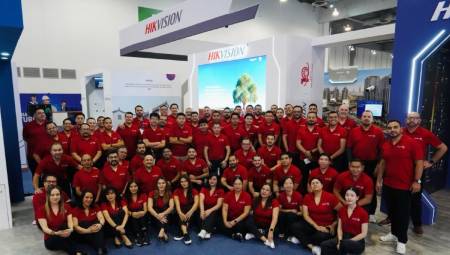
Following these advances, the company Hikvision presented a set of technologies applied to mobility at Intertraffic Americas 2025, focused on traffic regulation, infraction management, road safety and the operation of public transport.
"Hikvision's participation in Intertraffic Americas 2025 was an opportunity to show how the convergence between artificial intelligence and perception technologies (AIoT) can contribute to the construction of safer, more connected and sustainable cities," said Fran Sánchez, Director of Marketing and Communication at Hikvision Mexico. "By incorporating these tools into transport systems, not only is operational efficiency and user protection enhanced, but the impact on the environment is also reduced, laying the foundations for more responsible and resilient mobility in the long term."
Presented by Hikvision, smart mobility solutions:
Urban Traffic: Smart cameras and traffic light controllers make it easy to detect speed, identify vehicles by color, make, or model, read license plates, and dim lights to speed up traffic, especially in emergency situations.
These solutions aim to meet current mobility demands through technological instruments that fit various urban contexts, such as airports, bus stations, metro stations, and urban or interurban routes.
The implementation of these systems is in line with digitalization processes that, according to the ITDP and the IDB, will be crucial to address mobility challenges in expanding cities.