
International. HID released its 2024 State of Physical Access Control report, highlighting five key trends that are defining the future of the industry.
For the report, produced by IFSEC Global in partnership with HID, more than 1,200 security professionals around the world were surveyed. Administered between November 2023 and January 2024, the survey reveals the following five trends:
1. The widespread use of mobile access and digital IDs is expected
While physical IDs are still common in the access control industry, there is no doubt that mobile access credentials and IDs
digital are rapidly gaining traction.
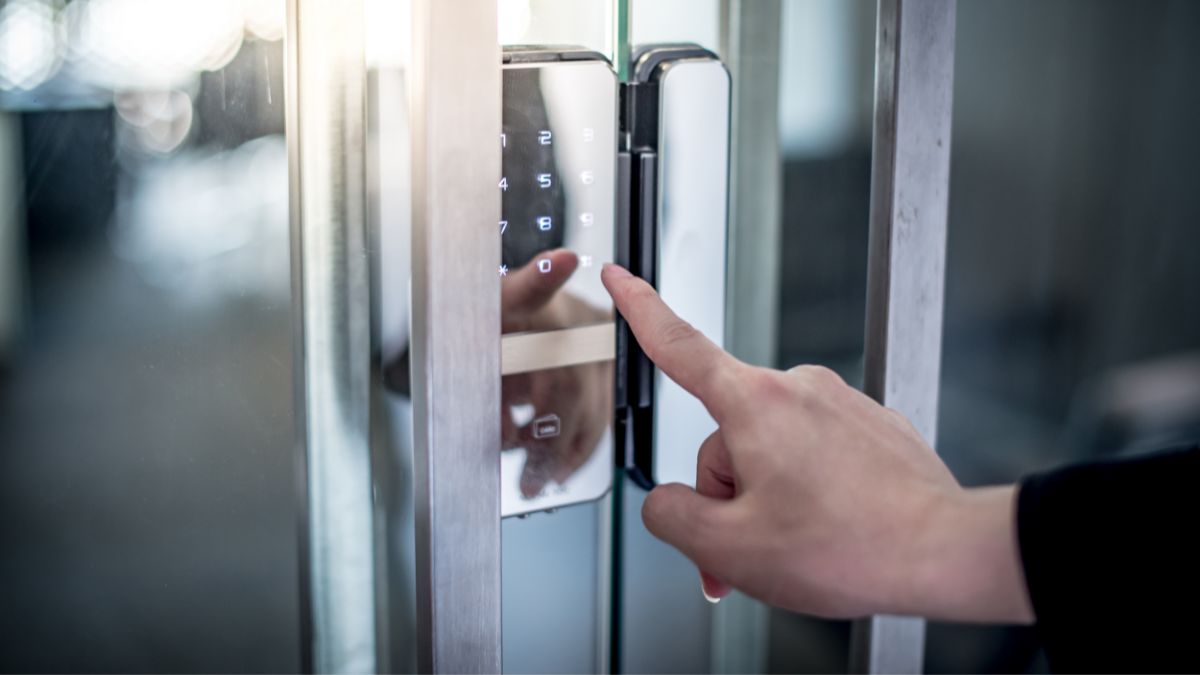
According to this report, nearly 2 in 5 organizations (39%) are already actively using mobile identities. Respondents point to contactless solutions (48%) and mobile access (44%) as the two most important trends shaping the access control industry as a whole.
2. Open standards promote the phenomenon of smart buildings
Open standards have become determining factors for the adoption of more converged security solutions, in which the data collected by physical access control systems helps not only to decide who should be admitted to the building, but also how to optimize the use of physical spaces. As the report shows, nearly half of organizations (48%) already have access control or credential scanning systems in place to monitor facility usage throughout the day, at least partially.
Likewise, 43% of respondents indicated that smart buildings and flexible workspaces are among the top three trends that are influencing
in the access control industry as a whole. Integration with other operational areas of organizations was also considered an important trend by one in three respondents (32%).
3. Sustainability gains prominence in companies' decisions
Sustainability is having a significant influence on access control, with nearly two-thirds (63%) of respondents saying that sustainability managers in organizations have some impact or are comprehensively consulted on decisions about upgrading physical access control systems.
4. The significant growth in the use of artificial intelligence in data analytics
The use of the functionalities provided by artificial intelligence in physical access control is becoming more prevalent, thanks to the continuous development of AI technologies and the increase in technical competence in this field. When asked if they were considering incorporating AI/machine learning into their access control solutions, 38% answered yes (although the same percentage expressed uncertainty about the benefits). Only 23% said they had no plans to incorporate AI technologies.
5. Increased relevance of biometrics, especially contactless solutions
The biometrics market is expanding at a rapid pace. By 2031, the global market is expected to reach a value of $136.18 billion. In particular, the global facial recognition market is projected to grow to $16.74 billion by 2030, compared to $3.83 billion in 2020. This represents a compound annual rate of 16% from 2021 to 2030.
All of the data provided in this press release comes from the full report, which takes an in-depth look at the factors that are driving and will drive the physical access control industry in the future. Read the report at this link.