

International. With the growing adoption of the cloud, the rise of hybrid work, and the high demand for interoperable technology in the workplace, access control trends have changed to deliver what businesses need to stay competitive and secure.
According to Avigilon, automated access control will help eliminate threats from criminals and hackers, providing a higher level of security. By combining more innovative technologies with surveillance systems and using AI analytics, it will be easier to manage revenue in a secure area, while tracking and analyzing patterns and trends.
The company, which specialises in video surveillance and video analysis solutions for security, proposes eight technological trends for access control.
Cyber and physical security
The convergence of the two stands out as a fundamental influence on the future of security. While not new, the proliferation of IoT devices is leading businesses to approach security more holistically. Merging cyber and physical security infrastructures promises to improve efficiency, eliminate redundancies, and foster cross-team collaboration, thereby strengthening organizational security posture.
Contactless access
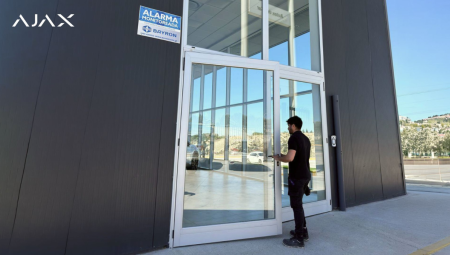
Another key trend is contactless access technology, which is gaining popularity in high-traffic public and commercial spaces. Leading solutions in this trend eliminate the need for physical contact or badges at the doors. This includes improvements to physical signal settings, motion-sensing technology, and an improved mobile experience.
Remote management
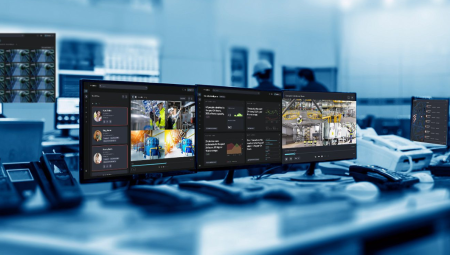
It is shaping up to be one of the most prominent trends for 2024, after transforming security capabilities in recent years. Remote management not only helps secure vacant buildings, but also supports hybrid work environments by allowing instant adjustments to permits and door schedules from any location.
Unification of security systems
In contrast to the traditionally siloed operation of access control systems, the trend for 2024 points towards systems that work together seamlessly. The choice of open and interoperable platforms is becoming the new standard for access control and video security, even expanding into visitor management, building management, and analytical tools.
AI Automation
As security and access control technology becomes smarter, automation through AI provides an opportunity to simplify operations. Although it does not replace human verification, AI is valuable for directing security efforts towards critical areas and improving efficiency.
Multi-Factor Authentication (MFA)
This tool has increased in popularity due to its increased security and reliability. In an environment where cybercrime is on the rise, traditional methods are no longer enough. MFA requires multiple levels of authentication, such as facial recognition, fingerprints, PINs, and cards, making unauthorized access difficult.
Hybrid cloud
92% of companies have cloud systems, according to Flexera. While cloud-based solutions are scalable and efficient, hybrid solutions are on the rise, allowing the connection of existing devices to cloud software. This offers flexibility and efficiency without the need for a complete transition to cloud-native solutions.
All-in-one devices
These solutions include access readers with HD cameras, two-way audio, intercom technology, and doorbell functionality. Not only do they reduce the number of devices needed, but they also offer advanced AI capabilities and support remote management, responding to the growing demand for compact and efficient solutions.