 International. The 2019 physical security report by memoori research identifies the 5 most important factors that are helping to shape the future of the business.
1. The wide gap between video surveillance providers
The gap between the major suppliers of video surveillance equipment and the many hundreds of smaller suppliers is widening every year and this is rapidly increasing the minimum economic size to operate profitably in this industry.
Another distortion is being caused by the Chinese market. It accounts for at least 40% of the world's video surveillance consumption and a large majority of this is shared by only 2 Chinese companies (Hikvision and Dahua). These 2 companies now have the scale to exert significant price pressure on the market.
However, some of the major Western/Asian manufacturers, although they had to cut their margins, increased their market share and improved their financial performance in 2019. They continue to invest in delivering better-performing products that have reduced buyers' total cost of ownership and offer products that are more resilient to cyberattacks.
The merger or acquisition between major Western manufacturers could be a possible solution to at least maintain market share, if not increase it. Strong brands with end-to-end solutions possibly focused on a number of vertical markets have proven successful. Having strong partnerships with companies on other Building Automation services is another option for manufacturers to offer open technology for smart cities and buildings.
2. Improving cybersecurity
It is ironic that physical security products, which provide the security of people and assets in buildings and public places, are perceived as high risk for cybercrime.
Those vendors that can demonstrate a high level of cybersecurity meet the most important purchasing criteria today in the enterprise business. Those who sell vulnerable products will find, at best, a decline in their market share and will likely face large financial damages that could severely impact their business.
Physical security manufacturers should take all steps they can to minimize cybersecurity threats. The more the industry integrates with other systems in IP networks, the more important cybersecurity processes and procedures will be.
3. Video Analytics with AI becomes paramount
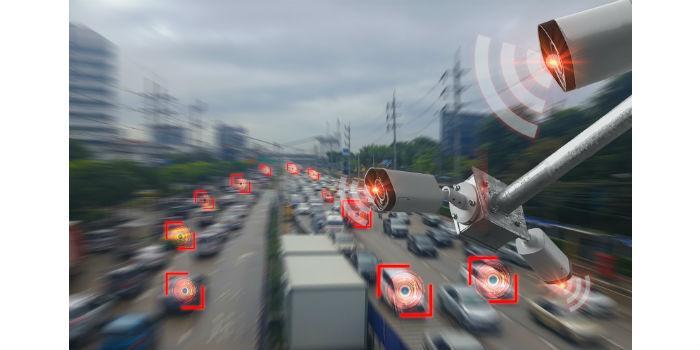
Large sums of money have been invested in AI video analytics startups in North America and China. By 2024 we forecast the market to grow to $3.5 billion. In total, software will account for at least 15% of the video surveillance business, achieving growth of more than double that of hardware sales in the last 5 years.
Much of this will come from manipulating the vast amount of information that is generated from video cameras. AI Video Analytics is a game-changer and will have a huge impact on the video surveillance business. Many companies across the industry are now reviewing how they should apply and incorporate analytics into their products.
4. Integration into all physical security systems
Integration into all types of physical security systems is becoming a regular business for many system manufacturers and suppliers. For physical security systems to integrate effectively with the broader Internet of Things, it will require the formation of strategic alliances between companies across the smart building ecosystem. It will have a major impact on routes to market for manufacturers of physical security products.
5. VSaaS (Video Surveillance as a Service) and ACaaS (Access Control as a Service)
VSaaS and ACaaS services are becoming mainstream, but this has taken much longer to realize than anticipated. Perhaps disappointing, but not totally surprising; When Axis Communications launched the first IP video camera in 1996 and traditional CCTV camera manufacturers took nearly 10 years to accept that IP offered the way forward.
Part of this move toward cloud acceptance can be attributed to IT companies, including Amazon, Google, and Microsoft, which have invested billions in cloud services. These companies provide customers with not only storage but also computing power on a pay-as-you-go basis; including AI video analysis software.
Small and medium-sized businesses are particularly receptive to cloud services, as they eliminate some costs associated with storing and maintaining servers. However, enterprise customers will take longer to move and entrust their data to third parties; in the medium term, preferring hybrid or private cloud offerings.
Source: memoori.