 International. ONVIF® unveiled the launch of Profile D, a new profile that deals with interfaces for peripheral access control devices, providing the market with an additional tool to build integrated, modern and secure, IP-based access and video control systems using ONVIF.
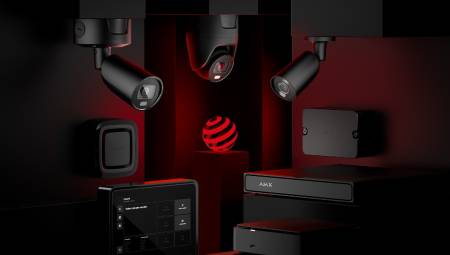
Profile D is designed to provide ONVIF interoperability for peripheral devices such as locks, credential/biometric readers, PIN keypads, vehicle license plate recognition cameras, door phones, sensors, and displays. These types of peripherals commonly require specific integrations between products from different vendors in order to incorporate them into an access control management platform.
"Users are increasingly looking to incorporate additional technologies into their access control systems for their use in innovative ways, such as barcode reading cameras for visitor management or video door entry systems for intercom applications," said Patrik Björling, chair of the ONVIF Profile D working group. "Profile D provides a standardized way to meet this demand for interoperability, which in turn can generate additional opportunities for more peripheral device use cases."
With Profile D, a peripheral device, such as a wireless lock or license plate recognition camera, can pass credential identifiers to a securely located Profile D-compliant customer, such as an access control unit or management software. The client or controller, which stores access rules, schedules, and credentials, can make the access decision and send a command to the peripheral device to grant or deny access, display a message, or request additional input, such as a PIN code. Having sensitive information on a separate controller in a secure area improves security. Communications between the device and the client are protected by ONVIF security protocols such as TLS.
The Profile D specification allows a compliant customer to configure a compliant device with the necessary data, such as which gate and access point the appliance is responsible for, as well as to configure a list of allowed or blocked credential identifiers on a device that supports this capability.
ONVIF Profile D complements Profile A and Profile C by enabling standardized communications in an IP-based electronic access control system. Profile D devices can also support video profiles such as Profile T and Profile M to enable an integrated video and access control system using ONVIF interfaces. Such devices include a door phone that combines a reader and lock with an audio/video intercom, or an IP camera with a relay output connected to a lock that can be used by a guard to visually identify a visitor and unlock the door remotely.
More information on ONVIF-compliant products, including member companies and their compliance models, is available on the ONVIF website: www.onvif.org.