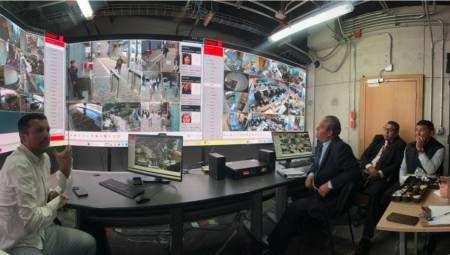
 Ecuador. Quito begins to see the results of implementing IP video surveillance strategies on its streets by reducing traffic violations, crimes and arrests in flagrante delicto, among the benefits.
The security system, which currently incorporates more than 2,500 cameras throughout Ecuadorian territory, has allowed technology to become one of the great allies of the authorities to protect citizens. Traditionally, insecurity in the streets has been one of the scourges with which Latin American cities have had to coexist.
In the country, thanks to the Integrated Security Service ECU 911, 4,381 criminal gangs were dismantled in 2013. This service came with more than 1,700 surveillance cameras that were located in 14 provinces to help fight crime in cities. The government announced that Ecuador will increase video surveillance points by 250 in six border provinces in the north and south of the country. The project is part of the actions that, with a total budget of ten million dollars, will implement ecu-911 between 2015 and 2017.
"An installed camera costs the country about $10,000, but if that single camera stops four or five smuggling processes in the year, it's paid five times." The director of the integrated security service (ECU-911), César Navas, said. "What you're seeing is that security cameras are key video surveillance elements when thinking about solutions to protect cities."
"With the aim of creating a road culture Quito has implemented 63 cameras of photofines that operate since Monday, January 12, 2015 and during the first days of application of the measure there has been a decrease in infractions," said Darío Tapia, director of the AMT. "On Monday 12 345 fouls were validated, on Tuesday there were 339, on Wednesday 271 and on Thursday 247. On the tracks there is more order. Intersections are no longer blocked. Pedestrians have a safe space to navigate."
This is how different governments around the world have understood that insecurity not only prevents people from having a good quality of life, but can also stop relevant government plans related to tourism and investment. Faced with this situation, examples of cities that manage to reduce their levels of insecurity with video surveillance systems in the streets have begun to abound.