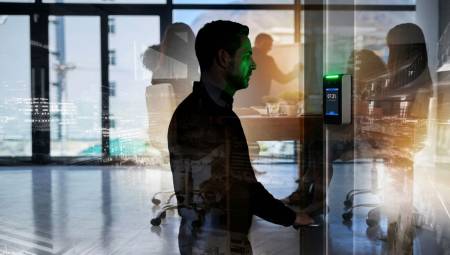
 International. Hospitals around the world are using contactless smart cards to control access to different areas of their facilities as well as sensitive patient data, which has made this sector an important market for the industry.
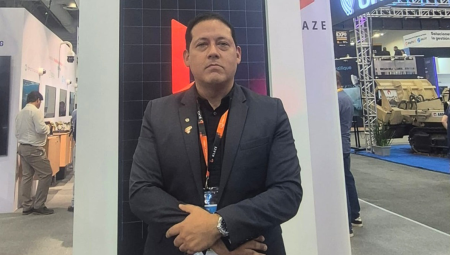
Ismael Dykman, senior sales director for South America at HID Government ID Solutions, shared his impressions of the development of solutions for the healthcare sector by the security industry.
First, he recalled that in the past it was common for people to have free access to different areas of a hospital without major impediments, even accessing restricted areas; but today, with the use of healthcare eID cards, those problems are being solved.
"For example, a cardiology surgeon may have access to operating rooms, while a person in the administration area cannot move through these rooms unless he is granted such access, because this is required by his position within the hospital," he explained.
"Medical professionals can also use smart cards to access sensitive patient information within a network, while patients can use their cards to manage their medical appointments and have access to treatment information, prescriptions, and results of medical studies and online tests," Dykman said.
The official acknowledged that most health centers continue to use more basic access control technologies, such as the credential with magnetic tape, mainly because they are cheaper to produce, although they can become more expensive in terms of maintenance and limited in their storage capacity.
"It's fair to say that the cost of upgrading contactless and multifunctional smart cards may seem like a big hurdle for some hospitals, but the long-term efficiency, cost savings and health benefits of the electronic health ID card are attracting the attention of government agencies around the world." concluded Dykman.