 International. HID Global, a trusted leader in delivering identity security solutions, announced that its mobile access control program developed at Arizona State University (ASU) was recognized by the National Association of Campus Credential Users (NACCU) with the "Technology Innovation Award."
The recognition was granted due to the excellent results in validating the use of digital credentials, integrated within smartphones with NFC technology, to have physical access control to the university campus.
"We are honored that NACCU has given us this recognition for this program, which represents an important step toward the global deployment of mobile technology for access control, beyond digital payment applications," said Debra Spitler, vice president of mobile access solutions at HID Global.
Spitler also added that "The benefits of the program have been clearly demonstrated by having the ability to open the doors using HID's digital credentials, which are securely integrated into smartphones that feature NFC technology. We greatly value all the help from ASU and the partners who contributed to making this program a reality, such as ASSA ABLOY Americas, Device Fidelity, Research in Motion and Verizon Wireless."
In the program that was completed during the summer of 2011, a group of students and members of the ASU academic community were given different NFC-powered smartphones, which included HID Global's Secure Identity Object (SIO) technology, a key feature of the company's iCLASS SE credential reading platform.
SIO technology protects the integrity of identities while enabling the use of multi-factor forms to be used from smartphones to microprocessor-based credentials, contactless smart credentials, as well as other equipment. The SIO technology on the credential side and the SIO processor on the back of the credential work together to execute functions previously performed by traditional credentials and readers, using a flexible data identity structure, regardless of the technology in question and based on standards and which significantly improves security, portability and performance.
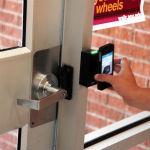
Participants in the ASU pilot program gained access to their residence building and pre-selected rooms by placing their phones in front of readers located at the doors, just as they already did with their current physical identification credentials based on iCLASS technology. Participants used different types of the most popular smartphones on the market, which were connected to major mobile networks.
In an initial feedback, approximately 80% of ASU participants reported that it was more comfortable to use the smartphone to open and close accesses, than with a smart ID credential. Nearly 90% said they would like to use the smartphone to open all the doors located on campus. Since the pilot has focused on physical access, participants expressed interest in using their smartphone for other applications such as access to the student recreation center, as well as being able to pay for their food, tickets or merchandise offered by the university.