
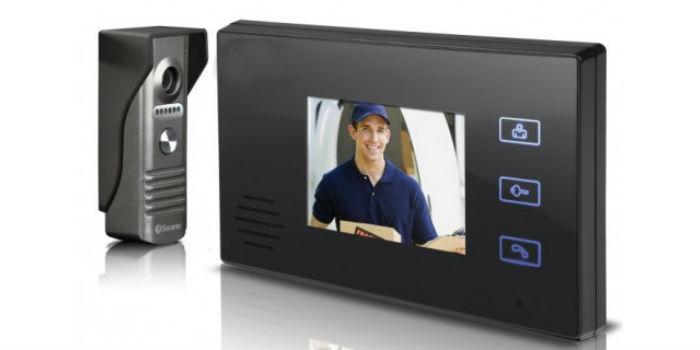
 International. Recently, Anna Sliwon, a residential security analyst at IHS Markit, said in one of her reports that as the popularity of video intercoms increases, homeowners may become more comfortable with video cameras in their homes.
Detail in the report that for many homeowners, a video intercom is their first experience with an IP camera. That is why it is important to get a good feeling when it comes to its installation, the configuration of the application and the way to use it, this in order to build a lasting relationship of familiarity between residential consumers and network video cameras.
This, Sliwon notes, increases consumer awareness and reduces privacy issues, two of the main barriers responsible for slowing down home video in the past.
This also has the advantage of being an integration alternative with other electronic security systems, for example video intercoms with alarm systems. Since if combined with an electronic lock, this would allow the user to allow someone access to their home safely from anywhere with a Wi-Fi connection.
The report also states that an increase in the popularity of video integration with intrusion alarm systems creates new opportunities for product development and marketing. In addition, it allows integrators and installers to increase camera sales as part of their standard offering and offers manufacturers the option to boost their sales in a new market niche.
With a global market size of $78 million in 2015, video intercoms are just beginning to gain traction among residential consumers. IHS analyst Markit forecasts that the global market for this segment will experience a CAGR of 28 percent over the next five years. As the market continues its rapid ascension, partnering with video intercom doorbell providers could be lucrative for home alarm manufacturers and service providers. Another option, the report highlights, would be to work with third-party integration software vendors.