 Colombia. Fortinet issued a series of tips for Smart Locks users, which are used more widely and in a greater number of applications in the Asia-Pacific region.
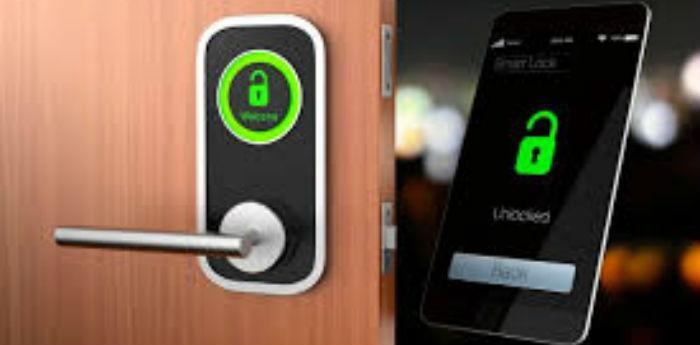
The padlock and key were created more than 4,000 years ago, when humans reached a point in their evolution where they sought greater privacy and kept their possessions safe. At first, these objects were made of wood but over time, their manufacture evolved to make them of metal. In recent years, metal keys have been replaced by smartphones or smartwathes, but the padlock still exists in its original form, although it is also getting smarter. Electronic locks can be integrated through software and remote sensing technology to be opened remotely, without the need for physical contact.
The Smart Lock market is huge. Analysts have predicted that this global market will grow more than 10-fold over the next five years, reaching profits close to $3.6 billion by 2019.
"With technology permeating every aspect of our lives, today's consumers have become accustomed to performing their daily tasks quickly, simply and elegantly. The Smart Locks, which allow hands-free operation, access to your management and remote monitoring of activity, go perfectly with your lifestyle," said David Maciejak, Head of Fortinet's FortiGuard Lion R&D Team in the Asia-Pacific region.
Smart Locks can be programmed to open or close based on the distance between the key and the lock, through a function called geo-fencing. Access to management, on the other hand, allows the owner of the lock (for example, a person who rents their home through Airbnb), to grant access to specific devices of their guests, sending them a virtual key and revoking it once the lease has ended. Remote monitoring tops all of the above, allowing the lock owner to receive alerts and keep a log of the times the padlock was opened or closed.
However, there is a downside – the software on which the current Smart Locks are based are very easy to hacker. The most careless users transmit their codes in simple text, allowing hackers to intercept them through network trackers (sniffers). Others take advantage of the weakness of cryptographic standards, which leaves the door open for cybercriminals to choose and store the signals when the padlock is used to then forward the signal and, in that way, open the device.
Electronic keys can also be forged. Each Bluetooth device has a unique 6-byte address, most of the time it is presented as a 12-digit hexadecimal value. This is similar to the hardware address that MAC uses in the Ethernet world. Experienced hackers can easily clone the address of a Bluetooth device, obtaining the "key" to open a Smart Lock.
Like many other things, the best quality Smart Locks (for example, those with maximum security), are of higher price. Consumers who want to use Smart Locks should be prepared to pay more for greater security.