International. In a world where places of worship serve as the heart of communities, the importance of their safety cannot be underestimated, says the company RecFaces.
"Regardless of religion, sacred spaces are the basic elements of spiritual worship and practice that create unity, provide comfort, and also affirm the customs of followers. From mosques to churches, temples to synagogues, the safety of these sources becomes the top priority. It is a fundamental necessity of religious freedoms to promote public tranquility. Therefore, this makes it crucial to manage the complexities of such places so that people can worship or simply express their spirituality in a free way without any fear or concern," the company said.
Religious institutions around the world face a wide variety of security threats, from cases of vandalism, theft, religious hate crimes to terrorist attacks. Such hostilities not only pose a physical danger to spiritual seekers but also destroy prayer spaces and deprive them of the peace and harmony they are meant to maintain.
According to RecFaces, a possible answer to security issues in worship can be found through Facial Recognition Technology. By embracing the power of sophisticated algorithms and biometric analytics, facial recognition technology makes it possible to strengthen security measures while protecting the sanctity of worship environments.
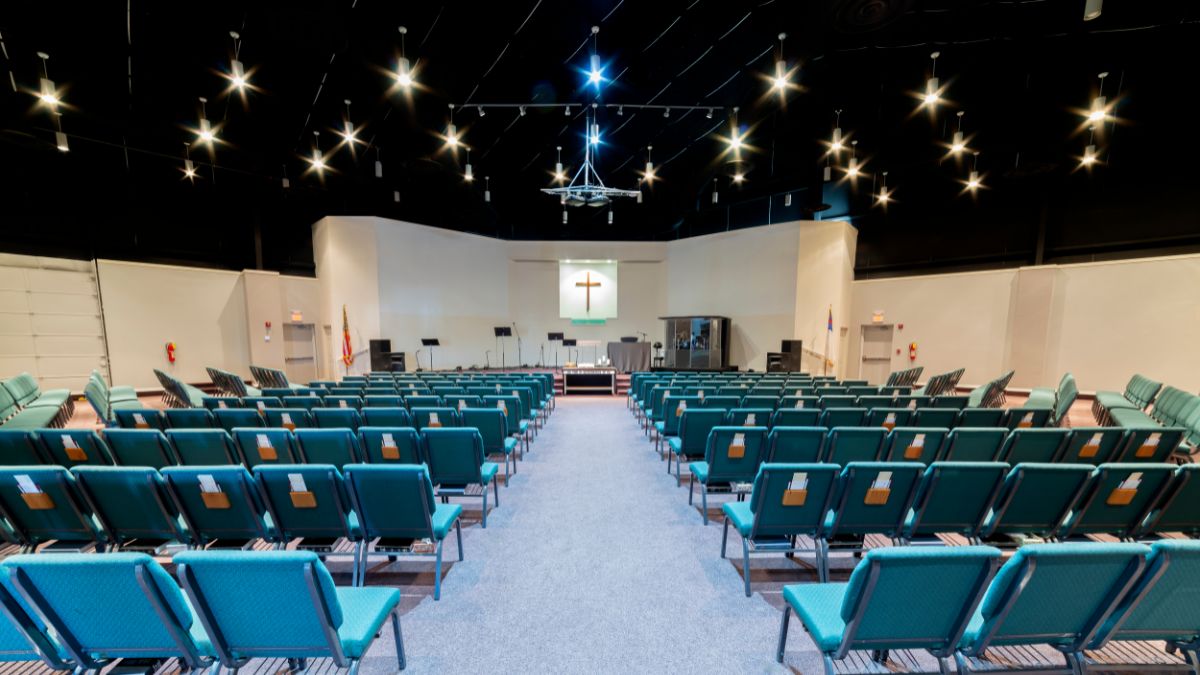
Security of places of worship
For the past few years, religious communities have been at the intersection of issues that undermine the security and integrity of these holy sites. From metropolises to picturesque rural areas, many religious institutions of any denomination, varying in size and following, have been traumatized by security incidents, which transcend geographical boundaries and, conversely, transcend religious affiliations.
Events such as the destruction of religious symbols, property, and the desecration of holy sites make believers feel victimized and offended. Similarly, thefts that target valuable religious symbols, artistic pieces, or money donated to charities, bring criminals material gains and manage to affect the trust and goodwill of society.
In the Americas, 15 out of 35 countries (43%) experienced incidents involving damage to religious property. These statistics emphasize the urgent need for concerted efforts to maintain and protect religious freedoms around the world.
Amid these challenges to the sanctity and safety of places of worship, events like Día de los Muertos serve as a testament to the resilience and importance of religious and cultural traditions. The Day of the Dead, which is celebrated
predominantly in Latin America, it is a time to honor and memorialize loved ones who have passed away. Its significance lies in its fusion of indigenous and Catholic beliefs, demonstrating the region's deep cultural heritage.
Amid the vibrant Day of the Dead celebrations, however, safety concerns remain. The influx of visitors to cemeteries and other sacred sites during this time can lead to an overload of resources and
infrastructure, leading to overcrowding and potential safety hazards. In addition, heightened emotions and social gatherings can attract opportunistic criminals, posing a risk of theft, vandalism, or other disturbances.
During such special events, managing a considerable number of people in the limited space of the prayer structure can be difficult. Overcrowding can cause accidents and stampedes.
Improved security
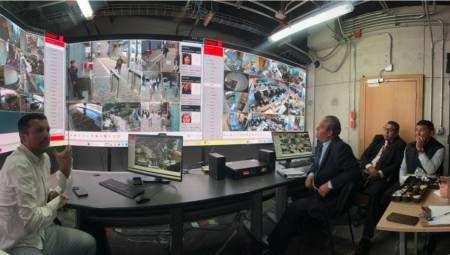
There is a need to strengthen security measures to protect places of worship and believers who, for the most part, want to see a range of physical solutions. This includes the strategic deployment of an advanced video management system that serves a dual purpose.
First, this provides close surveillance of access points, increasing situational awareness and the ability to detect threats. Second, with its ability to capture incidents in a discreet manner, including
physical attacks and verbal abuse, the video surveillance system becomes an indispensable tool to preserve the sanctity of these sacred spaces and address security problems.
However, the use of facial recognition systems not only allows existing video management systems to know what has been happening, but also places the identification of persons of interest in a prominent place, developing the ability to prevent any public order problems. Consequently, the responsiveness of the authorities in this matter is very important in preserving the sanctity of these shrines and improving the overall emotional state of believers.
In addition to numerous religious institutions, facial recognition technology is currently used to ensure the safety of believers.
Facial recognition systems can be applied as an important tool for crowd management. Authorities are able to identify gathering places for large groups of people and predict events that could lead to blockages or congestion with facial biometrics systems. This allows for instant monitoring of crowd flows and their density. At the same time, such systems have the potential to target those who might be the ones inciting violence or spreading unrest. This creates an opportunity for targeted interventions, resulting in a reduction of tensions and the establishment of order.
Combining facial recognition technology systems with perimeter intrusion detection is also a powerful solution. Picture this: as an individual approaches the perimeter, cameras with facial recognition systems identify their face in seconds. The system then calculates the matching score and makes a comparison with the database of registered faces to verify if that individual is allowed to be inside. If the facial recognition system detects an unauthorized presence, alerts are sent to security personnel. This combination of technologies not only makes threat identification more accurate, but also provides adequate responses in a short time, ensuring the safety and sanctity of such sacred areas.
Physical security solutions are essential for believers to feel safe, but aesthetic considerations of associated spaces are equally important. While the design of an on-site security system should serve to protect authorized persons from trespassers and help prevent crime, it also needs to be welcoming and instill a sense of security. A delicate balance must be struck between efficient security and the aesthetics of places of worship.
By encouraging ongoing assessment, community engagement, and ethical reflection, faith-based institutions can harness the potential of facial recognition technology to create safer and more welcoming spaces for believers. The ultimate goal is to strike a balance between the requirements of safety and the values of an open and inclusive system of the practice of religion where individual rights are truly respected.
However, joint efforts and smart decision-making ensure that technology is used as a tool for harmony and spiritual education during worship.
 "The implementation of facial recognition systems in places of worship offers a proactive security solution, ensuring real-time monitoring of entrances and rapid identification of potential threats. By integrating advanced technology and preserving the sanctity of these sacred spaces, we prioritize both safety and respect for religious traditions," says Maria Kazhuro, Business Development Manager for the Latin American region at RecFaces.