
International. Maintaining high health safety standards to sustain business operations and comply with new and emerging compliance regulations is of paramount importance to professionals in the global food processing and manufacturing industry.
ISS's AI-powered video analytics solutions employing Intel's cutting-edge processing technology provide food suppliers and manufacturers with new intelligent solutions that automate critical security measures with extreme precision and precision while reducing time and costs.
The World Health Organization estimates that approximately 600 million people a year suffer the effects of food products contaminated with biological or chemical substances. Most of these events were the result of poor quality control standards or deliberate employee actions. The global pandemic has only increased the focus on health safety issues, making compliance with government and industry mandates even greater impact on business operations.
Alarming cases of widespread pollution
For example, in 2006, a large UK confectionery group sold more than a million chocolate bars contaminated with salmonella bacteria. A year later, a U.S.-based meat processor recalled 21.7 million pounds of burgers because they contained dangerous levels of E. coli bacteria. . And in 2013, a Japanese company had to recall six million packages of frozen food after an employee contaminated the products with a pesticide, making 2800 consumers sick. In addition to the possibility of causing illness or death, companies forced to recall products face severe financial challenges, including product loss, potential lawsuits, and distrust from consumers and investors.
Manual operations remain essential
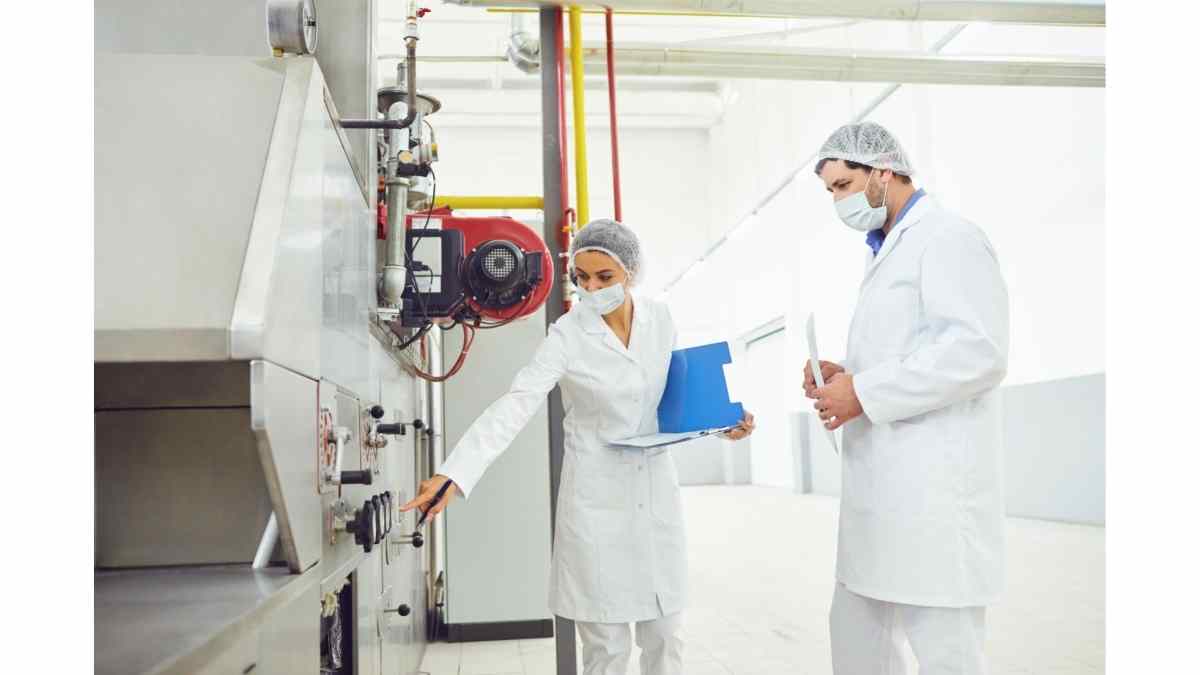
Despite extensive automated manufacturing operations, food processing still relies on a great deal of manual labor, which presents the possibility of human error. Contamination can occur due to poor quality control, such as lack of hand disinfection or improper use of protective equipment.
There are now smart analytics that can be easily implemented using conventional video camera systems that give the food industry the ability to autonomously monitor food production cycles to ensure they meet proper health standards.
Machine learning analyzes human movement
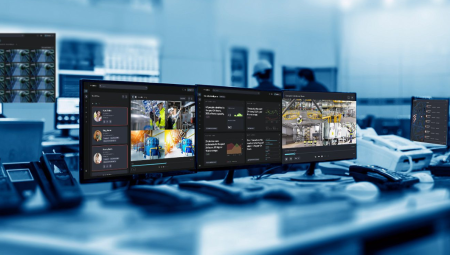
ISS's SecurOS™ intelligent video surveillance platform, developed in conjunction with Intel technology, functions as a 24/7 virtual health and safety officer. The advanced and cost-effective solution achieves this by combining advanced analytics developed with Intel Open Vino with Intel 3D camera technology to track the movement of key points in a person's skeletal structure, including the head, shoulders, elbows and hands, effectively detecting and analyzing workers' movements.
This allows the SecurOS solution to distinguish the difference between acceptable and prohibited behaviors, such as when someone reaches a receptacle containing exposed food products, enters a prohibited area, or performs an action such as climbing a ladder to adjust a device during production. When such a violation is detected, the system automatically alerts supervisors electronically and/or emits audible alarms. The system captures data on all events and activities, and generates reports detailing violations without the need for human intervention.
Additional modules expand security options
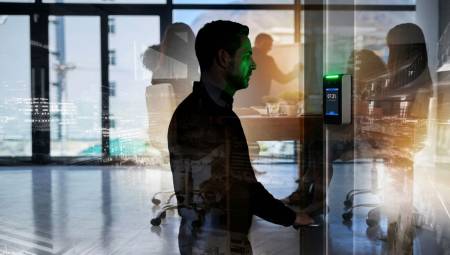
The advanced SecurOS platform is scalable with modules specially designed for specific health and safety applications, including helmet, helmet and mask detection, and hand sanitization monitoring. The solution also features FaceX facial recognition technology for personnel identification and authentication, allowing the system to detect and analyze whether an unauthorized person has entered a sensitive or dangerous area.
FaceX also provides the ideal access control accreditation solution (face as credential), while also determining whether individuals use the required personal protection and follow mandatory processes and procedures. A contactless solution, FaceX can help food industry operations meet increasingly stringent requirements for today's challenging healthcare safety environments.
Source: ISS.