
 Mexico. On August 30, the 2021-2022 school year began in person, since the Ministry of Health reported that Education will be an essential activity, so it will not be subject to restrictions and although the epidemiological traffic light is red, classes will return in person throughout Mexico.
The return to school has a new meaning, as it is accompanied by a new set of concerns for parents, teachers and managers, in the face of a new reality in the face of COVID-19. Schools will now need to balance the educational, social and emotional needs of students along with the health and safety of students and staff.
Schools must implement safety measures such as changes to classrooms, hallways, cafeterias and buses to ensure social distancing; for this, they can use and extend existing technology to collect actionable data in order to protect students, staff, and the communities around them.
2021-2022: an academic year unlike the others
To make returning to school safer, educational institutions should, in addition to reducing class sizes, convert non-academic spaces into classrooms, invest in thorough and periodic testing, cleaning materials, and improve ventilation systems; make use of other strategies that allow them to be effective in minimizing the risks of their community.
According to Genetec, a leading provider of unified security technology, public safety, operations and business intelligence solutions, schools must draw on existing physical security technology and systems to address their changing needs.
Use of physical security systems for occupancy management
Research has shown that one of the keys to controlling the spread of the virus is to reduce the time individuals spend in close contact with each other, when in enclosed spaces. This can be really difficult to apply in any organization, but it is a particular challenge for schools due to the groupings in one place for extended times. Hence, many are looking for solutions that help them manage the occupation in order to limit the risk of transmission of COVID-19.
This means, first of all, defining the maximum capacity allowed in enclosed spaces, as established by local authorities and medical experts. Next, they must count exactly how many people are in each environment at all times. And finally, they must be able to rapidly increase or decrease the number of people in a given space before it reaches its permitted threshold.
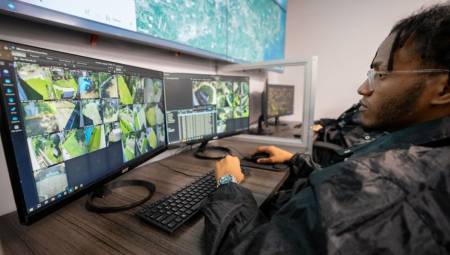
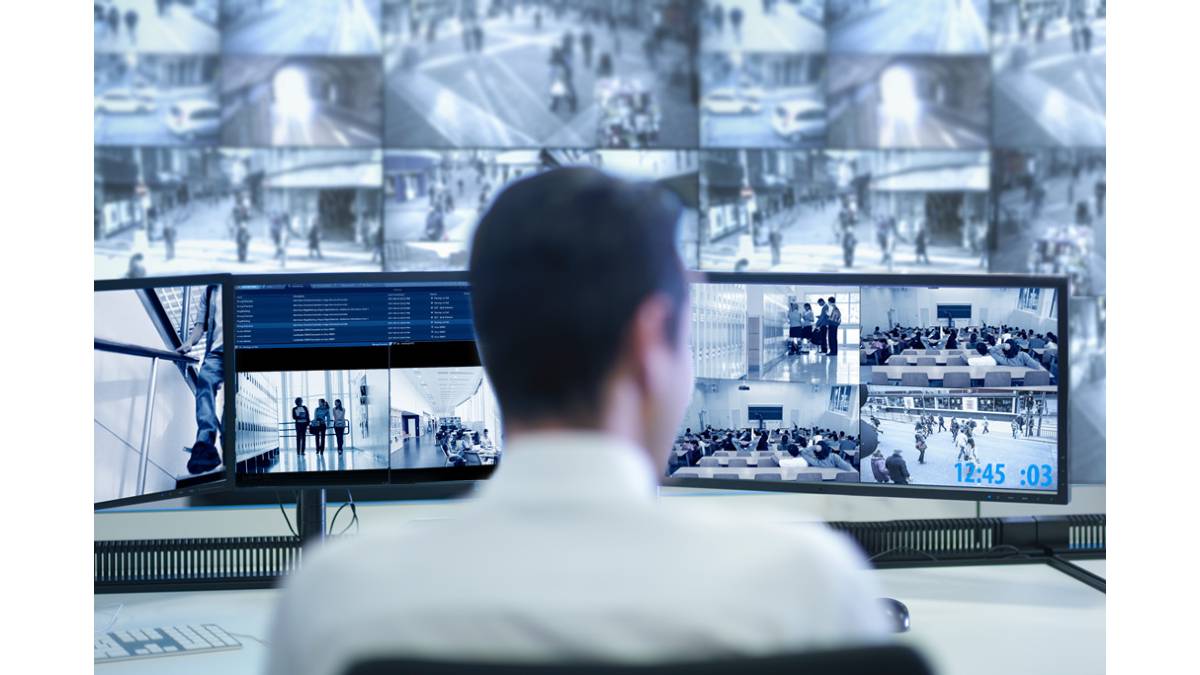
Since physical security systems already help many schools keep track of who is in their facilities, it makes sense to think of ways to also use these systems to manage occupancy and density. Adding analytics to an existing video surveillance system can provide schools with the basic technology needed to achieve effective management of the occupation of their spaces.
Physical security systems allow schools to operate within established guidelines for occupancy density, while leveraging existing systems to redefine their strategy and respond to new risks.
Today there are solutions that allow you to count the number of people in a building, visualize the data and send alerts to administrative staff when occupancy limits are reached. In addition to providing demonstrable compliance with local regulations; this approach is undoubtedly considerably less expensive and more effective vs. the use of dedicated counting staff.
Once thresholds are set for all areas of the campus, institutions can use their access control systems to automatically manage the number of people in an area, setting schedules for all members of the community.
Do not lose sight of the administrative staff and students, so it is significantly important to assign them a specific schedule in which they can enter spaces, such as cafeterias or gym facilities. In this way, if someone uses your access control card outside of your scheduled hours or if the area is already at the limit of its capacity, the access control system will ensure compliance with the regulations by not allowing you to enter.
These occupancy management solutions can also be used to report on other activities, such as cleaning processes. In the past, cleaning was done on a pre-set schedule, now the system can notify cleaning staff when to clean a bathroom, for example, based on the number of people who have used it.
Support contact tracing and screening procedures
We also know that contact tracing is important to stop the spread of the virus. But doing it manually is time-consuming, ineffective and expensive. And what's worse, it's prone to errors, which means people might not be informed about possible exposure.
Instead, using the data already collected by this type of technology can give institutions a clear picture of where and when faculty, students, and staff have been. From this data, administrators and health officials can determine who else was in the same space and for how long. The system can then notify anyone who may have been exposed to the virus, that they should check for any symptoms, get tested, or quarantine.
Schools around the world have also put in place screening procedures to try to minimise the risks of outbreaks. However, they often have to rely on manual processes that are time-consuming and error-prone. To address this challenge, technology automates the review process of students, staff, and visitors entering school premises.