
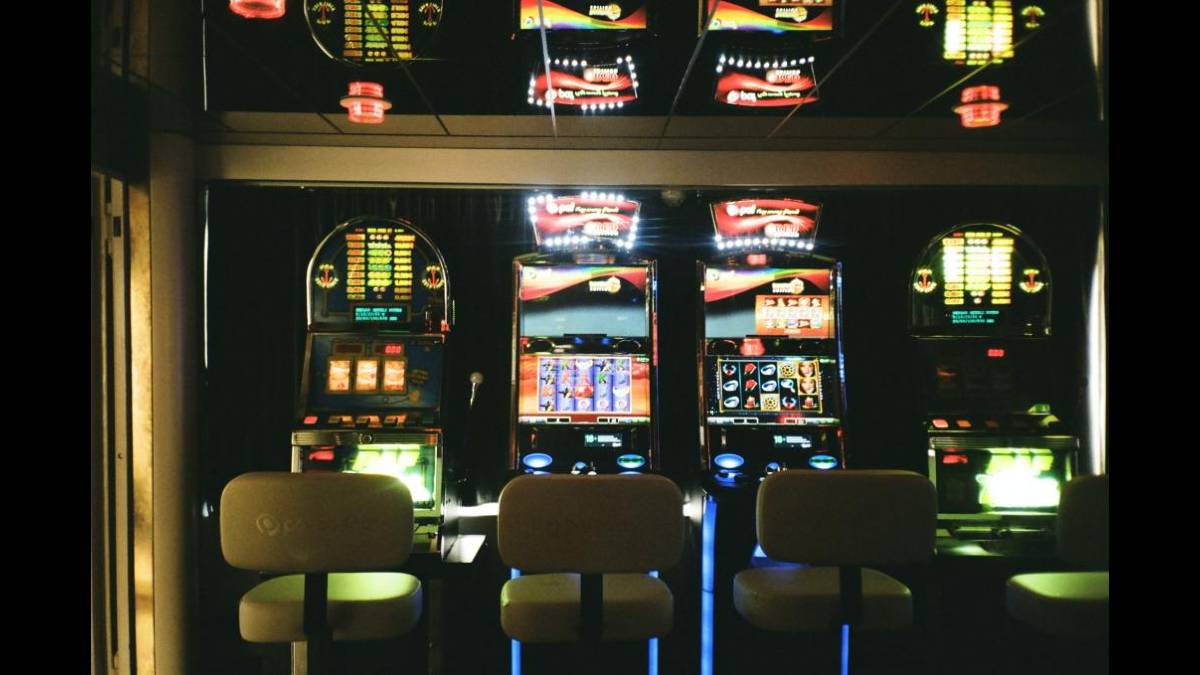
 International. Governments around the world have implemented significant reforms to minimize the damage gambling does to communities.
The South Australian government has set a good example, allowing self-exclusion by the player himself or restriction measures requested by third parties: individuals can request their own exclusion or families can request that one of their members be excluded from casinos.
The government's challenge is, through new state regulation, to ensure that authorized facial recognition solutions are installed everywhere with 30 or more gaming machines, which accept cash bills rather than just coins.
In this project, SAFR was used to identify excluded customers and automatically notify the surveillance team, preventing bettors from harming themselves or their families.
• Location: Adelaide, SA, Australia
• Use Cases: Video Monitoring, Watchlist, Acesso Control
• Number of cameras: 18 cameras in 7 hotels
• Number of visitors per year: +1 million
Results
The operations managers of the hotel group where the solution was applied worked to choose a reliable, internationally recognized facial recognition software with an accuracy rate of over 99.8%. SAFR was tested and selected for meeting all criteria and also for its competitive advantages over other facial recognition systems, such as live video, internationally implemented success stories, lower total cost of ownership (TCO), and local team support. RealNetworks' SAFR has been approved by the South Australian government as an official facial recognition solution to enforce gaming regulations across the state.
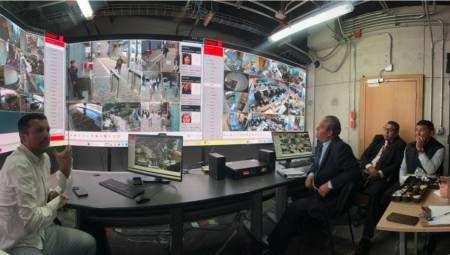
SAFR added superior situational awareness at all hotels in the group, detecting thousands of faces daily, comparing them to a watch list of excluded people, and alerting the surveillance team to potential banned individuals via email and SMS.
The new surveillance technology offers the possibility of increasing the recognition rate of people blocked by automatic detections, showing the benefits of facial recognition technology for social change in gambling.
"The impact on our day-to-day operations has been minimal. The system works exactly as we were told it would: emails and SMS alerts were received in less than 60 seconds," said the Operations Manager of the Hotel Group where SAFR was applied.
How it works
An approved system must provide technical expertise in a wide range of resources and applications.
SAFR is integrated with the database maintained by the state agency CBS (Consumer and Business Services) to import and maintain updated data on people in restriction. This data is then used to compare it to images of people entering the play areas.
In addition, SAFR Actions is used to send SMS and email notifications to the casino provider when a person suspected of being banned is identified.
Finally, SAFR sends daily statistical reports to the South Australian government on the number of people detected and the number of excluded, recognised customers at each gambling venue.
To be approved for use in casinos, a facial recognition system must comply with very strict privacy regulations. SAFR's approach to handling data securely has provided the baseline for ensuring compliance with the South Australian Government's data sharing agreement.
In fact, the SAFR platform is designed, built, maintained, monitored and updated regularly with safety in mind. Generally speaking, SAFR retains only facial biometric data, rather than images or personally identifiable data. In addition, all facial images and data are encrypted using AES256 at rest or in transit, facial digital signatures are proprietary and cannot be read by other facial recognition systems.
SAFR also offers an on-premises deployment model, where it ensures that no facial data is transported over the Internet and flexible data retention policies, giving full control over retention. In summary, SAFR can prevent unauthorized access for the use and disclosure of the collected data.