
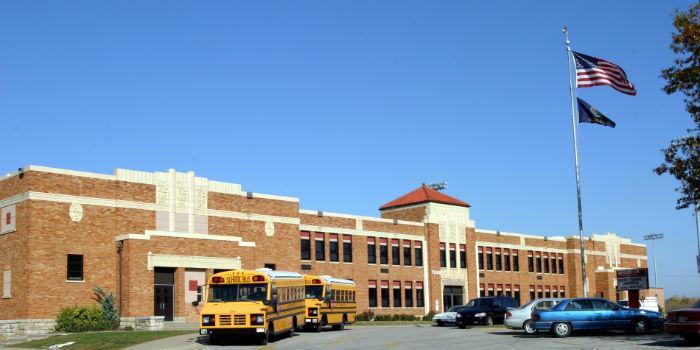
 International. Jim Dearing, senior analyst at IHS Markit, says in a recent report that the education sector when it comes to the security equipment and services market reached $2.7 billion in revenue in 2017. As most schools have already put in place surveillance systems and access control systems, the market is expected to grow on average 1% a year, reaching US$2.8 billion in 2021.
According to survey data from the National Center for Education Statistics, the proportion of schools implementing video surveillance systems has increased from 20% in 1999 to more than 70% in 2013. Similarly, the proportion of schools actively controlling the entrance of their buildings has increased from 75% to more than 90%.
Despite advances in the level of security used in school facilities, massacres in U.S. schools have remained relatively consistent over the past 30 years. When we look specifically at secondary schools, the number of mass shootings has reached an unprecedented level in the last five years.
New technologies are currently conducting research to improve security in schools, including facial recognition, integration of identity management, logical and physical security, and high-security classroom doors.
With the growing number of schools in the United States with video surveillance, electronic access control and other traditional security systems, the number of potential "greenfield" projects for providers will fall. The decrease in the number of new security system installations will lead to the slowdown of the market growth over the next five years.
Despite this, security manufacturers are looking to implement the following new security technologies to improve safety in schools, which would also help revive market growth:
1. Facial recognition technology
Many of the video surveillance systems currently used in schools are not actively monitored and also rarely lack any form of effective automatic response. The adoption of facial recognition technology would allow the surveillance system to proactively look for potential threats and thereby alert school administrators and security personnel about unrecognized individuals in the building.
Unfortunately, affordable facial recognition technologies are often unable to properly recognize the number of faces in a typical school; In addition, these systems can place a high strain on a school's computer network.
2. The integration of identity management. Logical and physical security
Integrating the school's access control database with a higher authority logical database – for example, a student directory – would allow the access rights of former staff and students who have been expelled or already graduated, to be automatically deleted.
However, access control providers may have difficulty obtaining permission to access student files and other sensitive data. Education administrators may also be uncomfortable with the possible creation of a potential cyberattack avenue.
3. High security lounge doors with multipoint systems
Higher degree doors would create a much more effective barrier between students and potential attackers, creating numerous safe spaces throughout the building in the event of an emergency.
It is also true, however, that the purchase of thousands of doors would be expensive. Fire regulations often dictate that key entrances and exits remain fail-safe during emergencies. Locking and unlocking doors would also disrupt teaching.
4. Weapons controls using metal detectors or X-ray machines at school entrances
The use of metal detectors or X-ray machines at the entrances along the perimeter of the school makes bringing weapons to the school much more difficult. However, schools often have multiple entrances, which means that each school could require multiple detectors or X-ray machines which are expensive. The school would also have to hire additional security personnel to operate each machine. Securing tickets in this way would also mean long lines after breaks and at lunchtime, reducing free time for students and staff.