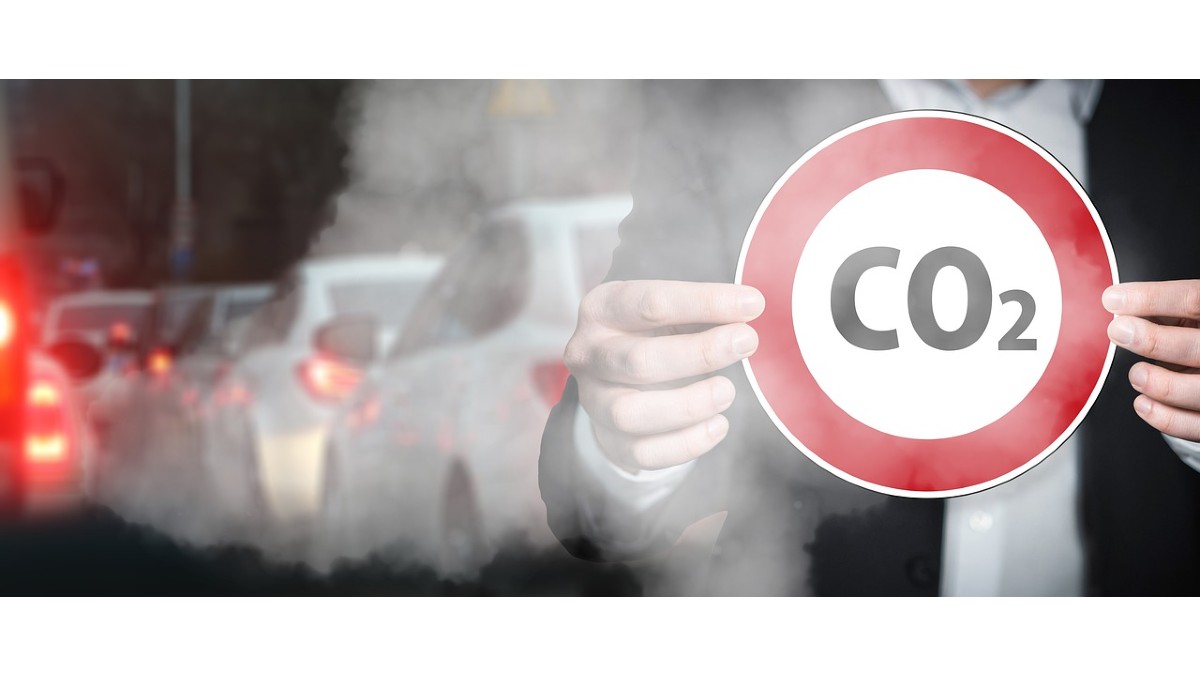
International. Artificial Intelligence (AI) as a strategic tool for the prevention of climate change has many applications, among them stands out is its usability in video surveillance to reduce CO2 levels by controlling the automotive fleet.
The Intergovernmental Panel on Climate Change (IPCC), a United Nations (UN) body that assesses the science of climate change, states that "a strong and sustained reduction in emissions of carbon dioxide (CO2) and other greenhouse gases would limit climate change." According to the UN since 2010 emissions of gases that cause global warming have registered an average annual growth of 1.3%. For 2019 the increase was more pronounced "it reached 2.6% due to the large increase in forest fires." A situation that, although it was temporarily diminished by the effects of the pandemic, continued its course.
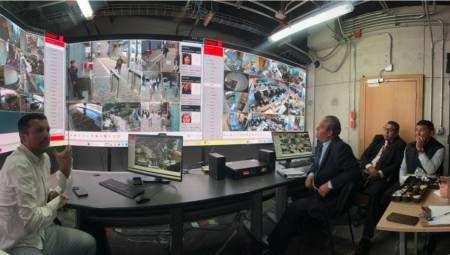
Thus, those responsible for city administration and business must invest in technology that meets surveillance and logistics needs, while driving sustainable action. An example of this are intelligent security solutions based on video, through which it is possible to minimize traffic congestion, contribute to a safe and comfortable movement, such as reducing the impact of gases emitted by vehicles.
Such is the case of intelligent cameras equipped with AI, such as Hanwha Techwin's Wisenet AI, capable of detecting and classifying different vehicle models, to help identify those that exceed the permitted levels of emissions or that for technical reasons should not circulate. In addition, they differentiate bicycles, motorcycles, cars and trucks, allowing operators to control the passage of certain means of transport through an area and limit others.
It also allows monitoring the level of congestion on streets and roads to redirect traffic to alternative routes, in case of traffic jams. What's more, AI can alert operators to potential accidents, allowing them to take action and prevent congestion from getting worse. At the same time, updates and closures can be communicated to drivers via integrated digital displays placed along a route.
Other advantages
In case it is added, to the video surveillance with Artificial Intelligence, applications such as automatic license plate recognition (ANPR) magnify the functions. It automatically helps the parking of vehicles, even serves to apply penalties for parking in an improper place and in the surveillance of dangerous acts in driving. Likewise, another benefit is the reduction of waiting times for a barrier to be lifted, a fine or certificate to be issued, such is the case of public or private parking lots and tolls on roads.
With Wisenet Road's AI (which runs on select Wisenet P-series 4K cameras), these advances are within the reach of city management. Well, its functions can be combined with other data, such as the influx of pedestrians and air quality sensors, to make strategic reviews of mobility and reduce the pollution to which citizens are exposed. You could even analyze the impact of a new road to see if it has increased or reduced carbon emissions.
Finally, it is important to understand that, in the long term, the data generated by AI-powered cameras can be used to develop more efficient roads and parking spaces. As well as analyzing the use of zones and routes to establish the most popular, expand or restrict access. Simply put, make decisions based on environmental conservation.