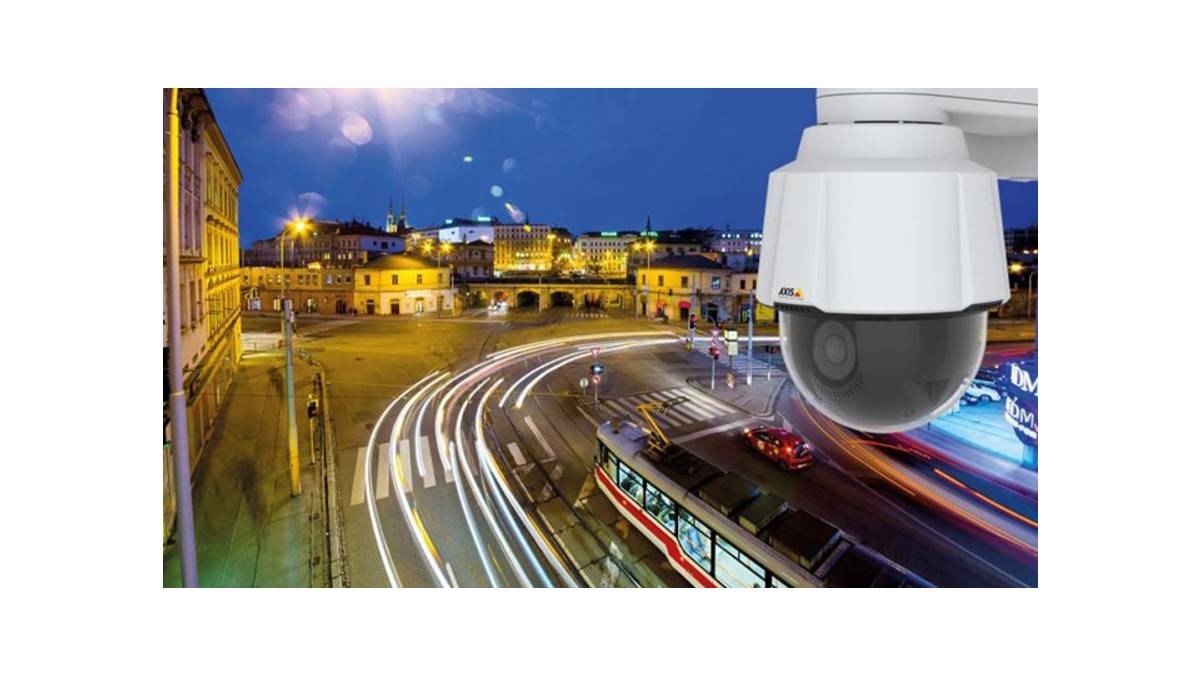
 Latin America. With the continuous modernization of large cities, major problems that citizens face on a daily basis have been solved. With technology we now move towards an integrated development model that has as a priority public safety, urban mobility and environmental monitoring, where it is necessary for urban sustainability to be smarter. Connectivity technology and the Internet of Things (IoT) have become the essential resources to make large cities become smart cities; following this line, it is necessary to know what are the key trends to be able to carry out the transition from a conventional city to the famous Smart cities.
1. Data protection: For smart cities, information and data collection allows the planning and optimization of existing infrastructure, when cost-benefit analysis is carried out when implementing technological tools, it is necessary that the information of data flows, locations and energy consumption are analyzed and processed in a detailed manner, always in order to ensure that the privacy of citizens is protected.
To ensure that personal data are not processed for different purposes, it is necessary for officials to legislate on data protection in the hands of State bodies and individuals, to comply with the laws that until now exist to deal with this section, since they make it possible to generate information flows that result in economic growth and the improvement of goods and services.
2. Cybersecurity: When thinking about smart cities, the fact that connectivity is an open door to data intelligence should not be undermined, that is, exposure and vulnerability to cyber attacks is a latent possibility. First, because the data is generated by more dispersed sources in various places. Second, there have been an increasing number of people working for city authorities and high-level executives, such as CIO and CDO, who have moved to working remotely, where the level of security might not be as high. The repercussions of a cyber attack could be catastrophic, for this reason it has become one of the central issues for the authorities in order to generate greater responsibility for shared security of all stakeholders in the network, updated policies or efficient management of devices.
3. Edge Processing: Another challenge in smart cities refers to the way in which devices behave as facilitators in the processing of data to transfer this information to other devices. Moving processing power to the edge provides advantages outside of analytical capabilities; such as lower bandwidth consumption, better reliability, and lower system latency, which is important for real-time analysis. Ultimately, the use of edge processing will help integrate more sensors and data to make city systems more interoperable. Having the perimeter processing will help to operate more efficiently the analysis of the collected data, for the management of Smart cities.
4. Urban Mobility: As a city grows, so does the needs and flow of traffic, where it is necessary to have new solutions for parking management and optimization of public transport. To optimize the way users move from one site to another, there are several solutions that can help you have the right data in real time to improve the structure in the city. These types of solutions help to solve any situation in real time, and are supportive in cases of crisis when a restructuring is required.
5. Sustainability: Currently the consequences that have been triggered by climate change are undeniable, therefore, it is necessary that smart cities where technology is the main engine of this transition, begin to implement an entire supply chain in a sustainable way, in order to achieve that carbon emissions decrease and a healthier environment is generated. Several companies have chosen to coin the term Green IoT, which describes the number of ways in which the IoT can reduce the carbon footprint caused by existing applications and features, making them more energy efficient, and making IoT devices more sustainable in their production.
The information helps us to understand how the transition to smart cities has been gradually achieved, however, it is important that the appropriate solutions are available to respond to each of these trends. Looking ahead to 2021, it is necessary to take into account all emerging trends to achieve projects of cities that are prepared to meet the needs of the inhabitants.
* A note from Andrea Sorri, Director, Business Development Smart Cities at Axis Communications.