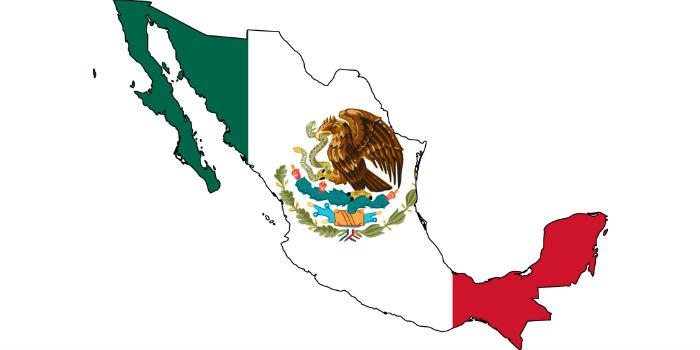
 Mexico. Mexicans don't feel safe on the Internet. This is demonstrated by the Digital Civility Index made by Microsoft on the occasion of International Safer Internet Day. This study shows the main risks that young people and adults run online, divided into four categories: behavior, intrusion, reputation and sexuality.
Among the findings of the analysis, it stands out that 54% of respondents in Mexico mentioned that the greatest of the intrusive online risks they face is unwanted contact, this through social networks, email or other means.
In turn, the research details that online risks of a sexual nature such as sending messages with sexual content, sexual requests and sextortion, are the second largest concern for Mexicans with 46%.
"With this study we want to raise awareness of the real consequences of online risks. Our responsibility as a company is to create online services where people feel safe and have a positive experience," said Jacqueline Beauchere, Head of Online Security at Microsoft.
The study was conducted in June last year by Microsoft in 14 countries including, in addition to Mexico, Germany, Australia, Belgium, Brazil, Chile, the United States, France, India, the United Kingdom, Russia, South Africa and Turkey. It was held for young people (between 13 and 17 years old) and adults (between 18 and 74 years old), who told their experiences and online encounters.
Another figure revealed by the index was that in Mexico 76% of participants report being exposed to online risk, this only below South Africa with 78%. Globally the average is 65%. Based on the Digital Civics Index, Mexico occupies the 13th position with the perception of being the least safe, below the other participating countries.
International Safe Internet Day is an event held in February each year to promote safer and more responsible use of technology and the Internet, especially among children and young people around the world. Microsoft has been participating in this campaign every year since it began in 2004. This year the theme of this is: "Be the change: United for a better internet".
"We want a safer Internet for all people and to practice digital citizenship," said Jacqueline Beauchere.