
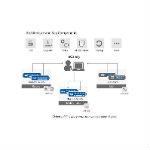
 International. A10 Networks recently announced the availability of aGalaxy 3.0, a powerful centralized management system for the configuration and monitoring of appliances based on ACOS, the Advanced Core Operating System created by the company.
aGalaxy 3.0 extends support beyond the Thunder ADC Application Delivery Controller family to also include the Thunder TPS (Threat Protection System) series. aGalaxy 3.0 integrates new features such as an attack mitigation console and interactive services map to ensure organizations can efficiently scale their operations while maximizing network uptime and security.
When IT teams build the network infrastructure, the upfront cost savings don't exempt them from thinking about permanent operating costs. Over the life of a product, operating costs can reflect the bulk of the total investment. To control such operating expenses, IT teams must reduce the amount spent on energy, cooling, and space, but they must also minimize administrative costs. For large organizations, the centralized management system aGalaxy can lower administrative costs by automating IT processes and more streamlined management.
In addition to reducing expenses, aGalaxy enables IT staff to quickly identify network issues while enforcing consistent security policies across the network. Central control makes it easy for network operators to apply DevOps principles, such as continuous deployment by rapidly distributing policies to all endpoints and automating IT tasks.
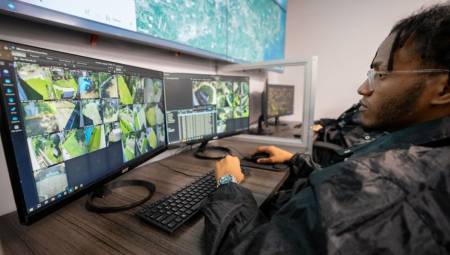
aGalaxy provides organizations with the ability to manage application services and security policies across their network, even if that network spans multiple countries or multiple continents. aGalaxy is fully scalable, supporting the management of hundreds of appliances, both Thunder ADC and Thunder TPS, while streamlining operations and reducing IT expenses. With aGalaxy, administrators can comprehensively monitor and analyze their deployments, regardless of whether they are visualizing DDoS attacks taking place at that time or investigating further to check the number of current connections made by a physical or virtual appliance, individually.