Mexico. The Video Surveillance Committee of the City of Guadalajara has not yet prepared the total and official bank of the surveillance cameras installed in this town that visualize the public space and that have as their purpose the social security and the preservation of the privacy and image of the citizenship.
Regardless of the origin of the video surveillance cameras, those installed in private places (subdivisions, shopping centers, companies, small businesses, etc.) and public (the networks of the different government instances) must be registered, with an exact location.
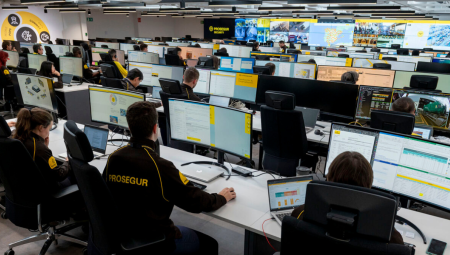
But more than a year after its creation, the new Video Surveillance Committee has not developed the data bank with which the Committee, says the regulation, would begin management with its owners for the elaboration of individual agreements that would allow the municipal authority and its Secretariat of Citizen Security to interconnect to the devices through the Center for Communications and Electronic Observation (Cecoe).
In this way, the Secretariat of Citizen Security tapatía would considerably expand its field of vision for the surveillance of the city and, far from its current 140 equipment, the Cecoe would find access to a whole network of thousands of private video cameras that are recording today the public space, according to some first estimates of the Commission of Citizen Security and Social Prevention.