 Brazil, India, South Africa, among other countries, are installing biometric devices to collect user access data
by Phil Scarfo*
Unlike other secure forms of authentication, biometrics is the only means of determining who is using the system. Systems based on PINs (personal identification numbers), access codes, or less reliable forms of user authentication are quickly becoming ineffective and obsolete.
With the introduction of multispectral imaging, biometrics has ceased to be a partial solution to become a safe, convenient and reliable alternative.
For many years, the promise of biometrics to deliver hassle-free performance, as seen in the lab, did not materialize in practice. The fundamental problem has been that conventional biometric technologies are based on a complete and barrier-free contact between the fingerprint and the sensor, a condition that is not always met in the real world, a world that can be wet, dry or dirty.
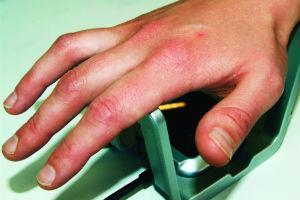
However, that was the situation of the past, now things are different. Multispectral imaging is a sophisticated technology specifically designed to overcome the fingerprint capture problems of conventional imaging systems in less than ideal conditions.
This technology, of superior effectiveness, is based on the use of multiple light spectra and advanced polarization techniques to extract unique features from fingerprints, which are both on the surface of the skin and under it. This functionality of capturing features that are below the surface of the skin is important since the papillary ridges seen on the surface of the finger have their foundations below the surface of the skin, in the capillary beds and in other structures that are below the dermis.
Unlike the features of the surface fingerprint, which can become confusing during image taking, due to moisture, dirt or wear, the "internal fingerprint" remains intact and unaltered below the surface. By combining surface footprint information with footprint information below the surface and reorganizing that information in an intelligent and integrated way, the results are more consistent, more comprehensive, and more inviolable.
Ahead of the current times, we are currently hearing of an increasing number of banks around the world that are installing biometric solutions with multispectral imaging technology as part of their next generation of ATMs.
As the world tries to end identity theft and reduce waste, fraud and abuse, the banking sector is making a real commitment to biometrics and intelligent identity management. Due to the ever-increasing costs involved in identity theft, the industry is finally responding and investing in new and more effective methods that ensure the protection of transactions and personal identities.
In almost every part of the world today the most common biometric solutions combine the use of a card and a biometric device to ensure that the customer is an authorized and legitimate user. Generally, the card design includes a biometric template and therefore a local check-in can be done and the client carries the user credentials.
Latin America sets the tone with biometric ATMs
With its highly advanced technology implemented in financial systems, Latin America is taking full advantage of new technologies to increase the security of its systems. As a result, financial institutions in Latin America are embracing fingerprint technology for their ATMs.
In addition to improving security, banks can provide more convenience to their customers, since there is no need for training, all they need to do is support their fingers. Biometrics, previously employee-centric and generally limited to the back room of the financial system, is currently being placed at the point of interaction with the customer, with a high level of reliability.
Brazil's second largest government bank, Caixa Econômica Federal (CAIXA), is installing 3,500 Diebold biometric ATMs. Fingerprint readers are replacing PINs that banking users have traditionally used to authenticate their identity and access their accounts. With multispectral imaging biometrics, CAIXA customers now only have to insert their card and touch the fingerprint reader to withdraw their funds from the ATM and that's it. No need to remember any PINs, or receive training. It's that simple.
The Bolsa Familia program, which provides grants to low-income families to help them keep their children in school, was the catalyst for using fingerprint biometrics to replace individual access PINs. Many users of this program do not have bank accounts and use the ATM only once a month to get their stipend. Therefore, they used to forget their keys and bank managers were spending too much time renewing or changing PINs. The 14,000 ATMs that are part of the program and the more than 58 million registered customers made this a bigger problem.
"CAIXA tries to expand the use of biometrics to other service channels such as Caixa Aqui's banking correspondent and lottery kiosks," says the CAIXA press office. "Other products and services will also use biometrics as an additional resource for user authentication."
Not to be outdone, Itautec, an ATM provider, will install the first 12,000 units of a network of 33,000 ATMs with fingerprint readers and multispectrum sensor for one of the largest private banks in Latin America. The prestigious multinational bank was concerned that some people were using various identities within its banking system. The organization needed a way to ensure that each person had only one identity and thus give all its customers secure access to their accounts. A biometric system would solve both problems.
A high level of reliability at ATMs is critical, as their use is usually unmonitored, meaning there may not be a person on hand with whom customers can consult if a problem arises with a transaction. Thanks to the fact that multispectral imaging technology provides adequate readings on the first try, when reading the fingerprints that are on the surface of the skin and those that are under it, no matter what state they are in, fingerprint readers that use this technology for ATMs were chosen. Therefore, it has been possible to raise security with a simple, easy and intuitive touch control.
"Itautec is the company with the tenth largest installed network of ATMs in the world, therefore, we needed a solution that worked," reports Fabrizio Vargas, in charge of Itautec's biometric systems. "The system must work absolutely at all times, in order to provide the level of security and performance demanded by bank customers. We chose multispectral image readers because regardless of the status of bank customers' fingerprints, they can access the cashier and make their transactions simply by using their finger, without supervision."
As Vargas, from Itautech, states, "the implementation of this biometric system is setting the tone for the world's banking community on how to take the next step to bring convenience to their customers and security to their own system."
Biometrics in banking, beyond ATMs
In markets where an ATM structure has not been established, such as India, a handheld biometric device is used to authenticate both the user and the provider of a service, in order to ensure the proper provision of the service and provide a complete audit of these transactions.
In India, governments have been working diligently for decades to find ways to provide services to citizens across the subcontinent, and likewise, commercial entities want to reach the poor, especially those who have been excluded before, due to the limited capacity of conventional biometric technology.
With these goals in mind, long-term financial inclusion initiatives and public distribution systems have turned to biometrics as a means of protecting off-site transactions and ensuring that citizens are protected and that government services are actually being provided to those authorized to receive those benefits.
Thus, in addition to using multispectral imaging sensors in ATM biometrics, they are also being implemented in portable computers that function as micro ATMs in applications where banking operations (such as opening savings accounts, transferring funds, making deposits, withdrawing cash and making loans) move to remote rural areas, where citizens do not have access to banks.
These fingerprint sensors ensure that the beneficiaries of rural facilities are actually the ones withdrawing their weekly wages. Other portable devices with multispectral imaging technology are being used in public distribution systems and educational projects, where biometrics are used by citizens to collect food and to authenticate student attendance reports.
In South Africa, concern about fraud and identity theft has grown, to such an extent that the Banking Risk Information Centre (SABRIC) requires banks to take steps to operate "safely, securely and safely". In 2003, several large banks in South Africa began to focus on implementing measures to eliminate fraud and adopt identification systems that used biometrics as a means of achieving their goals. Currently, those facilities are moving from pilot tests to large-scale facilities.
After considering these examples, all in use today, it is necessary for US banks to consider what form of authentication will offer them guarantee of identity, convenience and a convincing return on investment. Biometrics is the only technology that guarantees the identity of users and the accurate knowledge of "who" makes the transaction. It is also unique in its ability to raise the level of security, without adding complexity for the end user.
*Phil Scarfo is Lumidigm's Vice President of Global Sales and Marketing.