 Why are organizations adopting these devices to strengthen their security and access control systems?
By Wladimir Álvarez*
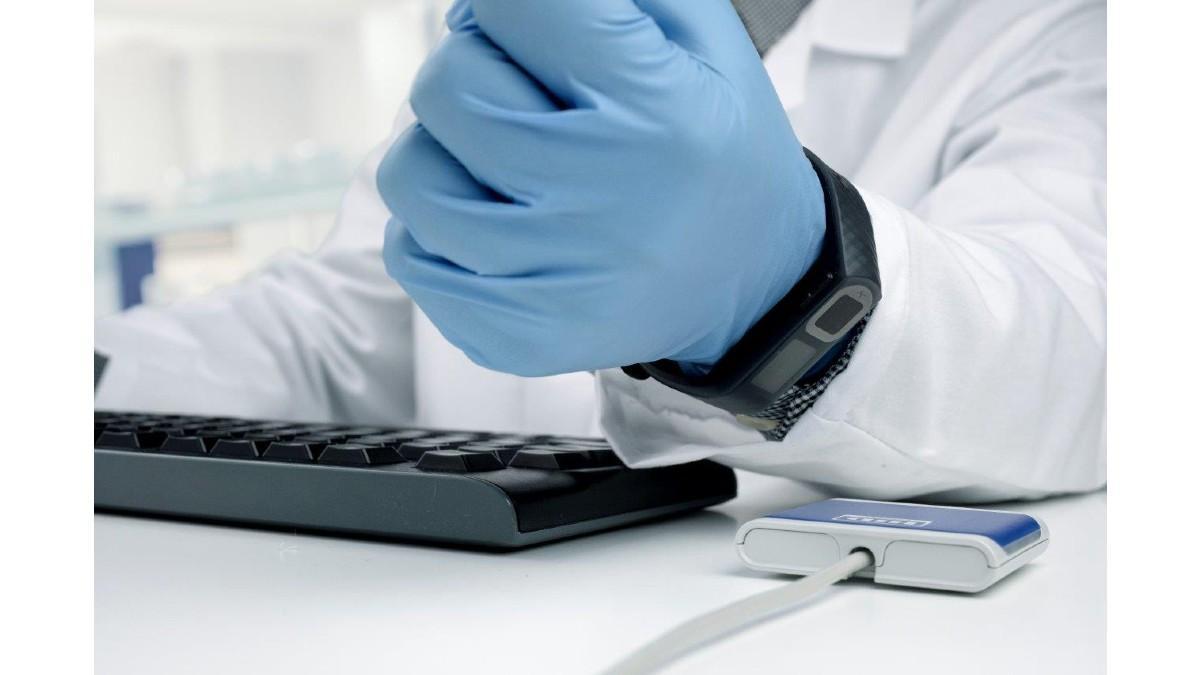
Bracelets and smartwatches provide the ability to track people's physical activity, monitor their sleep habits, and manage their smartphone's functions. But is it possible to use these devices as an identity authentication method for access control? Of course.
Known as wearables, these electronic devices worn on the body are becoming more commercialized and useful as humans track their progress, especially in work environments. The global wearables market grew by 35.1% in the third quarter of 2020 compared to the previous year, with total shipments reaching 125 million units according to analytics firm International Data Corporation (IDC).
Latin America is not far behind in the consumption of this growing technology. The number of IoT devices is estimated to reach 995.6 million units by 2023, according to Statista. This data provider also predicted that IoT connections in Latin America would be around 1.2 billion by 2025.
Leveraged by this technology, institutions are increasingly interested in implementing connected devices, specifically wearables, to identify their employees, manage access control, incorporate contactless interactions, and apply many other benefits derived from IoT applications in work ecosystems.
Advanced security with wearables
Security managers or IT service managers responsible for handling sensitive information (trade secrets, medical history, financial, legal or military data) of an organization should thoroughly evaluate their wearable options to ensure that they introduce the best technology on mobile devices into their workspaces.
Security is of paramount importance when it comes to selecting electronic devices. Decision-makers want to work with products from experienced manufacturers who have an established reputation for driving trusted credentials that allow them to efficiently and reliably connect users to security systems while achieving adequate levels of protection.
So much so that, as companies continue to work to drive possibilities across the connected IoT universe, several leading companies combine their technologies to deliver unmatched offerings; especially around access control credentials.
One example is the partnership between smart bracelet manufacturer Nymi and HID Global that have partnered to incorporate Seos® technology into the wearable wristband for work environments: the Nymi Band™.
Seos is a credential technology that combines security and flexibility through advanced encryption and a software-based infrastructure that protects identities in any format: physical credential, mobile device or wearable. The Nymi Band, once authenticated, offers the convenience of continuously confirming the identity of the user until the bracelet is removed from the wrist.
How does the integration of these technologies work?
• The Seos applet is loaded into the security elements inside the wristband to provide the "key" function with encrypted firmware and extreme security.
• Seos credentials are sent to the wristbands via a Near Field Communication (NFC) connection.
• Users register their fingerprint on the bracelet only once, and the device is responsible for matching this information with the user's identity.
• The user authenticates the bracelet with their fingerprint, and the device is activated after detecting a heartbeat.
• Thanks to native support for HID's DigitalPersona software, wristbands can also be used for login on computers running the Windows operating system; for strong authentications without the need for passwords.
• Seos credentials are compatible with HID readers used in major markets and industries around the world.
Nymi's devices use biometric data to guarantee the identity of the individual, which is collected through a system called (On-Body Detection). This ensures that the bracelet only works with the intended wearer and when the person is physically present. In addition, biometric data never leaves the device, providing advanced security and privacy.
Contactless identification: the new way of detection
With this high level of security guaranteed, organizations can consider wearables as a great alternative to business credentials. With these devices, employees experience new levels of convenience when opening doors, authenticating systems, securely logging into devices, including for the use of dispensing machines.
Meanwhile, companies and facilities gain better knowledge to drive efficiency in a variety of categories to improve and secure the business.
Wearable authentication is an increasingly common method of accessing buildings, doors and restricted areas, especially in industries where it is difficult (or prohibited) to carry mobile devices, cards or keys, such as in the medical sector or security institutions.
The versatility of this technology goes beyond physical or logical access. Thanks to Seos, Nymi wristbands can be used for other operational processes: tracking contractors and visitors, managing remote work and creating social distancing protocols.
Keys to a safe return to work in times of pandemic
In fact, beyond the contribution of contactless access, wearables can be useful in many situations related to the COVID-19 pandemic. Researchers at Stanford University are developing algorithms capable of detecting the first symptoms of the disease based on the data collected by these devices.
According to a report published by the university, when the algorithm detects significant changes in people's heart rate or body temperature, this is a possible indication that the body is fighting an infection. The device then emits a red flag that encourages further exploration of one's health conditions.
A single device carries an average of 2,500 measurements daily. With the accumulated dataset it extracts after those 24-48 hours, the algorithm can effectively detect that something isn't working as it should, marking the first symptoms of the disease before the person wearing the bracelet notices them.
Many organizations and industries are migrating to hyper-connected environments to improve daily interactions, employee safety on-premises, and to support efficiency.
As trends such as mobile access or BYOD (Bring Your Own Device) continue to increase and transform everyday work and landscapes, we will continue to see the rapid adaptation of IoT devices for security, identification and much more.
 * Wladimir Álvarez, Sales Director for Latin America of hid Global's Extended Access Technologies Business Unit.