by: Germán Alexis Cortés
Why are there several ways to look at this topic?
The first thing we must do is know what integration is and define the real scope of what is sought.
Constitution of a whole
Integrating can be different from converging, also different from joining. Security systems are part of the existing electronic networks in a modern building. They must behave in a similar way to communications networks – so well known to all – and to control and automation networks, which only exist in buildings with the most advanced technology.
Each electronic security subsystem (CCTV, intrusion alarms, fire alarms, access control for people (employees and visitors), for vehicles, for objects, search support, computer security, among others), is a different world, full of brands and of different origin; they have different communication protocols, uneven wiring and use regulations or technical guidelines that differ technically.
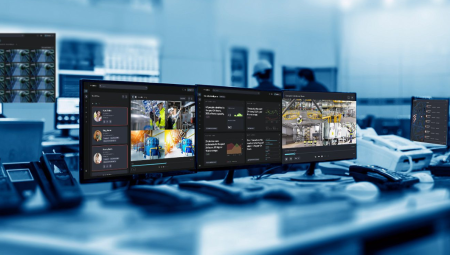
Integration, from a safety point of view, means allowing many subsystems, which I insist, are not necessarily of the same brand, to communicate with each other and take action without the manual intervention of the operator. For what? To make life easy for the operator, enabling him to perform his work in a better way, concentrating on the main task of analysis and reaction of abnormal situations and also to make the process of monitoring, recording and investigation more efficient in routine or exceptional situations.
Example 1: Sometimes the alarm system receives the signal from a sensor and an abnormal event is recorded. At this time it is excellent to know in what situation other points of the property were. It would be advisable to determine which people were in that area before the alarm, check the video record you have of the areas that give access to the area and know who has access to the information. All this can help to investigate to fully clarify what happened. This is where an integrated security system can give us lights of everything recorded to make an immediate and efficient analysis.
We are not served by five subsystems that have the information saved, but that the collection is impossible or tortuously slow. And that's what's happening in many cases, especially when the local alarm says one thing, the monitoring station says another, the access system suggests a different one, and finally the CCTV system recorded images that contradict things. Sometimes the error is as simple as a lack of synchronization in the clocks of the systems, however the issue is much more complex ... The collection time is exaggerated in many cases and the manipulation of the information increases the level of risk and of course the reliability of the integral system.
Sometimes when the problem is only clocks operators are lazy to look on one side and then on the other or they simply cannot do this every time something happens, because it can take a prudential time neglecting the tasks in real time, then we get incomplete results, having made considerable investments.
Integration for protection
Example 2: A photoelectric smoke sensor detects a significant concentration of darkening caused by a simple conflagration, and generates a signal that can early and efficiently save the lives of many people. If the system is NOT integrated, the only thing that will happen is the presence of a sound in the fire alarm panel that will easily be extinguished once the operator presses the appropriate key on the panel. The procedure that is done from now on depends on the policies, procedures and regulations that each company has and the goodwill of the shift operator. However, expecting the operator in a critical situation to perform the right actions is quite ambitious and foolish.
An integrated security system would perform the following activities simultaneously without operator intervention, saving lives early and delivering the right information for analysis and efficient reactions: warn the operator of the alarm not only with an annoying sound on the fire panel, but by recording the event in the integration system. Simultaneously, the CCTV system calls the preset of the mobile camera closest to the area of the conflagration and the order is given to record at high resolution and at good speed, not only the camera in question, but all other images that record activity in the immediate, access and evacuation areas. This of course must have been thought out in advance and programmed into the system.
Important cameras at this time must be deployed on the different monitors controlled by the video array, presenting the exact information the operator needs to determine whether to proceed with an evacuation or not.
In case of verifying that the situation threatens the integrity of the occupants of the building, all the operator must do is accept in the integration system the option to evacuate and the system will do the rest, in fact if the integrity of the same operator is compromised, you could leave your job without inconvenience.
The system will then proceed to release the emergency doors of each zone, pressurize the emergency stairs, activate the audio-luminous indications following the pre-established evacuation plan, close the areas where it is known that there is no occupation to avoid unpleasant robberies, activate the pre-recorded voice messages which take each group of occupants to the safe areas and guide the flow of people avoiding panic situations until emergency exits; it will activate the alarm systems of the insured areas and allow alarm situations in the common and evacuation areas to be ignored. Further officials or visitors to the evacuation building should be restricted.
Through the remote communication channels you must notify the fire department as well as the alarm monitoring station of the detailed situation, send images of important events and activate the transfer of as much information as possible to have a backup in a remote site, free of danger. If there is an alternate control center, the control will be automatically transferred to this point. The air conditioning system will be ordered to stop the air supply, avoiding stoking the conflagration, but leaving the air extraction active, trying to suppress as much smoke as possible.
The electromechanical equipment control system will be able to send the elevators to the evacuation floor and leave them there as the standard says, deactivate the electrical loads that may have inconveniences in case of emergency or perhaps enlarge the fire. You will need to critically and constantly monitor the activation of the entire hydraulic system for manual and automatic fire extinguishing. It also has to suspend the supply of gas networks to the property and efficiently control the supply of drinking water. And according to each site, activate, deactivate and adjust an immensity of variables that we can not predict in this article because it depends on each case.
These adjustments and changes should be made simultaneously in the least amount of time.
Imagine that all this was not communicated with each other under the control of an integrated system, but that each piece of equipment had to be manipulated and readjusted by the operator on duty... do you now understand the importance of integration?
In the next edition we will continue with the theme and the various levels of integration that can be offered.
*Germán Alexis Cortés H. is an electronic engineer expert in building automation and general manager of Insetrón Ltda. He is dedicated to project consulting and specialized training of a Latin American nature. If you want you can write to the email [email protected]