
 In today's column I want to tell you how in Puerto Rico we managed to combat the fraud that represented a serious problem for financial institutions and how an effective model was developed to counteract this evil.
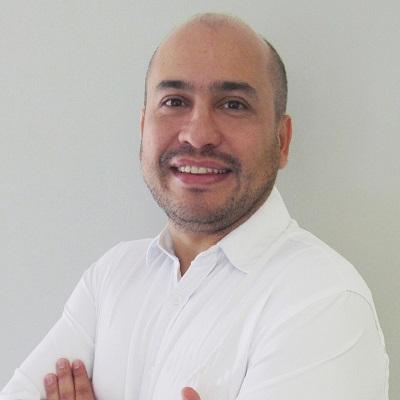
by Héctor R. Torres, PhD, MBA, CPP, CFE, CHS*
A fraternal greeting from Puerto Rico to all colleagues and readers of this column. It is a pleasure to share again with you.
This model was born from the great need faced by all financial institutions in Puerto Rico at the beginning of the 21st Century. To combat financial fraud, the emphasis should be on a strategy composed of three components executed simultaneously; fraud-based education; early detection of schemes and coordination of research efforts. The first two premises were fulfilled, however, there was no coordination of efforts between financial institutions to combat fraud jointly.
Background of the Problem
At that time it was estimated that institutions in Puerto Rico lost between 40 to 60 million dollars annually due to financial fraud and this estimate was considered a very conservative one.
Financial fraud schemes included debit/credit card fraud, checking, bank account opening, mortgage loans, and auto loans.
Each passing year the fraud increased more and it seemed that it was impossible to combat it since there were bargains of well-organized criminals who were dedicated only to carrying out these frauds.
Although all the institutions in Puerto Rico competed fiercely to increase their portfolios and markets, the truth was that they faced the same great threat that wreaked havoc with their profits. Among the institutions there was no concerted or united way to combat this evil. Some of the factors that contributed to and worsened the situation included:
-
The lack of managerial support for institutions' corporate security initiatives to combat fraud. Senior management in many institutions thought that they should not invest time, effort or money in a problem that did not have priority and that was a temporary phenomenon.
-
The lack of exchange of information about the fraud schemes and about the people or bargains that the schemes committed between the institutions. Many institutions thought they could not or should not exchange information that they owned.
-
The lack of support and coordination between institutions in fraud investigations. Many institutions did not want to let their rivals know how much their losses were due to fraud, much less admit that they had such losses.
-
The lack of support and coordination between institutions and law enforcement agencies. All institutions sought to coordinate their fraud cases with law enforcement agencies independently. The result of these efforts were the multiple investigations carried out by these agencies against the same gang or fraud scheme where time and many resources were lost.
-
The limited research capacity of some institutions due to lack of resources and technology. Many institutions had serious limitations in terms of resources and the technology available to conduct fraud investigations.
Collective effort and the birth of a paradigm
During November 2001, Arturo L. Carrión, Executive Vice President of the Puerto Rico Banking Association, convened an extraordinary meeting with the Security Committee composed of the security directors of all the major financial institutions on the island in order to develop an operational concept to combat rampant financial fraud.
After a very long meeting, it was possible to conceptualize a new paradigm to collectively combat financial fraud in Puerto Rico. Based on this meeting, the Puerto Rico Financial Crimes Task Force was founded in December 2001. The purpose and objectives of this group are detailed below:
Unify efforts between the Puerto Rico Association of Banks, financial institutions, private corporations, and state and federal law enforcement agencies to detect, identify, stop, and prevent fraud schemes directed at the country's financial institutions.
-
Exchange and analysis of information on fraud schemes.
-
Assignment of priorities in the cases to be investigated.
-
Continuous training of the members of the Group on research methods and new schemes.
-
Professional preparation of cases to be submitted to state and federal prosecutors' offices.
-
Development of an Intelligence Bank on the different schemes, methodology, criminal bargains and criminals.
To carry out the objectives, the operational concept of this group is based on the following premises:
-
Members of the Group representing financial institutions, private corporations, and state and federal law enforcement agencies meet twice each month to exchange and analyze information related to schemes and fraud.
-
Investigative efforts are coordinated to prosecute and prosecute criminals involved in the schemes.
-
The integration of security technology and computer systems to maintain databases of schemes and criminals in order to accelerate the investigative process and the clarification of cases.
-
Establish an alert system aimed at informing all institutions about the identification of fraud schemes, people, bargains, methodology and their geographical areas of operations.
Since its inception, the Puerto Rico Financial Crimes Task Force has been listed as a resounding success. This work model significantly reduced the incidences of cases and losses due to fraud, improved collaboration between financial institutions, achieved the rapid dissemination of information related to fraud schemes and improved our joint work with law enforcement agencies on the island to prosecute criminals involved in these schemes.
In conclusion
Fraud against financial institutions will continue to be a threat due to the lucrative nature of this type of crime. Ignorance of the threat, lack of early detection methods, and lack of coordination of investigative efforts led to an increase in cases of financial fraud.
To deal with this threat successfully, efforts must be united and focused between financial institutions, private corporations and law enforcement agencies. The Puerto Rico Financial Crimes Task Force manages to become a good model to emulate in countries facing the threat of financial fraud.
I invite you to continue to share your ideas and concerns from the world and security management.
A hug and see you next time!
*If you wish to contact the author of this article write to [email protected]