
 United States. The Federal Reserve recently published an article on the impending U.S. transition to EMV cards, stating that the country may not have enough structure to take advantage of the benefits of EMV's anti-fraud capabilities.
In that article, senior economist Richard Sullivan of the Federal Reserve Bank in Kansas City discusses the ways in which fraud penetrates magnetic stripe cards and also examines the transition to EMV in France, the Netherlands and the United Kingdom and how it has influenced the rates and modalities of credit card fraud in those countries.
One of the problems with magnetic stripe cards, Sullivan notes, is that they are easy to steal and counterfeit. It is also easy for criminals to use them to make fraudulent purchases on the Internet, by mail order or by phone. Other vulnerabilities of magnetic stripes are that authentication protocols are static, making forgery more feasible.
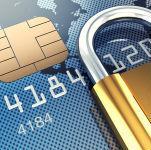
As chip cards are encrypted to protect data, they are much harder to spoof. Chip cards and contactless cards also employ dynamic data authentication, which discourages counterfeiting. However, there are variations in the modality of fraud, as criminals then look for other ways to steal credit card information.
When analyzing transitions to EMV in other countries, Sullivan points out that the United States could reduce fraud by about 40%, although other practices could continue, such as the Netherlands that decided to have cards with both chips and magnetic stripe because there will still be easy access to account data. Maintaining the signature function on the card is less secure than using chip + PIN due to the ease with which signatures are forged.
Some companies in the United States are pushing for no addition of EMV capabilities, saying the cost of installing new terminals in all of their retail locations may be above the benefits of the new technology.
However, Sullivan notes that with the implementation of EMV and dynamic data authentication, some fraud will be reduced. Although other types of fraud will increase, if the U.S. organizes a fraud control system that can collect and report statistics on payment fraud, there will be a better chance of responding to trends in fraud.