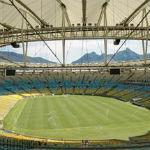
 Brazil. The control of the three thousand instruments that make up the monumental lighting system, 17 elevators, 12 escalators, 292 bathrooms, 60 bars and more than 500 energy meters and protection systems of the Mario Filho Stadium, better known as Maracanã, is carried out in one place, in the Control and Monitoring Room.
In addition to monitoring the stadium's energy consumption in real time, other sections of the complex are also managed in this control room, such as the areas of lighting, ventilation, air conditioners, generators, uninterruptible power supply (UPS), access controls, fire prevention systems, closed circuit television (CCTV) and hydraulic systems.
Following the international standards required by FIFA, Schneider Electric, the global specialist in energy management, has developed together with its partners an automation project with an intelligent grid that integrates systems that take into account more than 36 thousand different variables. "The Maracanã has joined the exclusive list of stadiums around the world with a technological architecture that allows real-time information to be handled and decision-making quickly and efficiently," said João Carro Aderaldo, Vice President of the Partner Division of Schneider Electric Brazil.
The lighting of the stadium is controlled with systems that use DMX and KNX protocols, which in addition to being integrated into the network allow pre-programming light combinations that include colors and the creation of different scenarios. It also processes error messages from monitoring systems in real time, displaying current values for each situation and alert messages when limits are exceeded, making stadium operation safer and more efficient.
Distributed around the stadium are more than 300 modern automation panels using open communication protocols. In addition to the easy integration of all systems and processes, it is possible to achieve energy savings of up to 36 percent. The stadium's water management system is also designed to control and reduce the volume used in the bathrooms. In order to prevent bad odors, the valves release water at longer intervals when the stadium is not in use. During matches the opposite happens.
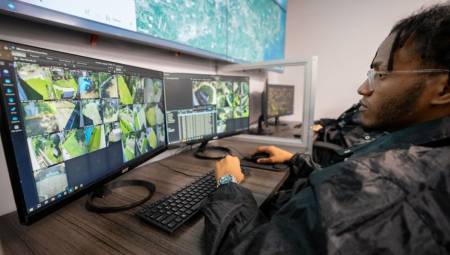
Maracana Stadium - Schneider ElectricSchneider Electric has also provided the stadium's security system, consisting of high-definition cameras and intelligent image monitoring and storage systems. The integrated monitoring system offers an interface capable of capturing video, making adjustments by area and controlling access. The image storage system does the heavy lifting: surveillance information is automatically analyzed and flagged, while also sending alarms to operators in case there is any suspicious activity. Through dynamic and real-time information, incidents can be identified and resolved quickly, creating a safer environment.
Schneider Electric is also responsible for providing all electrical distribution equipment, including medium-voltage input electrical power, transformers, armored trucks for distribution panels and tables, and the supply of various low-voltage areas.
The global reach of solutions provided by Schneider Electric brings better energy and operational efficiency to the management of the Marcaná stadium, and with greater importance, to the safety of its visitors. Once the equipment used is free of hazardous substances, the company will ensure LEED certification.
Schneider Electric has extensive experience in large infrastructure projects. The company's participation in sporting events began at the Winter Olympics in Grenoble (1968) and Albertville (1992), as well as the Olympic Games in Atlanta (1996). The French multinational is also responsible for the renovation of the Estádio da Luz in Portugal, where the final of the EuroCopa 2004 was played. The electrical system of the Stade de France, which hosted the opening and closing ceremonies of the 1998 FIFA World Cup, and in 2010 some of south Africa's stadiums were also equipped by Schneider Electric. In Brazil 2014, the company provides the products and solutions for the construction and renovation of other stadiums.