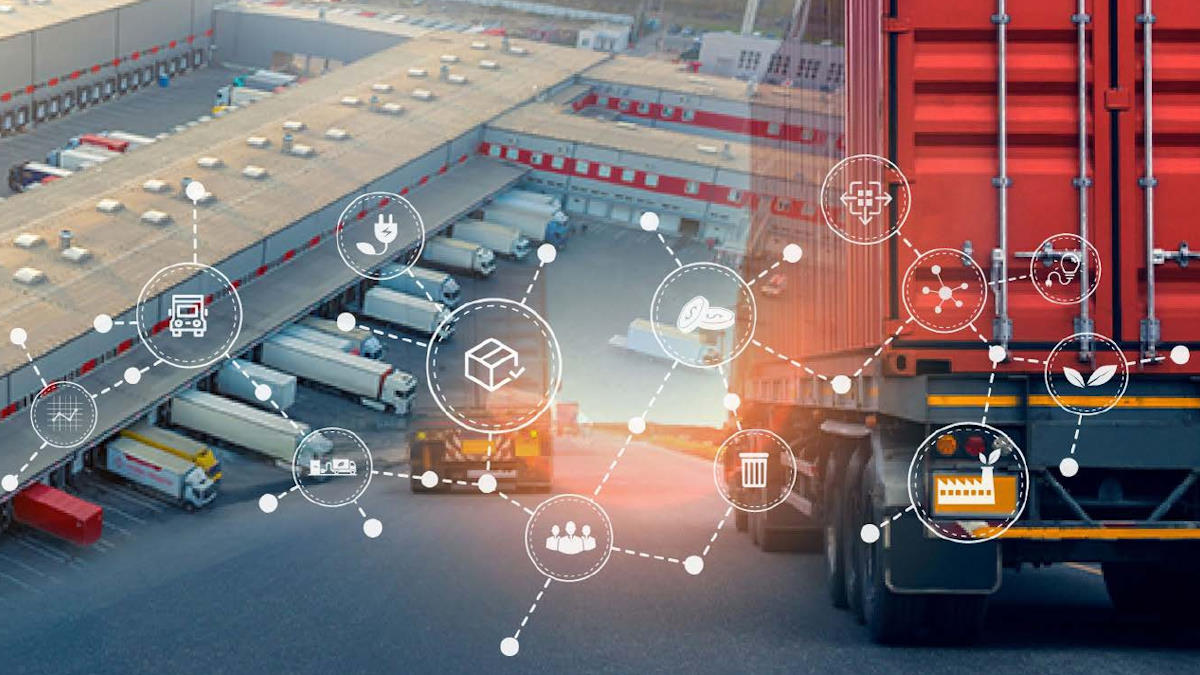
International. In today's e-commerce landscape, the ability to manage high-volume logistics operations effectively is more critical than ever, Hikvision said.
Supply chain disruptions, changing customer expectations, and rising costs are just a few of the challenges logistics managers face on a daily basis. To navigate these complexities, companies are increasingly turning to integrated technology solutions that can streamline processes, improve decision-making, automate tasks, and improve customer service levels.
Logistics Management Magazine and Hikvision have jointly published a new white paper to explore the transformative power of open and collaborative systems in logistics. The paper shares insights into how integrated technology ecosystems can help organizations break down data silos, improve end-to-end visibility, and achieve significant operational efficiencies.
Disparate systems lead to inefficiencies
In the modern logistics landscape, traditional on-premises systems often struggle to communicate with each other, leading to data silos, manual interventions, and poor visibility across the organization. These issues are particularly pronounced in e-commerce, where accurate and timely information has become more important than ever for logistics and supply chain operations.
Integration is the solution
To address these and other challenges, smart organizations are using more integrated solutions that eliminate silos. By connecting different systems, such as enterprise resource planning (ERP), warehouse management systems (WMS), transportation management systems (TMS), yard management systems (YMS), and video management systems (VMS), companies can achieve a unified view of their end-to-end supply chain
extreme.
Real-world applications
The report provides practical examples of how integrated logistics solutions have helped e-commerce and high-volume logistics parks. For example, integrated parcel tracking solutions have allowed warehouses to determine liability for damage and lost items, reducing the cost of compensation. Yard management systems, integrated with transportation management platforms, use AI to recognize license plates and container numbers, ensuring the orderly movement of vehicles at the gate, loading dock, and yard.
To learn more about how open and collaborative systems help organizations adapt to the ever-evolving logistics landscape,
Ensuring a competitive advantage in today's fast-paced market, download the full white paper here.