
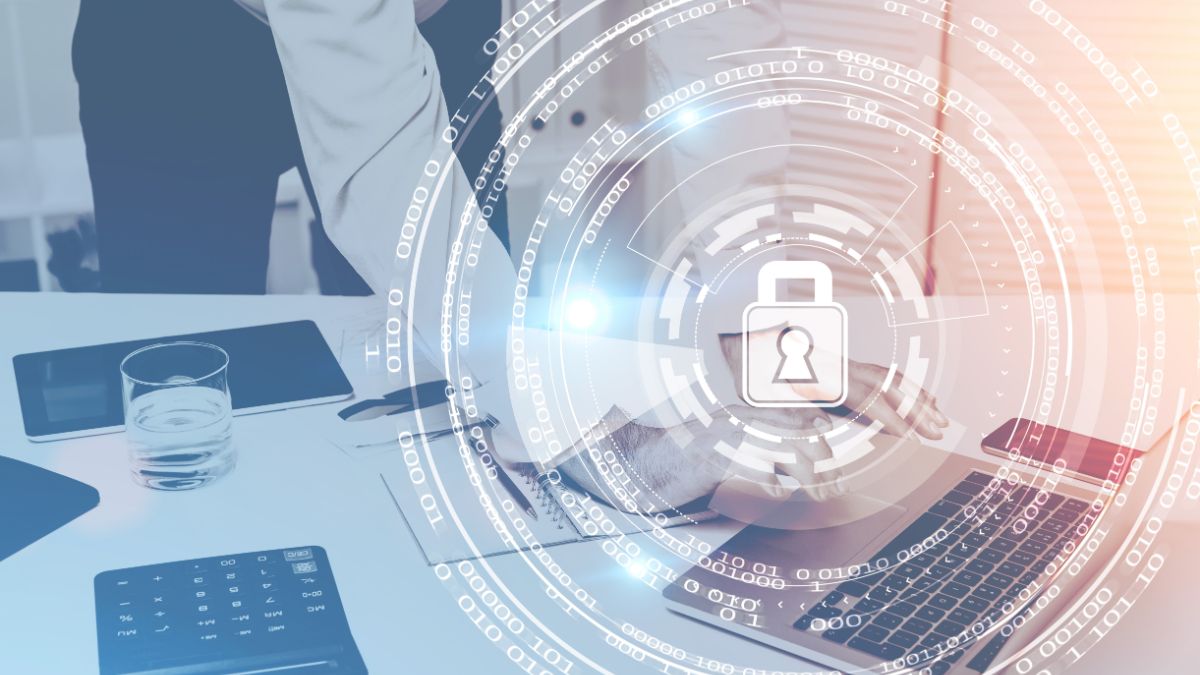
Latin America. Ahead of International Computer Security Day, which is celebrated every November 30, Akamai Technologies said it recognizes the business sector in Latin America for the security measures it undertakes to continue safeguarding its critical systems.
However, the firm has called for not lowering our guard and strengthening cybersecurity strategies since it is one of the preferred regions for cybercrime groups. According to data from the firm Statista, the cybersecurity market in Latin America was valued at 8,340 million dollars in 2023. It is estimated that between 2023 and 2028, the market as a whole will grow at a compound annual rate of around 6.95 percent, exceeding $11 billion by 2028.
 Jairo Parra, cybersecurity expert for Akamai Latin America, highlighted that cyberattacks against the business sector are becoming more frequent, selective and complex. Malicious actors use more varied techniques, mixing different types of attacks into coordinated campaigns. These multidimensional attacks
have a higher chance of success against companies with limited IT resources and solutions focused on a single type of security against cyber threats.
In addition, hackers can combine bandwidth-consuming DDoS techniques with SQL injection and other attack vectors, thereby using a noisy DDoS campaign to cover their true target of data theft or financial theft. According to the Inter-American Development Bank (IDB), only seven of the 32 Latin American countries have plans to protect their critical infrastructure from cyberattacks, and only 20 have Cyber Security Incident Response Teams (CSIRTs).
The current level of cyber preparedness in the region suggests that there is a notable deficit that needs to be addressed. The annual cost of cyberattacks in Latin America and the Caribbean could exceed $90 million by 2025, with an average of more than 18.5 million attacks per year.
Additionally, Jairo Parra reported that most of the spending has been concentrated on security services, infrastructure protection and network security equipment. It is expected that spending on security services worldwide could reach almost 90,000 million dollars by 2024.
In the midst of this growing need to address cybersecurity, the Akamai expert detailed the six urgent points that companies must address to protect their security.
- Educate and raise awareness. It is critical to educate and raise awareness among employees about ever-evolving cyber threats. Many of the most damaging breaches are caused by employee error. Cybersecurity programs should take every possible measure to prevent employees from being
victims of phishing campaigns or accidentally do something that allows malicious files or malware to be downloaded. - Secure access. As the traditional network perimeter disappears, cybersecurity solutions must enable secure access to business applications while protecting end users from advanced threats. Ignoring this aspect can lead to serious consequences, including data breaches that compromise not only the security of the company, but also the trust of customers.
- Protecting Web sites and applications. When websites are essential assets to the organization, effective attacks can cripple operations, reduce revenue, and cause reputational damage. Protecting your site and web applications from denial-of-service attacks, bot attacks, injections, and other cyberattacks is critical.
- Securing APIs. APIs are essential for business communication, collaboration, and agility. As their usage grows, attackers are increasingly targeting APIs. These must be protected just like Web applications, but they require different types of defenses.
- Total security. Protect your workforce with Zero Trust Network Access, including multi-factor authentication (MFA), to prevent account takeover, micro-segmentation to minimize impact, and a secure web gateway to prevent data exfiltration.
- Security audits and penetration tests. It is essential to ensure the overall security of a system or network. Comprehensive audits allow you to identify potential vulnerabilities and weaknesses and address them proactively. Penetration testing involves simulating real attacks to test
the effectiveness of existing security measures.
Finally, Jairo Parra stressed that companies can significantly improve their cybersecurity posture and thus protect their most valuable assets: information and reputation: "Cybersecurity is the key to survival in today's business environment and the foundation for a more secure digital future," concluded the Akamai expert.