International. Adrianus Warmenhoven, cybersecurity specialist at NordVPN, highlights the rise of AI-powered scams, while banks warn us that a full-blown epidemic of these types of scams is about to be unleashed.
"As Artificial Intelligence continues to advance at an alarming rate, it is becoming more and more common for criminals to try to leverage it to their advantage. Now, banks are warning us that it could be the cause of an epidemic of scams. The  most important thing people can take is to make sure they keep their financial information under lock and key. Our own research has found that less than a quarter of people use biometric data – such as FaceID or fingerprint scanning – in combination with their passwords. For the rest of the users, their only line of defense against criminals is a simple password. If that's the case for you, make sure it's a unique key, and consider using facial recognition or two-factor authentication as an extra layer of security," Warmenhoven says.
'Deepfake' technology
Deepfake technology is one of the latest techniques with which criminals can harness the power of AI to develop more convincing scams. We're talking about computer-generated imitations designed to mimic the look and sound of well-known people or famous people.
Last year, the image of personal finance specialist Martin Lewis was used in a deepfake scam. The cyberattackers tried to convince victims to share their bank details and invest in fake companies, with the aim of stealing the money intended for these alleged investments.
Only 12% of people believe they can recognize a deepfake image with certainty. When watching videos on the internet or on television, we should pay special attention to possible unusual movements and facial expressions, blurred images, or slightly robotic voices that do not speak Spanish fluently.
Voice cloning
Voice cloning is another scary use of AI, and it can make the victim fall for the scam much more easily. For example, you may receive a fraudulent call asking you to say something strangely specific. Hackers can record that voice, analyze it, and clone it with AI software that can be obtained online for very little money.
The cloned voice is then used in a targeted attack against the victim's friends or family. For example, a parent might receive a call from someone who cloned their child's voice to ask for money or financial information.
If you receive a call and suspect it may be a scam, or if you don't hear anyone on the other end of the line, you should hang up the call immediately. You can also search for the number online to see if other people have reported it as spam.
Phishing
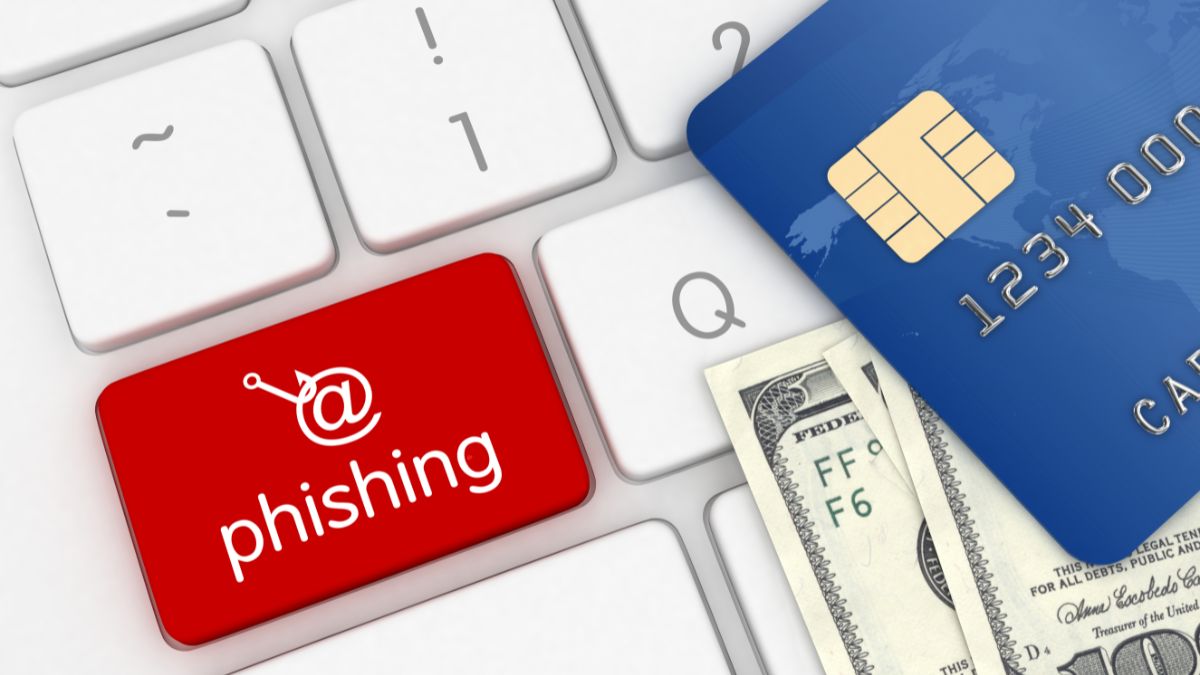
Another scam regularly employed by fraudsters is phishing emails or text messages, mostly impersonating your bank. These deceptive messages induce people to share confidential information – such as passwords or personal data – under different pretexts, such as supposedly urgent security problems.
AI-powered chatbots like ChatGPT are making it easier than ever for criminals to craft credible phishing emails to fool unsuspecting users.
To protect yourself from phishing scams, be sure to check the sender's address or number, as well as the content of the email or text message. Check for any spelling or grammatical errors that don't sound natural. And it's also important that you don't click on the links in suspicious messages.
Use a credit card (if you have one)
Making large purchases online can also be distressing for consumers, especially if we make them on an unfamiliar website. Use a credit card for added peace of mind, because these cards offer an extra layer of protection that could help you get your money back if you fall victim to a scam.
When a criminal has access to your financial information, the results can be devastating. Mexico ranks fourth in the world in terms of the rate of bank card leakage in fraud networks that circulate on the dark web, according to a study carried out last year.