International. The behavior of the logistics sector is also critical within the supply chain in general, and container logistics specialist Maerks discusses this issue of global uncertainty, delving into the "whip effect" in the supply chain and ways to minimize or overcome some of the uncertainties.
Market news
Maerks says retailers are overloaded with inventory, with a 40% increase in catalog over last year. Demand has been slowly recovering, especially for products such as groceries, beauty and cosmetics, household staples, and seasonal categories such as summer and back-to-school.
However, warehouses are saturated, and as new products arrive, retailers need to devise strategies to get rid of surpluses, which, in turn, has a negative impact on their margins. The most recognizable U.S. retailers have already announced that profits will take a hit in the near term as they try to keep their inventory levels in line with market demand.
According to GS1 Mexico, in the country the shortage of goods in the retail sector reached 3.5% in the first half of 2022 and adds losses of 6,600 million pesos. The main causes of the shortage are the product that stays in the cellar (1.27%); insufficient stock (0.78%); there is no local refill order (0.58%) and the merchandise is not cataloged (0.34%).
As normalcy recovers, so do social life and services to the detriment of housing and home office products. Spending at restaurants and bars rose nearly 20% in March, according to the U.S. Commerce Department, reaching a record $8.6 trillion.
In Mexico, consumption related to tourism and travel continues to recover, with an occupancy of more than 100% compared to 2019 in a beach destination, and almost 90% in city destinations; this, according to estimates of the Employers' Confederation of the Mexican Republic (Coparmex).
Whip effect
In recent years the world has seen that adaptability is crucial and the supply chain is no exception. Sellers have witnessed changes in demand, increases in inventory, changes in shopper habits; all this disproportionately and making the supply chain a resilient world. That is now called the whip effect and is more common in the logistics industry, causing large delays.
The logistics sector has tried to respond to demand disruptions and companies have faced revenue losses from out-of-stock items and reduced margins from discounts on overstocked items.
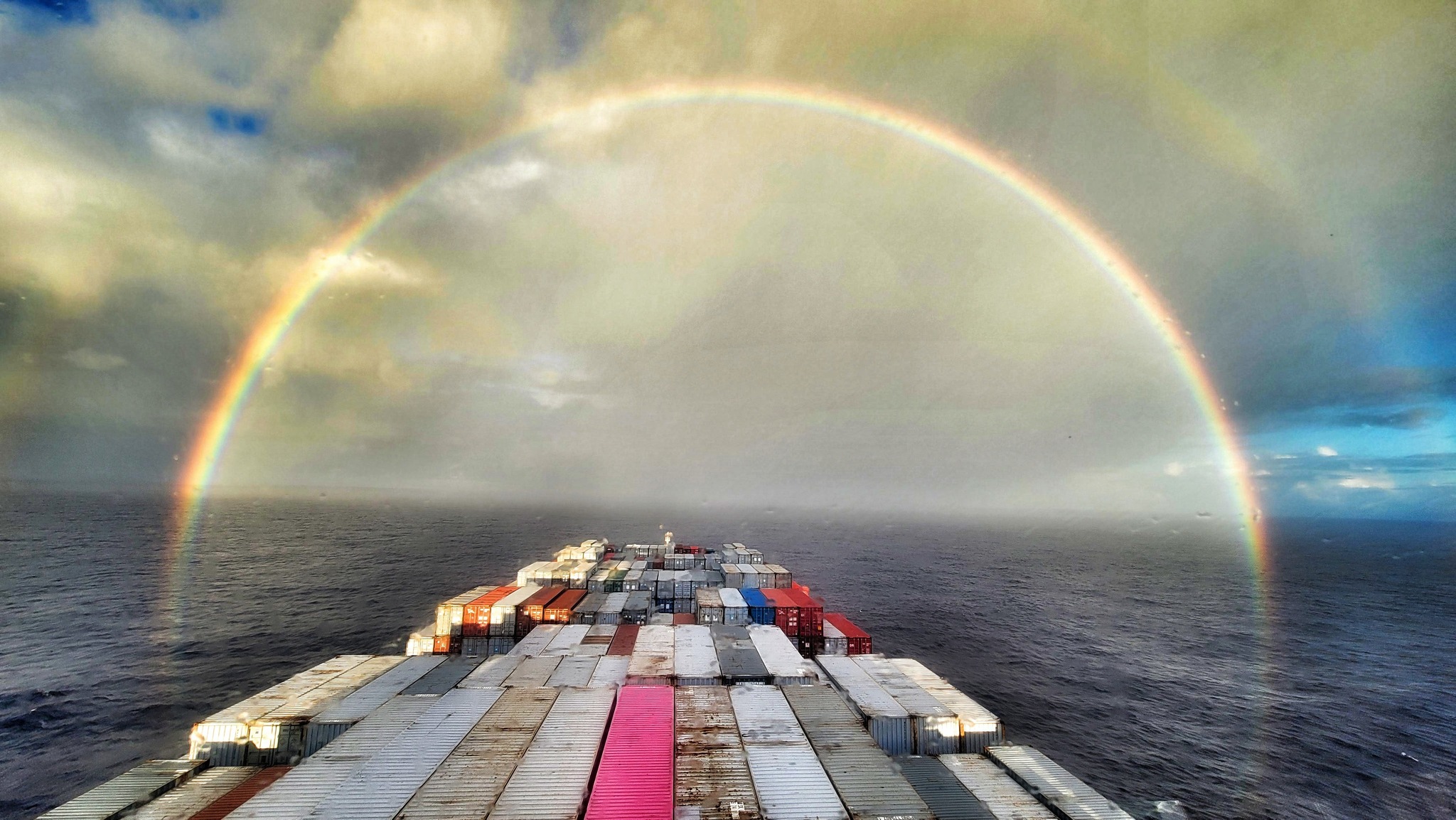
The whip effect comes from the sudden spikes and falls in demand. Many stakeholders are involved in the supply chain, which opens up opportunities for irregular reactions to sudden changes in demand. Inefficiencies, lack of communication, and delays between multiple parties cause these disruptions, leading to more reactions when trying to stabilize the supply chain.
Port suspensions and factory closures have caused retailers to advance their purchases to have enough inventory. Some of this inventory is still accumulated in warehouses.
Some alternatives to minimize the whip effect
Investigate and learn why changes in demand occur and their context.
Minimize complexity in the supply chain through better communication that allows fluid and continuous responses.
Understand and improve inventory visibility.
Decrease lead times: Automation and localization are two key solutions for getting inventory flowing into warehouses.
These actions will not eliminate the whip effect, but they minimize it. It is impossible to predict a change in customer behavior and its impact on the market. The motivation is to try to make warehouses as efficient, agile and profitable as possible.