
 International. In 2017, nearly 23 percent of residential intrusion alarm systems were sold globally with some form of video verification, including professionally installed systems, DIY connected systems (do-it-yourself), and multiple system operator (MSO) systems. This penetration is projected to increase to nearly 32 percent by 2022.
In 2017, passive infrared (PIR) cameras were sold worldwide and market revenue is projected to increase to US$64 million by 2022.
Analysis
False alarms are a major problem affecting the remote monitoring services and intrusion alarm industry. Between 90 percent and 95 percent of alarms reported to central monitoring stations turn out to be false. These false reports cost service providers as they must send a response team to check each and every alarm. It also reduces local police resources unnecessarily and could even increase the financial burden on end users, depending on local alarm response regulations and potential fines.
Video verification solves these issues, offering indisputable remote confirmation of the nature of the alarm in the shortest possible time, helping to speed up the operator's response process. Video images can be transferred in real time to the operator, so they can be evaluated almost immediately, and thus a response team or police forces can be sent with a much shorter delay.
The Role of DIY, Smart Homes and Consumer Video
The popularity of video verification solutions is driven by the influence of the DIY security market, the smart home market, and the consumer video market, as follows:
DIY: Consumer video cameras are typically high-resolution Internet Protocol (IP) cameras and allow users to check their home and review images of past events at their convenience. All this can be done through a mobile phone application dedicated to alarm against intruders, which adds to the peace of mind.
Smart Home: Smart home/building automation systems are becoming increasingly popular among end users in all sectors. Cameras are typically advertised alongside smart plugs or smart lights, giving users an extra level of control over what's going on in the house. Some cameras also offer smoke detection features to support traditional smoke detectors, while providing self-monitoring surveillance and verification to users. Since alarm monitoring stations offer more and more smart home monitoring services, the video verification market will get a boost from this side of the industry.
Consumer Video: The number of consumer video devices available on the market is growing rapidly, providing a much wider variety of solutions at different prices. End users can add an IP camera to their home systems and enjoy low-cost self-monitoring and self-verification functionality.
Benefits for installers, distributors and remote monitoring stations.
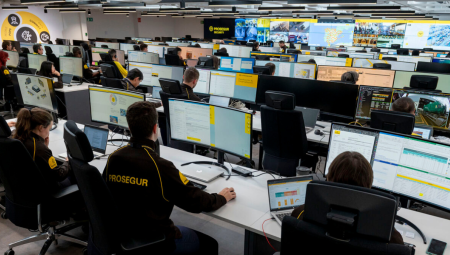
Many central monitoring stations now offer video verification for an additional fee added to their basic monitoring services. Adding video verification to the monitoring package reduces the likelihood that the subscriber will cancel their contract or choose another provider that offers more comprehensive services.
Video verification can also benefit installers and distributors who want to offer a wider range of services to their customers. Cloud hosting and support for video self-control offer greater value for end users. Installers may also find themselves closer to their customers than some remote monitoring companies, which makes it easier to increase customer awareness of new offerings. In any case, partnerships between installers and remote monitoring stations can increase revenue per user and provide a more stable annual income. Subscriptions generated by installers could offset the normal wear and tear rates experienced by remote monitoring companies.
Barriers to broad adoption
The main barriers to wide adoption of video verification are as follows:
Cost: Although the benefits of including video verification with intrusion alarm systems are clear, many end users, particularly those in the residential sector, may struggle to purchase video devices. Passive infrared (PIR) detectors can be three times more expensive than non-video-based PIR detectors.
Privacy and cybersecurity: Residential users' concern about the privacy of video verification and video cameras is high. The main concern is that a hacker will use the device to observe and listen to the private lives of residents. There have been reports in the media of attackers who have successfully compromised consumers' IP video cameras, and these types of reports can delay the decision to buy these types of devices.
Another concern is that alarm monitoring operators could be keeping an eye on residents in their homes, outside of authorized hours. Video verification solution providers should ensure that their systems are designed with privacy protections built into the system settings, giving the user the ability to restrict access to video devices, whenever they wish.
Self-control: The increased availability of consumer video devices and DIY security systems that incorporate video products into the offering, have led to the emergence of self-control and video verification. These systems usually come preconfigured to handle video files, which makes adding a consumer video camera much easier and reduces adoption barriers related to the complexity of system setup.
* Article by Anna Sliwon, Security Analyst at IHS Markit.