 International. Axis communications celebrated the 25th anniversary of the world's first IP camera last week, the brainchild of Martin Gren, co-founder of Axis, and Carl-Axel Alm, the brand's engineer.
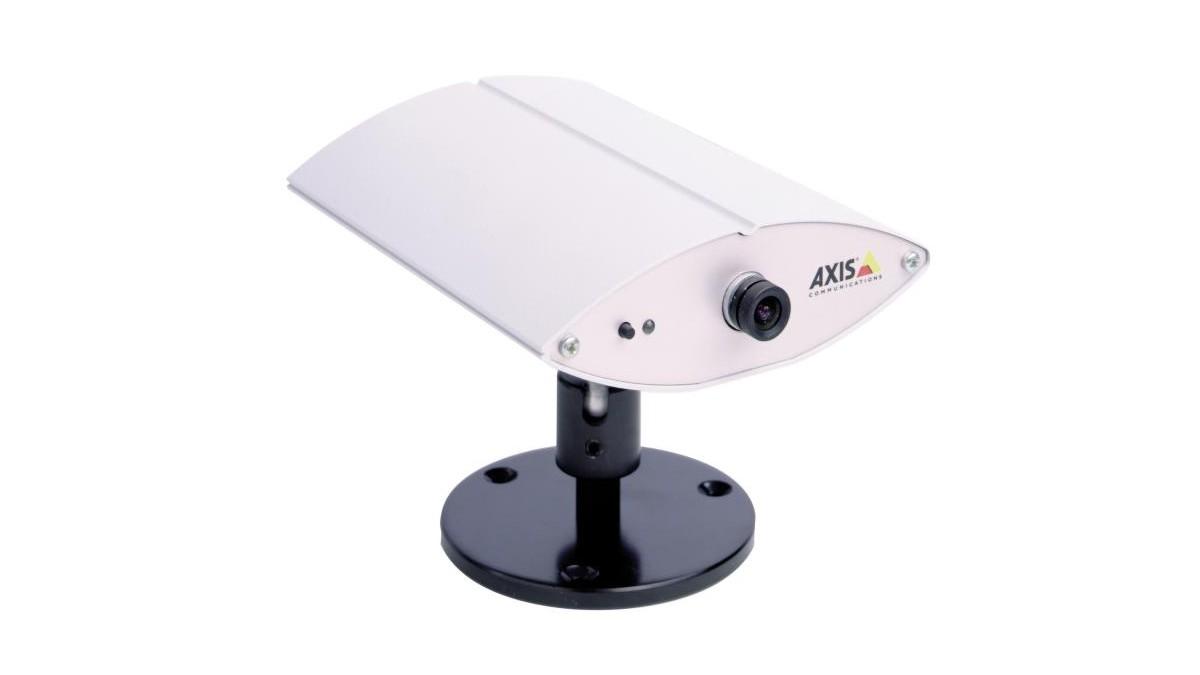
On September 17, 1996 in Atlanta, just after the Olympic Games, the result of so much work was released: the first network camera in history was presented: the "NetEye", the AXIS 200 network camera.
But who was the first customer? "We had an indirect business model, but we still received technical support calls and leads from end users. The first call we received was from none other than Steve Wozniak, one of the two founders of Apple. It turned out that I had a good AXIS 200 roster," Martin explains.
Sensations and revealing moments
Many great inventions aimed at breaking molds clash at first with misunderstanding, and the first network camera was no exception. "There were two moments that helped me realize that we had something big on our hands. The first was when we visited the IFSECI fair in England during the spring of 1996, before the launch of AXIS 200. There we saw that everything was analog. There were two options: either the sector continued with the analog path or we were facing something really important. The second moment was at the same fair in 1998 when we presented the camera and saw clearly that people undervalued us. They thought we had made a mistake at the fair and that we were producing low-cost webcams."
Subsequently, Axis began to close more and more deals, which was an injection of confidence for the team. In this context, the company decided to invest in the development of the first chip in the sector designed specifically for network cameras, the ARTPEC-1 chip, which stands for Axis Real Time Picture Encoding Chip. The name was coined by one of axis' marketing department employees in Boston.
The story behind the first design
The unique design of the camera was another reason why the camera attracted so many eyes, since it did not have rectangular lines, like all cameras of that time. This peculiar design had side effects. "Their lines were fantastic and catastrophic at the same time. They were fantastic because they catapulted us to the cover of many computer magazines, being so different. And they were catastrophic, because it took us horrors to find a case that would fit the camera," says Carl-Axel.
"We had a funny anecdote when the camera was already on the market," Martin explains. One of the help desk technicians, Kettil, received a call from a customer who had installed AXIS 200 on a ski slope and the camera was not working. At the time, we were having trouble finding a case that would fit the camera, as Carl-Axel has said. Kettil asked the customer what temperature they had, and the customer told him they were at -22 °C. Kettil then wanted to know what kind of casing he used, to which the customer replied: 'Casing? Which housing?' 'Well... you have to use a housing if you're going to put the camera outside...'"
Listening to the words of the two inventors, their passion for what they do is clear. "I've been at Axis for over 25 years and I've seen the birth of thermal cameras, modular cameras and radar. I'm still a development engineer, because I don't stop having that crackpot inventor streak. Developing new and interesting things is what motivates me. Things that can be sold on a large scale. I don't like to develop products just on a whim, but good solutions that customers appreciate," reflects Carl-Axel with a smile on his mouth.