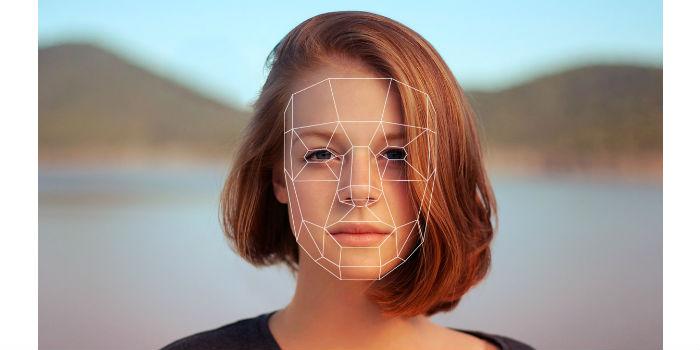
 International. Hanwha Techwin, in partnership with CyberExtruder, developed the integration of IP video cameras with 3D facial recognition software: the Aureus 3D. This, from the size of the face of the template of only 128 bytes, demonstrates the ability to match faces at a speed of 25 million instructions per second, which allows the user to experience from his device a unique experience.
"CyberExtruder, like no other facial recognition application in the industry, offers the flexibility to connect and configure a wide variety of Hanwha cameras. Coupled with the best of three-dimensional biometrics of its kind, it becomes an offering like no other," said CyberExtruder President and CEO Paul E. Nicholas.
For Paul E. Nicholas, Hanwha places a lot of value on CyberExtruder through its strong ecosystem of partners, which seeks to be enriched through a product of highly scalable architecture and open by design.
According to Nicholas, unlike most facial recognition solutions on the market, which require intensive use of a graphics processing unit (GPU) to run it, CyberExtruder's application is very lightweight and can work on most commercial servers.
Extension of the partnership
"We are looking to expand our partnership with Hanwha to perform facial recognition on the edge," said CyberExtruder's president and CEO, referring to the technology partnership formed with Hanwha in September 2018.
This emerged as a product of the observation of Wisenet's chipset, recognized for its power to generate faster processing, in which CyberExtruder found great value in running the company's applications on cameras in the future.
For Alex Pazos, director of Business Development of the company, the above aligns with that approach of a complete solution and go much more hand in hand with strategic video surveillance partners.
Currently, both companies carry out joint projects in countries such as Peru, Colombia, Mexico and Ecuador. There they have impacted from the financial sector, made up of different banks, to airports, casinos, universities and the surveillance in general of cities.