 Latin America. Independent of the industry, piracy and counterfeiting of brands is a problem that generates loss of sales, bad customer experience and in general, a detriment to companies.
According to the study "Counterfeiting and Piracy 2017" conducted by the International Trademark Association (INTA) published last year, international trade in counterfeit and pirated goods is estimated to reach $991 trillion by 2022.
Protecting major brands against counterfeiting and black market activities is a global challenge; HID Global decided to increase its investments in IoT-based brand protection services and expand the community of partners that develop and deliver agile interaction experiences between users and brands.
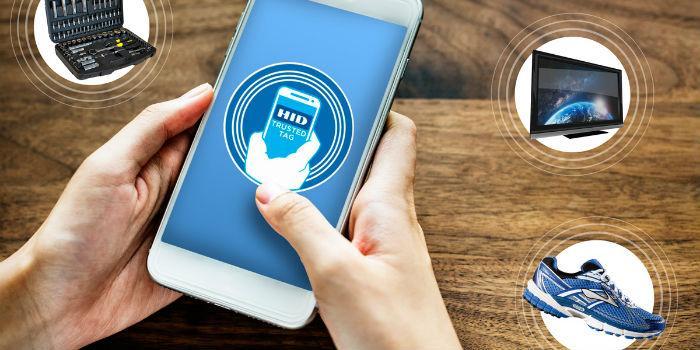
These types of initiatives provide peace of mind to both manufacturers, who seek to protect their brands, and consumers, who want to verify the authenticity of their purchases in a reliable IoT environment. HID's Trusted Tag® services make this possible by reliably authenticating products from the very moment of production, throughout each stage of the distribution process, and at the consumer point of sale, all with a simple tap of an Android or iOS phone.
"As a pioneer in brand protection, HID can quickly leverage Apple's NFC (Near Field Communication) readable features to drive mass adoption and help the average consumer avoid being fooled by counterfeit products," said Mark Robinton, director of business development and strategic innovation at HID Global. "Our solution goes beyond making the global supply chain reliable; it also opens up a secure channel for brands to interact directly with consumers as part of their loyalty strategy."
Brands around the world are already starting to use the technology
Because of the above, companies around the world have begun to adopt this technology to deal with this crime. In the United States, for example, Blue Bite launched an authentication package that uses HID's Trusted Tag Services for major European brands, in partnership with Italian company Temera.
"Brands are embracing authentication of their products to help protect against the negative effects of counterfeiting," said Mikhail Damiani, CEO of Blue Bite. "We have developed a highly secure and scalable authentication solution that uses NFC technology to help both brands and customers cope with a problem that is growing every day."
In Canada, Authentic or Not is working with HID to deliver a secure brand authentication experience to leading brands.
Ahmer Beg, founder and CEO of Authentic or Not, added: "With our proprietary technology, we are in the business of bringing intelligence into products and unlocking real-world interaction with consumers. HID's Trusted Tag Services bridges the gap between products and the digital world to make this possible. We envision a future where counterfeit products can be easily eradicated and brands can provide customers with high-quality experiences through our platform."
According to INTA, brands generate about 40% of the Gross Domestic Product (GDP) of the United States, as in the countries of the European Union. In Latin America, brands account for 20% of GDP.
What is the process like?
Trusted Tag Services combine HID's cloud authentication services with their NFC tags, which come in many presentations for a wide variety of product shapes and sizes that require brand authentication. HID NFC tags are inserted into each product during the manufacturing process and easily read with NFC-powered smartphones (both Android and iOS v11 and newer). The advanced cryptographic capabilities of embedded tags make it impossible to clone or copy them, while the extended security features of HID's cloud authentication service enable brand authentication that preserves privacy as well as consumer interaction in a closed and trusted environment.