 Latin America. On the first of May of this year, the Free Trade Agreement of the Pacific Alliance (PA) will enter into force, which will benefit 92% of the national exportable supply with tariff preferences, said the head of the Ministry of Foreign Trade and Tourism of Peru, Magali Silva.
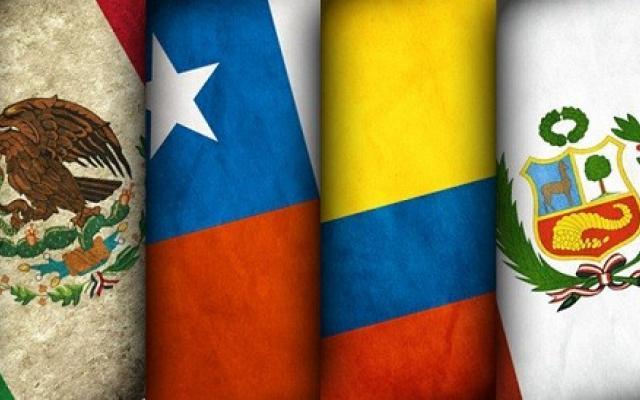
He explained that this is an additional protocol to the framework agreement that has been negotiated with the aim of establishing clear rules and the mutual benefit of the PA member countries (Mexico, Colombia, Chile and Peru).
"The objective is to stimulate the expansion of the economies that are part of this bloc and the diversification of trade in goods and services, in this expanded market," he said.
Silva said that the PA seeks to promote small and medium-sized enterprises (SMEs) from all its chapters, in particular the Chapter on Trade Facilitation and Customs Cooperation that includes the main multilateral commitments, such as Advance Rulings, The Clearance of Goods, Authorized Economic Operator and Single Window.
It should be noted that these last two issues have been working - through two specialized technical groups - to achieve a Mutual Recognition Agreement between the national programs of Authorized Economic Operators and to implement the interoperability system between Foreign Trade Windows of the Pacific Alliance.
Currently, based on the expectation that the PA has generated, there are already 42 Observer States. Likewise, it has been linked to different forums or integration schemes, such as: ANSEA, APEC, European Union and Mercosur and has the support of international organizations such as: the IDB, CAF, OECD and ECLAC.