12 years ago, the term phishing was introduced in the world due to the actions of some crackers who tried to obtain the data of the accounts of the users posing as AOL employees, requesting passwords or billing information. Because of this, the company added to its instant messaging system a line that warned users that no AOL worker would ask for this data. Currently, phishing is a well-known term in the world, especially since 2002 when attacks increased considerably.
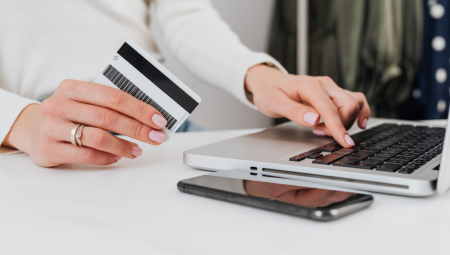
These messages are sent through servers distributed around the world, so that it is difficult to find the source and who sends them; additionally, many of these emails are sent by spammers, who handle large numbers of zombie computers for this purpose. Likewise , hackers have changed their actions and no longer care about recognition but about getting money or credit card numbers that they can market on the black market.
Another means to carry out attacks are worms, which contaminate home computers managing to have a network of both that can be rented and in this way the phishers send their attacks and capture the necessary information and then change networks.
According to Kaspersky Labs' 2007 report, malware is another threat that is used to make money, in addition to denial-of-service (DDoS) attacks against websites, and viruses that spread through blogs, RSS headlines, web 2.0, email, instant messaging and bank information is stolen by means of Trojan horses.
These threats are also moving to other equipment such as mobile devices such as USB, digital cameras, and those with wireless and Bluetooth capabilities, which the more sophisticated they are, the more they make it possible to reproduce these problems.
Many cyber attacks are appearing in the world, for example in December 2007 there was a phishing threat that modified the DNS configuration of some models of ADSL routers that leads users to a fake website by entering the correct address of their bank in the browser.
Also, through Google Calendar, a false message was arriving that promises the collection of an inheritance using this service. The crackers attract attention with an undeniable offer, they ask the user to contact them and provide them with the bank details to make the transaction, thus achieving access to the Internet user's account and stealing their money.
Messenger name and password thefts have also been featured on web pages such as quienteadmite.com and noadmitido.com where MSN users inquire who has blocked them from their contact list.