
Recommendations and analysis on the types of existing CO (carbon monoxide) alarms and their main characteristics.
by Jaime A. Moncada, P.E.*
In the United States, according to the Center for Disease Control (CDC), more than 15,000 people are annually admitted to the hospital for non-fire exposure to Carbon Monoxide (CO), and approximately 500 people lose their lives to this type of poisoning.
The severity of CO poisoning is relative to its concentration in a victim's bloodstream. Symptoms can progress from a mild headache to nausea, dizziness, drowsiness, vomiting, collapse, and ultimately death as carboxyhemoglobin (COHb) levels rise in the bloodstream and displace oxygen. The level of COHb may increase slowly due to exposure to low concentrations of CO or more rapidly when there are higher concentrations of CO.
What level of CO is dangerous? According to the U.S. Consumer Product Safety Commission (US-CPSC), the health effects of CO depend on the concentration of CO and the duration of exposure, as well as the health condition of each individual. CO concentration is measured in parts per million (ppm). Most people will not experience any symptoms of prolonged exposure to CO levels of about 1 to 70 ppm, but some heart patients may experience an increase in chest pain.
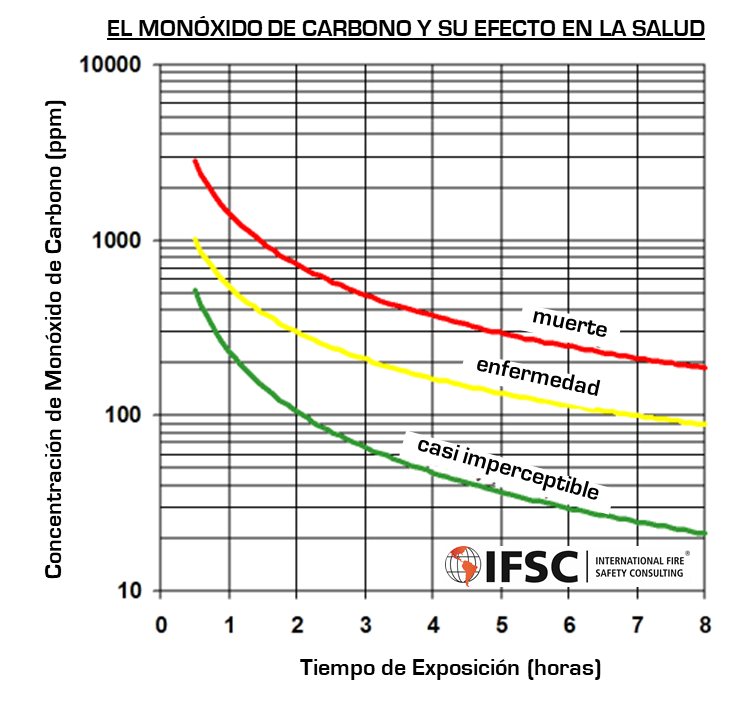
As CO levels rise and remain above 70 ppm, symptoms become more noticeable and can include headache, fatigue, and nausea. At sustained CONCENTRATIONS of CO above 150 to 200 ppm, disorientation, unconsciousness, and death are possible. According to the NFPA, concentrations of 3,200 ppm of CO per 30 minutes can lead to unconsciousness and 6,400 ppm of CO can cause death between 10 and 15 minutes.
The U.S. Environmental Protection Agency (US-EPA) estimates that average CO levels in homes without gas stoves range from 0.5 to 5 ppm. Levels near properly adjusted gas stoves are between 5 to 15 ppm and near poorly adjusted stoves can be 30 ppm or more.
CO alarms
Although they may look and sound similar, CO alarms and smoke alarms are designed and intended to detect two separate and distinct hazards. One detects possible carbon monoxide poisoning or poisoning. The other, the lethal products of fires. Both are now required in buildings by international regulations, such as the NFPA.
NFPA regulates CO detectors through NFPA 720, the standard for the Installation of Carbon Monoxide Detection and Reporting Equipment. Generally speaking, CO detectors are only required in new buildings. For about 10 years and gradually have been required in more occupations such as educational, nurseries, hospitals, nursing homes, hotels, residential apartments and homestays.
Although each of these occupations has somewhat different requirements, in general they must be installed at the entrance of a car garage, in rooms containing combustion equipment, where there are chimneys and under certain conditions, in heating systems.
In bedrooms that require it, the carbon monoxide detector should be placed near the bed, making sure that the alarm is strong enough to wake people up.
Because carbon monoxide is slightly lighter than air and also because it can be present within warm, rising air, CO detectors must be placed on a wall approximately 1.50 m above the floor, although the detector can be placed on the ceiling. However, the detector should not be placed right next to or over a chimney or flame-producing apparatus.
These should be installed more than 5 m from heating equipment or kitchens to avoid spurious alarms. The manufacturers of this equipment recommend that they not be installed in garages to avoid contamination.
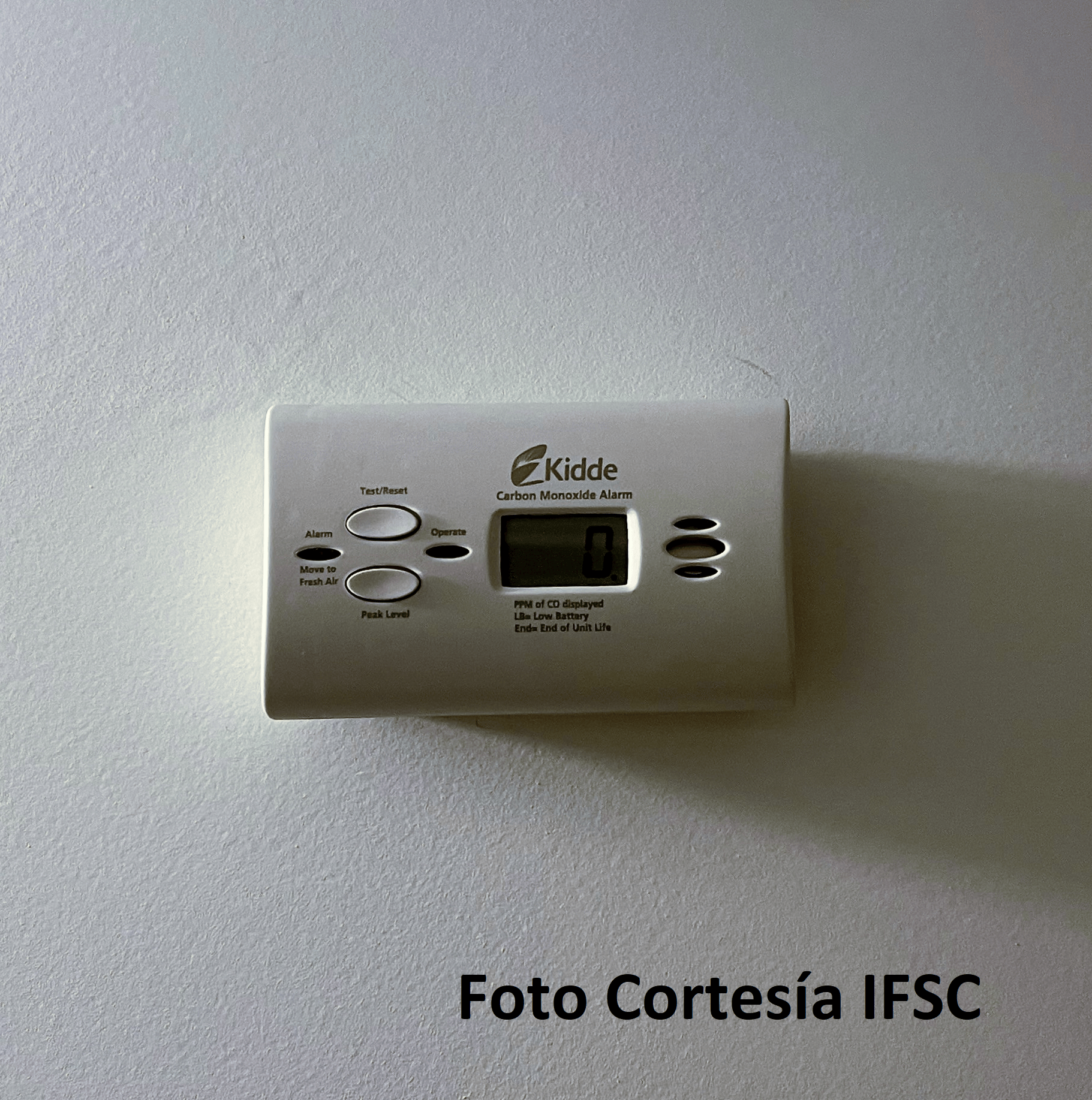
Audible alarm
CO detectors, when they reach their operating threshold, must intrinsically initiate an audible alarm signal consisting of a pattern called Temporal 4, consisting of four half-second tones, spaced and followed by a five-second period of silence that repeats for at least four minutes. After four minutes, the five-second silence period can increase to 60 seconds. The alarm signal is repeated until the alarm is reset or the alarm signal is manually muted.
List of CO alarms
CO alarms, in accordance with NFPA regulations, must be listed. For example, Underwriters Laboratories (UL) evaluates these units according to UL 2034, the Safety standard for Single and Multiple Station Carbon Monoxide Alarms. Listings are available for a variety of CO alarms and include a sensitivity test that is based on a 10% COHb level, which may be imperceptible or produce only a slight headache. Combined alarms that meet smoke alarm and CO alarm requirements are evaluated in accordance with UL 217 and UL 2034.
This equipment must be inspected semi-annually and tested annually. Its shelf life is from 5 to 10 years, or whatever the manufacturer indicates.
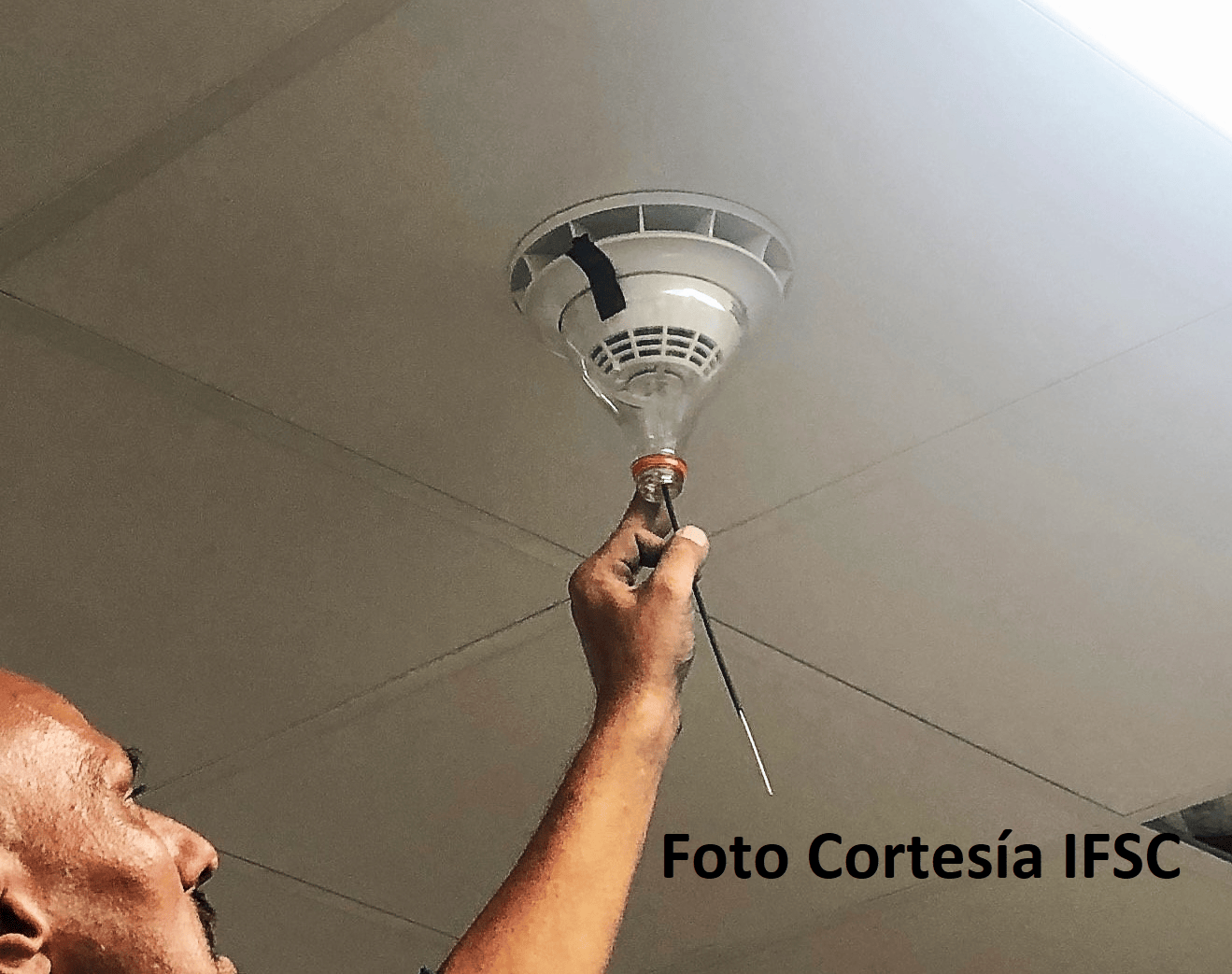
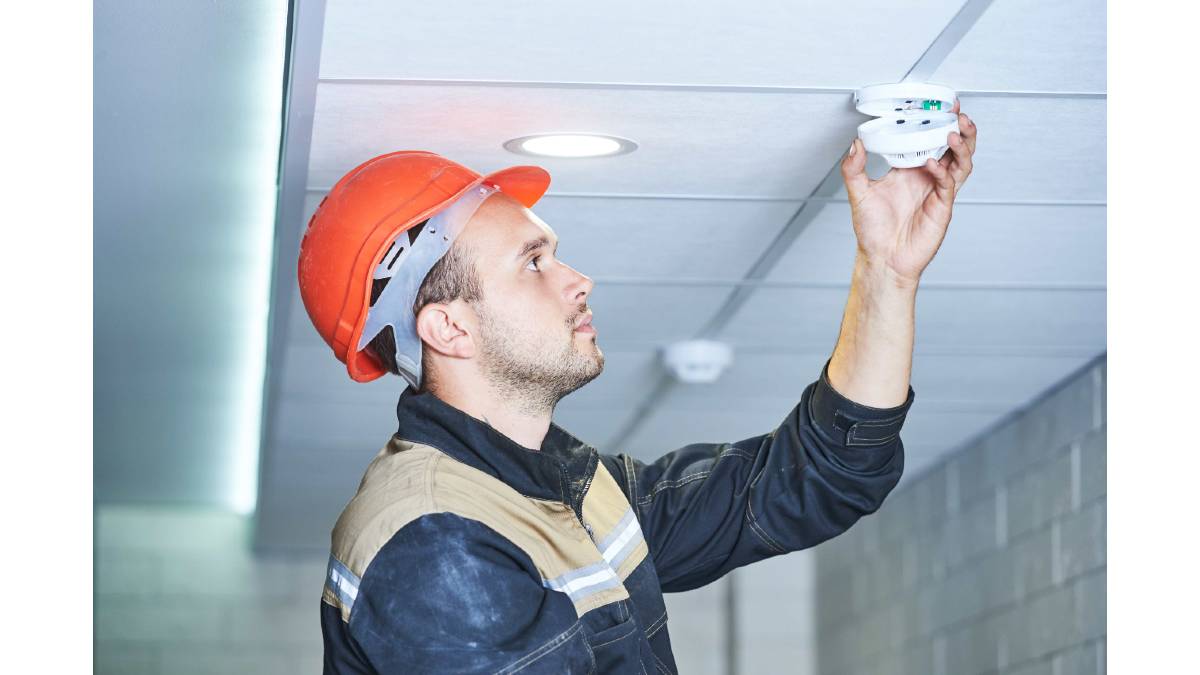
Testing a CO detector with incense (Photo courtesy of IFSC)
What to do when operating a CO alarm
If a CO alarm sounds, move immediately to a place with fresh air, outdoors or open a window or door. Call your local emergency services or fire department. Do not re-enter until emergency services have given permission. Also call a qualified technician who can examine and/or turn off fuel combustion appliances or other combustion sources. It is crucial that the source of the CO is determined and proper repairs are made.
 * Jaime A. Moncada, PE is a director of International Fire Safety Consulting (IFSC), a fire protection engineering consulting firm based in Washington, DC. and with offices in Latin America. He is a fire protection engineer graduated from the University of Maryland, co-editor of the NFPA Fire Protection Manual, Vice President of the Society of Fire Protection Engineers (SFPE). Moncada's email address is [email protected].